
REVIEW · CORK
Toe Head Clifftop Hike in West Cork
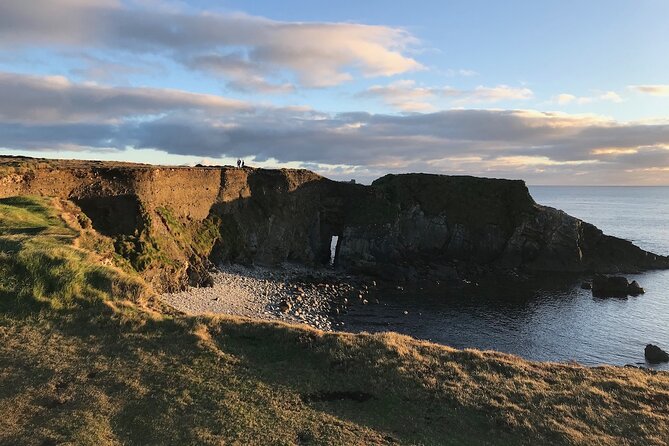
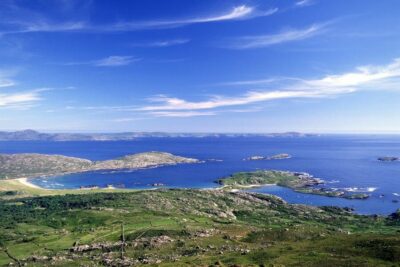
The West Cork coast has a knack for feeling private. This Toe Head clifftop hike in Cork brings you to lesser-seen stretches of the Wild Atlantic Way, with a max of 10 people and constant picture stops.
What I love most is the story-first guiding from Conor, who answers questions as you walk, not just at the start. I also like that you get a practical setup for a half-day outdoors: pack light, and you’ll have snacks and water along the way.
The route itself is made for real variety, not just scenic walking. You’ll pass an Iron Age promontory fort, a deserted famine village, and the Móin Rua heathland tied to wild orchids. One thing to keep in mind: you do need moderate fitness for a 7km hike, and the experience runs only in good weather.
In This Review
- Key points at a glance
- Toe Head Coast Guard Start: why this hike feels different
- The 7km route: easy pace, frequent photo and story stops
- Deserted famine village and Móin Rua heathland orchids
- Cnoc na nGabhar and the sense of place at every turn
- The EIRE sign and the Iron Age promontory fort
- Wild Atlantic Way secret trails and the WWI-linked Tráigh Liceach finish
- What the guide role looks like in real life (Conor’s impact)
- Price and value: $60.07 for a small-group, story-heavy half-day
- Packing and comfort tips for Toe Head clifftop weather
- Should you book the Toe Head Clifftop Hike in West Cork?
- FAQ
- What is the duration of the Toe Head Clifftop Hike?
- How long is the hike?
- How many people are in the group?
- Where does the hike start and end?
- What time does the tour start?
- Does the tour provide food or drinks?
- What language is the tour offered in?
- What fitness level do I need?
- What is the weather policy?
- Are service animals allowed?
Key points at a glance
- Small group (10 max) keeps the pace friendly and the storytelling personal
- Easy, fun pace with short stops for photos and local history
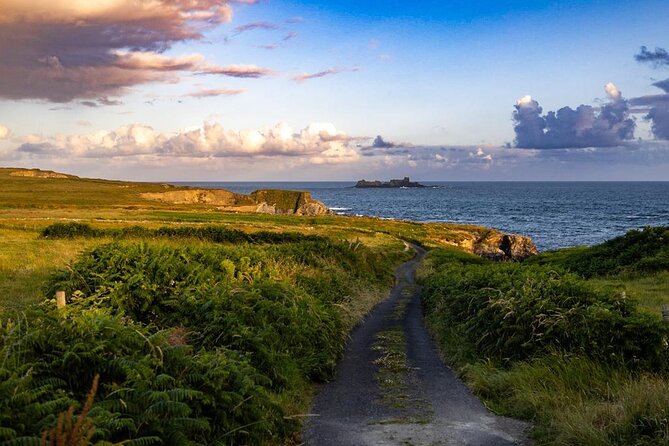
- Wild Atlantic Way shortcuts into quieter coastal trails beyond the usual pull-offs
- Móin Rua heathland and its wild-orchid reputation during the hike season
- Tráigh Liceach finale on a beach that ties together famine-era memory and WWI submarine activity
Further west along the Cork coast
- Cobh (Cork) to Blarney Castle & Kinsale – Shore Excursion★ 5.0 · 504 reviews
- Clonakilty Distillery Tour & Classic Whiskey Tasting★ 5.0 · 110 reviews
- Kinsale Culinary Tour★ 5.0 · 95 reviews
- Electric Bike Tour of Kinsale with Expert Local Guide★ 5.0 · 67 reviews
Toe Head Coast Guard Start: why this hike feels different
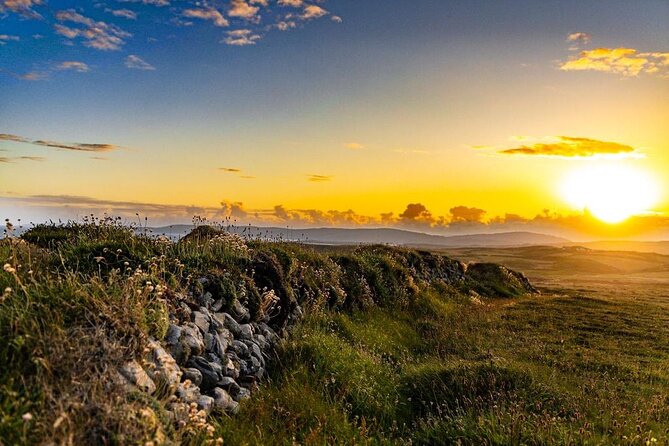
I like tours that have a point of view, and this one clearly does. You begin at the Toe Head Coast Guard Station area and head out along the clifftop edges that make West Cork so memorable. The guide keeps the group together, but you’re not shuffled. Instead, the walking becomes the framework for history, folklore, and practical photo breaks.
That small group size matters more than you might think. With up to 10 travelers, you get enough space to stop without feeling rushed, and you can actually hear the guide when the story turns detailed. It also helps you enjoy the coast’s quieter mood, since you’re not hiking in a big parade.
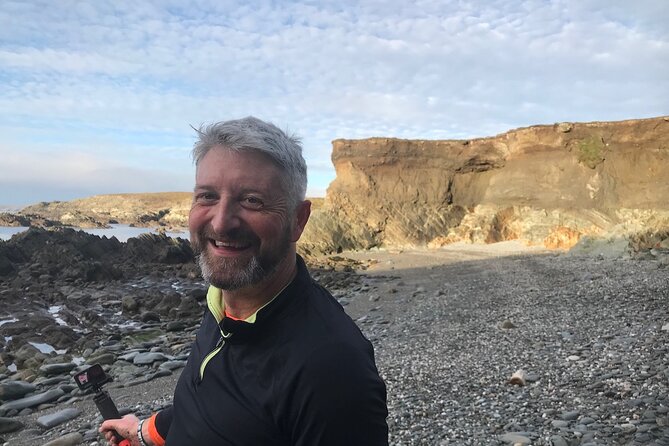
Conor’s style is the best part for many people, and it shows up in the wording of the experience itself: lots of short stops, lots of stories, and time to pause. You’ll likely ask questions on the fly, and the guide is set up to handle them during the walk, not just at the end.
The 7km route: easy pace, frequent photo and story stops
You’re looking at about 7km total, paced as very easy and fun for hikers of all abilities. That matters, because the “easy” part is not just marketing. The plan uses short breaks often, which effectively lowers the mental load of the hike. If you’re the kind of traveler who likes to look around and not just clock miles, this fits.
Expect a steady rhythm: walk a bit, stop for a named feature, get the history or folklore tied to that spot, then continue. The guide also uses the terrain to break up the effort, so you’re not constantly grinding uphill with no recovery time. With a loop style built around the coastline, you also get variety in what you can see, not just one long view repeated over and over.
The practical side: pack light. The hike includes light snacks and water, so you don’t need to carry a heavy load. Still, I’d bring a small day bag for personal items and a layer for wind off the cliffs. Coastal weather can shift quickly, even on days that start pleasant.
Deserted famine village and Móin Rua heathland orchids
Two parts of the route really signal the character of this hike: the deserted famine village and the Móin Rua heathland. These stops are not random “scenery add-ons.” They’re there because they connect you to how people lived, and how the landscape remembers them.
A deserted famine village is the kind of place where the past feels close, even if you’ve never studied Irish history. You’ll see the remains and hear stories that make the site more than a photo. For me, these stops are where a guided walk earns its keep, because the guide helps you read what you’re looking at.
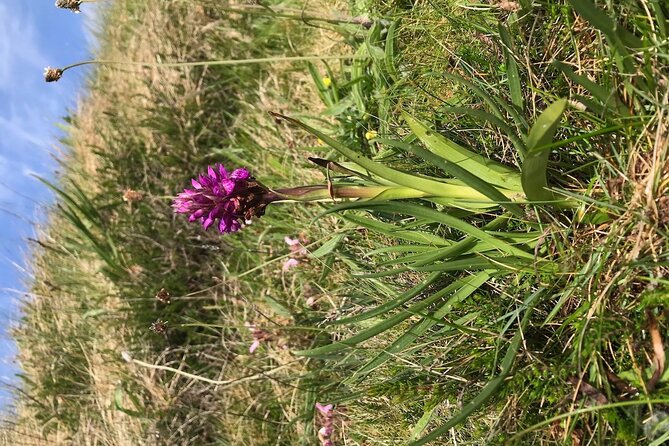
Then comes Móin Rua, a heathland famous for its wild orchids. Even if you don’t spot orchids on the day you go, you still get the point: this is a specific ecological zone, not generic countryside. Heathland walking can have its own texture underfoot, and it changes the feel of the hike from sheer cliff views to something more intimate and grounded.
If orchids are your goal, check timing before you go. The tour itself doesn’t promise specific bloom counts in the information given, so treat orchid viewing as a bonus that depends on season and conditions.
Cnoc na nGabhar and the sense of place at every turn
West Cork has mountains that don’t just sit in the background. Cnoc na nGabhar is one of those features that helps you understand how the coastline works. When you mention a mountain by name on a hike like this, it’s rarely just for show. You’re getting a landmark that locals use to orient themselves, and that changes how you experience the route.
As you move along, you’ll also find the tour’s “named features” approach. The walk includes loads of small places with names and stories, which is one of the reasons people feel like they learned something without it turning into a lecture. You stop often enough that the history stays fresh, and the views keep you from feeling stuck in one topic too long.
This is also where the guide’s local knowledge pays off. The itinerary includes secret trails along the Wild Atlantic Way, which means you get to experience the region without only sticking to the most obvious public viewpoints. That matters if you’ve already driven the coast and feel like you’ve seen the quick highlights.

The EIRE sign and the Iron Age promontory fort
Some stops are about meaning, others about mood. The famous EIRE sign fits the mood category. It’s a quick visual moment that helps you connect with Irish identity in a way that doesn’t require deep background reading. It’s also a useful landmark for breaking up the walk, giving you a clear “we are here” point for photos.
But the highlight for many people is the Iron Age promontory fort. A promontory fort gives you the logic of defense built into the geography. Even without studying fortifications, you can often see why this kind of site existed where it did, because the land shapes what attackers and defenders can do.
The fort stop is also described as having a secret known only to locals. In plain terms, this is your chance to experience the area a little off the beaten path, with guidance that knows where to stand and what to notice. When a tour includes a local secret, it usually means better viewing angles, a safer route through rougher ground, or a point where the story makes extra sense because you’re positioned correctly.
If you like history that you can actually see in the terrain, you’ll probably care about this part most. It turns “I walked along cliffs” into “I understood why people were there.”
Wild Atlantic Way secret trails and the WWI-linked Tráigh Liceach finish
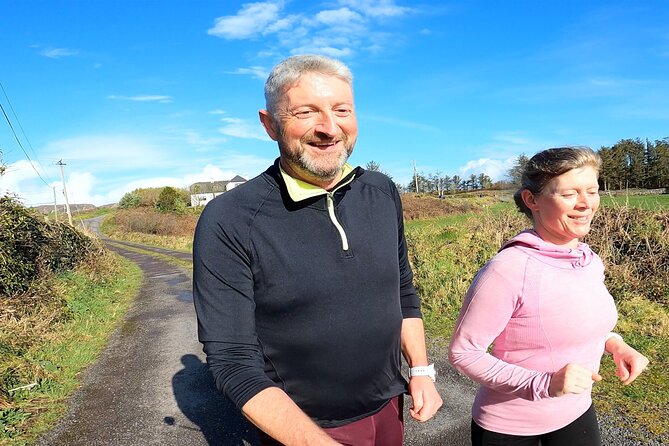
Toward the end, the hike pivots back to the coast in a memorable way. You return to Tráigh Liceach beach, which the experience frames as both a beach and a battlefield. That double meaning is what makes the final stop stick.
You’ll share a couple of fascinating stories about the Battle of Tráigh Liceach and WWI submarine activity around this coastline. The details in the information given point to a guide-led storytelling focus rather than a self-guided museum. That’s a big advantage for travelers who don’t want to read a wall of text. Here, you get the narrative while you’re physically at the location, with the sea as the backdrop.
After the walk, you’re not just sent away. The guided experience ends together, and reviews highlight hot tea and homemade cookies at the finish. That kind of ending is practical. It helps you warm up if you hit wind or cooler temperatures, and it gives you a low-pressure moment to reflect on what you just walked through.
Also, this finish works especially well if you want one good West Cork “memory moment” to anchor the rest of your trip. You’re finishing where the coast’s natural beauty overlaps with human history.
What the guide role looks like in real life (Conor’s impact)
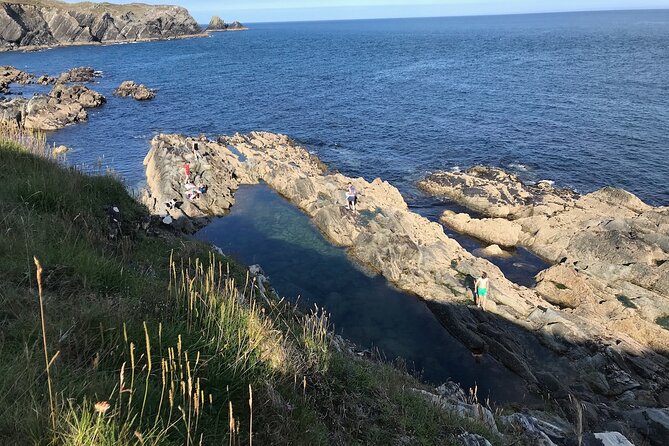
The most consistently praised part of this hike is the guiding, and not in a generic way. Conor is mentioned for being great and informative, for answering questions throughout, and for keeping the group engaged with history and folklore tied directly to stops.
The practical takeaway for you: if you enjoy explanations, this is the kind of tour where you can ask things as you go. You don’t have to wait for a Q&A at the end. Since the stops are frequent, you can also connect your questions to the place you’re standing in front of.
Another strong point: pace and attention. The experience is built for an easy, fun hike, but that doesn’t mean it’s sleepy. Short pauses keep you from feeling rushed, and the guide keeps the energy moving so the group stays interested.
Price and value: $60.07 for a small-group, story-heavy half-day
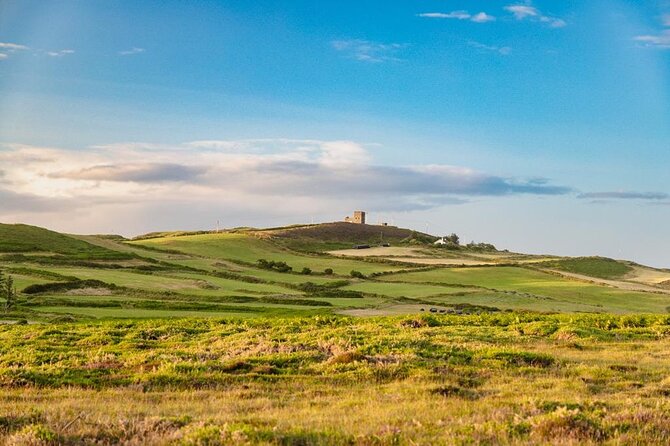
At $60.07 per person for about 2 hours 45 minutes, you’re paying for three things that many hiking tours separate into different items: guiding, pacing, and interpretation. The hike isn’t just “walk here, look there.” It’s built around stories, named stops, and a deliberate route length of about 7km.
You also get light snacks and water during the hike, plus hot tea and homemade cookies at the end. That doesn’t replace a full meal, but it does cover the basic needs that turn a “nice walk” into a comfortable outing. If you’ve ever done a scenic walk and then realized you forgot to eat or bring enough water, you can see the value immediately.
The small group cap at 10 is the other value multiplier. In this price range, many hikes are crowded. Here, the guide has the attention bandwidth to keep the experience personal. That matters if you care about history and folklore, not just views.
If your budget is tight, you’ll want to compare this to self-guided routes. But if you want the coast plus a guide who makes the places meaningful, the price starts to look fair.
Packing and comfort tips for Toe Head clifftop weather
Even though the hike is easy and fun, you’re on the coast. That means you should dress for wind and changing conditions. Bring a light layer you can add or remove quickly, plus a rain shell if the forecast is uncertain.
Because the tour supplies light snacks and water, you can keep your pack small. Still, I recommend bringing:
- Comfortable shoes with grip for uneven paths
- A small layer for breeze
- Sunglasses or a hat for sun and spray
- Your phone for photos, but consider a backup battery
Also, arrive with enough time to meet at the start properly. The hike begins at 9:00am, and the start area is Toe Head Coast Guard Station, Unnamed Rd, Bawnishall, Co. Cork, Ireland. Starting on time helps the guide keep the stops in a comfortable rhythm.
Should you book the Toe Head Clifftop Hike in West Cork?
If you want an easy clifftop hike with real storytelling, I’d book it. The combination is strong: a 7km walk at an easy pace, a small group capped at 10, and stops tied to an Iron Age promontory fort, a deserted famine village, the Móin Rua orchid heathland, and a Tráigh Liceach finish with WWI submarine stories.
This is also a great fit if you like guided history but don’t want it to feel like a classroom. The pace includes frequent stops and short stories that build as you go. And the ending matters. Hot tea and homemade cookies turn the finish into something you’ll remember.
I’d only hesitate if you prefer fully independent hiking. This route is structured, with frequent stops and a guide-led sequence, so it’s less about wandering freely and more about following a carefully planned loop.
If you’re visiting Cork and want one West Cork experience that hits views, history, and local flavor in under three hours, this is a smart use of time.
FAQ
What is the duration of the Toe Head Clifftop Hike?
The hike lasts about 2 hours 45 minutes.
How long is the hike?
You’ll hike about 7km at a very easy pace.
How many people are in the group?
The tour has a maximum of 10 travelers.
Where does the hike start and end?
It starts at Toe Head Coast Guard Station, Unnamed Rd, Bawnishall, Co. Cork, Ireland, and ends back at the meeting point.
What time does the tour start?
The start time is 9:00am.
Does the tour provide food or drinks?
Yes. The experience includes provided light snacks and water, and it ends with hot tea and homemade cookies.
What language is the tour offered in?
The tour is offered in English.
What fitness level do I need?
You should have a moderate physical fitness level.
What is the weather policy?
This experience requires good weather. If it’s canceled due to poor weather, you’ll be offered a different date or a full refund.
Are service animals allowed?
Yes, service animals are allowed.
West Cork Keeps Going
Elsewhere on The Ireland Traveler
Lately added to the Cork pile
- Cork Chat and History Walking Tour
★ 5.0 · 3 reviews - Cork Private Transfer from Cork Airport to City centre
★ 5.0 · 3 reviews - Fastnet Rock Lighthouse direct boat tour-Baltimore.Guided.
★ 3.7 · 3 reviews - Cork Private Walking Tour
★ 5.0 · 3 reviews - Kinsale and West Cork Classic Private Tour in modern a/c minibus
★ 5.0 · 4 reviews - Explore Cork City and Cork Harbour Greenway by Bike
★ 5.0 · 5 reviews
More Kinsale and West Cork Tours, side by side.
 ★ 5.0Cobh (Cork) to Blarney Castle & Kinsale – Shore ExcursionFrom $95504 reviews
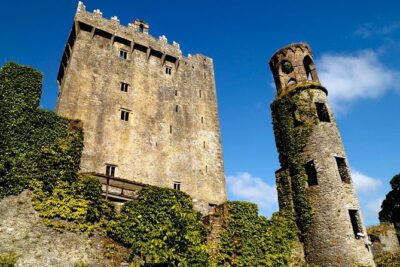 ★ 4.5Shore Excursion From Cork: Including Blarney Castle and KinsaleFrom $107470 reviews
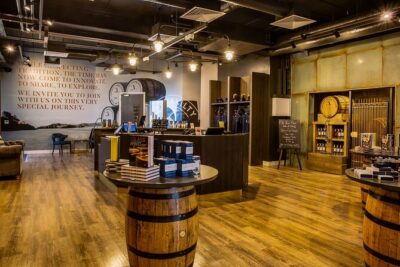 ★ 5.0Clonakilty Distillery Tour & Classic Whiskey TastingFrom $24110 reviews
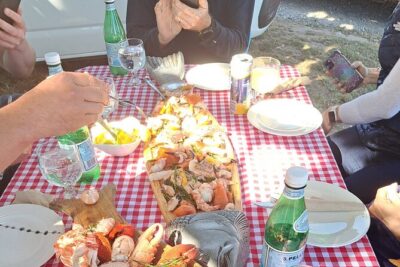 ★ 5.0Kinsale Culinary TourFrom $18195 reviews
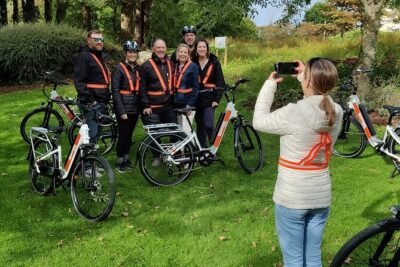 ★ 5.0Electric Bike Tour of Kinsale with Expert Local GuideFrom $9067 reviews
 ★ 5.0Boat Tour of Kinsale Harbour and Bandon RiverFrom $66366 reviews
 ★ 5.0Private Tour Blarney Kinsale and Cobh Viator Badge of ExcellenceFrom $1,08051 reviews
 ★ 4.7From Cork: Guided Full-Day West Cork to Mizen Head TourFrom $10144 reviews
Other lists this one is on