
REVIEW · IRELAND
Windmill Lane Recording Studios – Visitor Experience
A studio tour with real mixing gear. Windmill Lane Recording Studios is a working Dublin recording space where you get the backstage view, plus hands-on mixing time. I like that it mixes studio history with how a session actually runs, not just big-name photos.
The one catch: this is only about an hour, so you need to show up ready with questions if you want more technical answers. Also, it is a working studio, so they stress advanced booking to keep everything running smoothly.
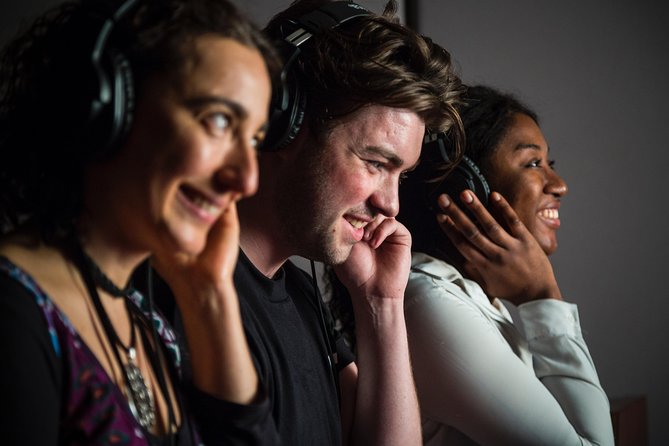
You’ll likely find owners and industry pros guiding the experience, including people with names like Maria, Marie, Ross, and Naomi. And since the group tops out at 15, the pace stays friendly and interactive, even if recording isn’t your usual hobby.
In This Review
- Key Things You Should Know Before You Go
- Why Windmill Lane Feels Like a Backstage Pass
- Getting There From Central Dublin Without Stress
- What You See in the 1-Hour Studio Route
- The big advantage of the short format
- The possible drawback
- The Studio History You Can Actually Use
- The Hands-On Mix: Mixing Your Own Session Without Being an Engineer
- What to expect when you mix
- Guide Energy Makes the Difference
- Price and Value: Why About $31.44 Can Be a Fair Deal
- Who Should Book This Tour, and Who Might Skip It
- Should You Book Windmill Lane Recording Studios?
- FAQ
- How long is the Windmill Lane Recording Studios visitor tour?
- What is the price per person?
- Where is the meeting point?
- Is the tour offered in English?
- How large are the groups?
- Is Windmill Lane a working recording studio?
- Are service animals allowed?
- Is it near public transportation?
- Can I cancel for a full refund?
Key Things You Should Know Before You Go
- Working studio access, not a staged museum stop
- History plus practical recording basics, so it feels useful
- A virtual band moment, built into the hands-on flow
- Mix your own session, including time at the mixing setup
- Small group size up to 15, which helps questions and photos
Not settled on one yet? These Dublin trips earn the warmest write-ups from our reviewers.
- Dublin to Cliffs of Moher, including Wild Atlantic Way and Galway★ 5.0 · 23,331 reviews
- From Dublin: Cliffs of Moher, Burren & Galway City Day Tour★ 4.8 · 18,888 reviews
- Dublin: Guinness Storehouse Entry Ticket★ 4.6 · 16,863 reviews
- Dublin to Cliffs of Moher, Burren, Wild Atlantic Way, Galway Tour★ 5.0 · 12,924 reviews
Why Windmill Lane Feels Like a Backstage Pass
Windmill Lane Recording Studios sits in Dublin 4, and the tour’s whole vibe is grounded in the fact that it is still in use. You are not just walking past old memorabilia. You are seeing how a studio works, how people talk to each other during sessions, and how sound gets shaped by gear and process.
That matters because recording can sound mysterious from the outside. Here, the tour turns the mystery into a sequence you can follow. You hear the studio history and the kind of artists who have recorded there, then you connect that story to real equipment and real workflows.
I also like that the experience fits both music fans and non-fans. If you love classic rock, you will enjoy the famous-session stories. If you are more curious about the mechanics, you will get a clear sense of what engineers do and why the steps matter.
Getting There From Central Dublin Without Stress
The meeting point is 20 Ringsend Rd, Dublin 4 (D04 CF66). The tour ends back at the same place, so you do not have to plan a separate return.
One reviewer noted it can be a straightforward walk from the Trinity College area, around 20 to 30 minutes depending on your route. That said, it is also listed as near public transportation. So you can pick the option that matches your energy level.
Plan for a little bit of moving around inside a working facility. The experience notes a moderate physical fitness level requirement, but nothing suggests extreme hiking. Still, wear shoes you can stand and walk in comfortably.
What You See in the 1-Hour Studio Route
This tour is designed as a tight, guided circuit. You start at the studios and spend about an hour going through the key parts of the experience, with admission included. The structure is simple: learn the studio story, understand how recording sessions work, then try the hands-on part.
You can think of the route in four phases.
First, you explore the world-famous studios and learn how this place became a major name in Dublin’s recording scene. This is where you pick up the context: why the studio is known, what makes the rooms special, and how different projects might approach sound differently.
Second, you get a clear explanation of how a recording session works. This is not a vague overview. You learn the basics of the production steps and the roles behind the scenes, from getting sound captured to processing and preparing what comes next.
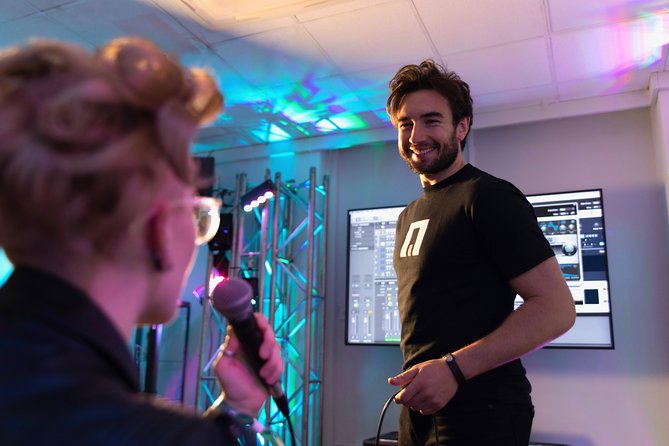
Third, there is an interactive segment that includes a virtual band moment. It helps you understand the idea of arranging, layering, and how a session can evolve while you are still in the early stages of the process.
Finally, you reach the most memorable part: mixing your own session. This is where you stop being a spectator and start making choices. It is also where you feel how small adjustments can change the overall sound.
The big advantage of the short format
Because the tour runs around an hour, it stays focused. You will not get bored waiting for “the next museum room.” You also leave with more than a few facts. You leave with a practical feel for the process.





The possible drawback
You might want more time in the mixing area or more time asking technical questions. The tour is capped and scheduled, so it cannot become a long, one-on-one master class. If you have specific gear questions, bring them up during the tour while you have the guide’s attention.
The Studio History You Can Actually Use
The tour focuses on Windmill Lane’s history and the artists who have recorded there. That could be pure storytelling, but here it is tied to real studio functions. You are not just hearing that legendary albums happened. You are learning what the studio environment supports and why that matters.
You will hear about how the rooms and equipment have been used over time, and you’ll likely get a sense for how recording culture works in a place that has been active for years. One of the most praised elements is that the tour does not treat history like trivia. It connects the past to the present-day recording setup.
You also get practical details that help you understand why different sounds feel different. During the session explanation, you learn how a studio can influence the final result, from capture to mixing decisions.
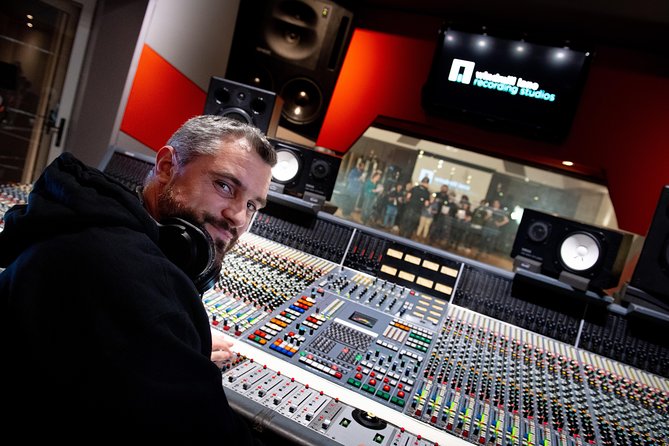
If you love music production, you will probably perk up at the mention of classic gear. One commonly cited highlight is the attention given to an iconic mixing board, including a Neve analog console. Even if you do not know the terminology, seeing that kind of hardware in action turns abstract recording talk into something tangible.
The Hands-On Mix: Mixing Your Own Session Without Being an Engineer
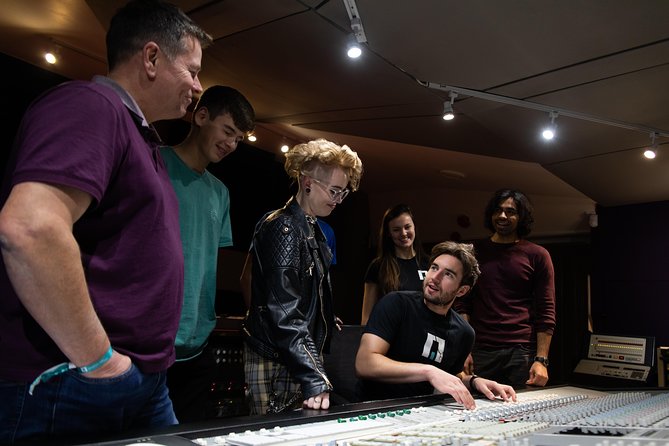
This is the part that gets people talking afterward. You are not just watching a demo. The experience includes time where you mix your own session, guided through what you are hearing and what your choices affect.
What makes this valuable is that it teaches your ear, not just your eyes. You start to connect changes in levels and balance to the way a track feels. You learn that mixing is a series of decisions, not a magic button that fixes everything.
The tour also includes a sound demonstration and the virtual band segment. Together, these help you understand the “before and after” of recording. It is one thing to hear that engineers shape sound. It is another thing to hear something change because of a setting you just adjusted.
If you enjoy technical questions, this is where you’ll likely have a good time. Multiple guides are described as being able to answer both basic and more technical queries. Even if you feel out of your depth, the interaction is set up so you can participate without needing a background in audio engineering.
What to expect when you mix
You will be guided through the session so you know what you are doing. The goal is not to make you a producer in 60 minutes. The goal is to help you feel the process and understand the cause-and-effect relationship between your adjustments and the sound.
Guide Energy Makes the Difference
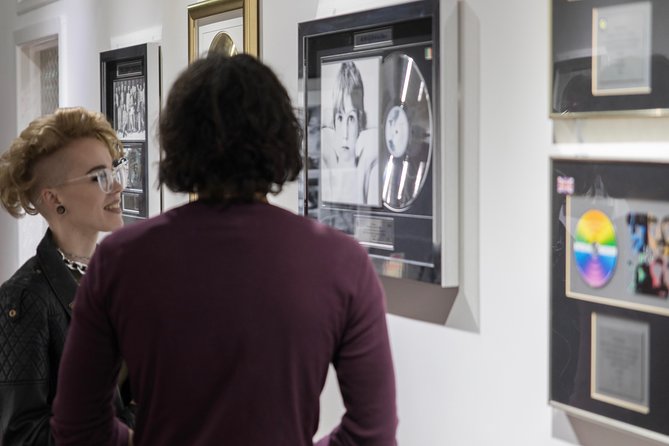
The best tours do not just provide information. They create momentum. Here, that energy often comes from the people running the studio experience.
In the feedback you provided, several names show up for guides and hosts, including Marie, Maria, Ross, and Naomi, with some tours led by owners. That matters because owners and industry professionals tend to answer questions with real examples, not rehearsed lines.
The praise also points to friendly staff who respond to questions and keep the experience interactive. One reason this stands out is that the tour feels like a conversation. Even if your group is a mix of music fans and non-fans, the guide can adjust the level of detail and keep things moving.
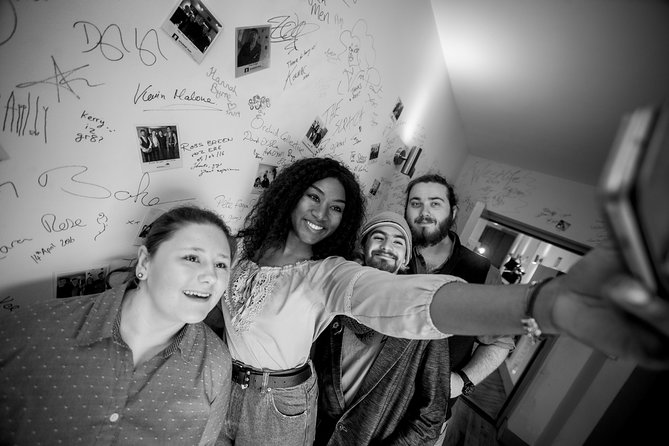
I also like that they make room for photo opportunities, so you can capture the room and the gear without feeling like you are in the way.
Price and Value: Why About $31.44 Can Be a Fair Deal
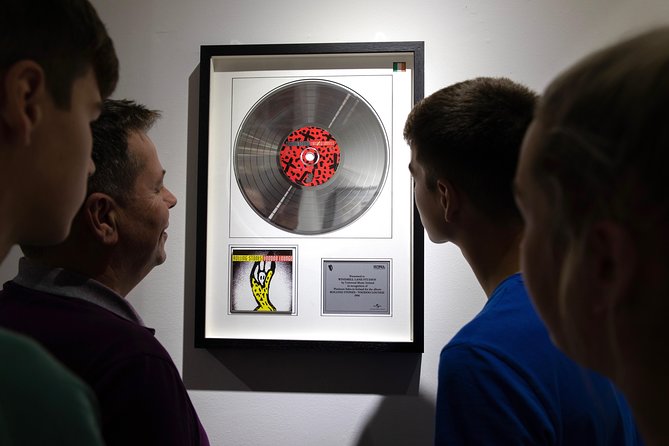
At $31.44 per person for roughly one hour, this tour sits in the “mid-priced, high-experience” category. You are paying for access to a working studio, guided explanation, and included participation in mixing.
Many city tours give you sights. This one gives you understanding plus hands-on time. That usually means better value for people who want more than photos of a landmark.
Two value drivers make the price feel reasonable:
- Admission is included, so you are not nickel-and-diming for the core experience.
- The group is small, max 15, which supports real interaction and better time with the guide.
One more detail to consider is timing. The info says average booking is about 33 days in advance. That usually means popular time slots can go quickly, so plan ahead if you have a tight Dublin itinerary.
Who Should Book This Tour, and Who Might Skip It

This is a strong match if you want a genuinely different Dublin experience. It’s especially good if you:
- love live music or pop culture and enjoy hearing how songs get made
- like technical stuff like recording gear, studio consoles, and sound setups
- want an activity that works for mixed groups (music fans plus people who just want something fun)
It may not be the best fit if you dislike interactive activities or you want long, slow sightseeing. Since the whole tour is about an hour, it is designed for focused engagement, not wandering.
But if you can handle a short, structured visit in a working space, you will probably enjoy it. Even non-music people tend to appreciate the “how it’s made” approach once they see the equipment and process up close.
Should You Book Windmill Lane Recording Studios?
Book it if you want a one-hour Dublin stop that combines studio history with real participation. It is small-group, guided, and built around mixing your own session, which makes it feel more memorable than typical attractions.
Hold off only if you want a long, leisurely outing or you need a very low-activity schedule. Otherwise, this is the kind of experience that adds something practical to your trip. I would treat it like a must-do for music curiosity, not just a fun side quest.
FAQ
How long is the Windmill Lane Recording Studios visitor tour?
The tour runs about 1 hour.
What is the price per person?
The price is $31.44 per person.
Where is the meeting point?
Meet at 20 Ringsend Rd, Dublin 4, D04 CF66, Ireland.
Is the tour offered in English?
Yes, it is offered in English.
How large are the groups?
The tour has a maximum of 15 travelers.
Is Windmill Lane a working recording studio?
Yes. It is a working recording studio, and advanced booking is essential.
Are service animals allowed?
Yes, service animals are allowed.
Is it near public transportation?
Yes, it is listed as near public transportation.
Can I cancel for a full refund?
Yes. Cancellation is free, and you can cancel up to 24 hours before the experience start time for a full refund.
Elsewhere on The Ireland Traveler
Lately added to the Dublin pile
- Waterford Crystal and Kilkenny Full-Day Rail Tour from Dublin
★ 5.0 · 3 reviews - Turtle Bunbury’s Dublin: A Self-Guided Audio Tour from a Celebrated Author
★ 5.0 · 3 reviews - Cliffs of Moher and The Burren Private Tour from Dublin
★ 5.0 · 3 reviews - Dublin Full-Day Tour through Boyne Valley
★ 5.0 · 3 reviews - Rock Of Cashel And Blarney Castle Private Chauffeur Full Day Sightseeing Tour
★ 4.5 · 3 reviews - Private Irish Fusion Meal in a Modern Home in Skerries, Dublin
★ 5.0 · 3 reviews