
REVIEW · IRELAND
Coastal Foraging and Folklore Tour
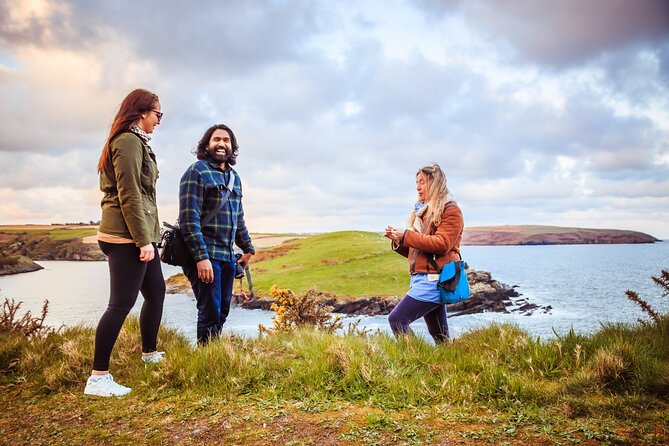
Seaweed hunting, with stories attached. This Coastal Foraging and Folklore Tour takes you to Sandycove, where you learn how the shoreline’s sea life and plants connect to local myth and practical uses. It is led by a marine biologist who returned to Ireland in 2014 and loves sharing the coast with curious people.
I like that you are not just walking, you are learning to identify wild seaweeds, shellfish, and plants, plus what they are used for in beauty, food, and medicinal ways. I also like the folklore angle, the myth and mystery of the coast, woven into what you see right in front of you.
One thing to consider: this is a coastal activity, and it requires good weather, plus you are responsible for getting to the Sandycove Slipway meeting point.
In This Review
- Key things you will love about this Sandycove foraging tour
- Sandycove start point, tight timing, and what the 1.5-hour rhythm means
- Meet the marine biologist guide, and how her background shapes the walk
- Learning to identify seaweeds, shellfish, and wild plants without feeling rushed
- Tide-line finds, shoreline plants, and what the Sandycove walk is really like
- Folklore and medicinal coastal stories, told where they belong
- The value of a $60.01 ticket, and what you are really paying for
- Who should book this, and who might prefer a different type of tour
- Practical tips for your Sandycove foraging morning or afternoon
- Should you book Coastal Foraging and Folklore?
- FAQ
- Where does the tour start and end?
- How long is the Coastal Foraging and Folklore Tour?
- Is this tour private?
- What language is the tour offered in?
- What will I learn during the tour?
- Will there be a guided coastal walk?
- Does it include legends and folklore?
- What are the opening hours?
- Is the tour dependent on weather?
- Are service animals allowed?
- Is transportation included?
Key things you will love about this Sandycove foraging tour
- Marine biologist guide experience: years working with wild seabirds and marine creatures before returning to Ireland in 2014
- Hands-on shoreline learning: you identify seaweeds, shellfish, and wild plants and learn their uses
- Food, beauty, and medicinal stories: practical applications paired with coastal lore
- Private group feel: only your group participates, so questions stay on topic
- Sandycove setting: a real shoreline moment at the Sandycove Slipway meeting point
Not settled on one yet? These Cork trips earn the warmest write-ups from our reviewers.
- From Cork: Ring of Kerry Guided Day Trip★ 4.3 · 1,284 reviews
- Cliffs of Moher and More: Full-Day Tour from Cork★ 4.4 · 879 reviews
- Cork Midleton DistilleryJameson Experience & Whiskey Tasting★ 5.0 · 681 reviews
- Ring of Kerry Day Tour from Cork: Including Killarney National Park★ 4.5 · 663 reviews
Sandycove start point, tight timing, and what the 1.5-hour rhythm means
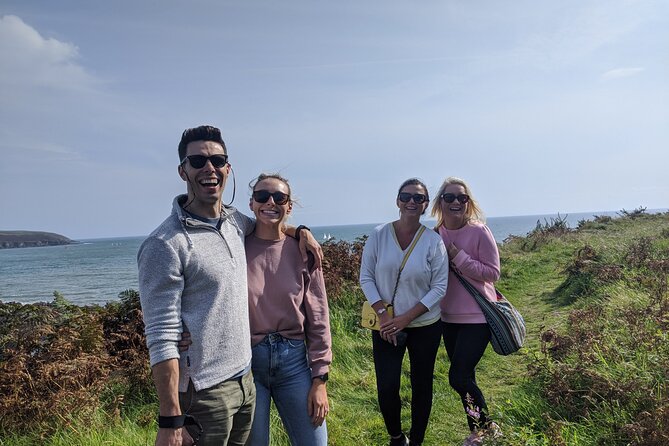
You meet at Sandycove Slipway (Muir Cheilteach, Sandycove, Ringrone Heights, Co. Cork). The tour ends back at the same place, so you are not guessing where to go or how to get back.
The total time is about 1 hour 40 minutes to 1 hour 45 minutes. That matters because foraging walks work best when the group stays focused. You will move through the shoreline experience at a steady pace, with the guide keeping you moving between observations and explanations.
This is also a private tour/activity, meaning only your group joins. If you like asking questions without waiting for others to catch up, that private setup is a big plus. The tour is offered in English, and you get a mobile ticket.
Finally, the practical note: this is a good-weather outing. If the weather turns, the operator can offer a different date or a full refund. Plan for that flexibility if you are traveling in shoulder season or you hate schedule surprises.
Meet the marine biologist guide, and how her background shapes the walk
The guide leading this tour is a marine biologist. She spent years working with wild seabirds and marine creatures in New Zealand and Canada before returning to Ireland in 2014. That kind of resume changes the tone of the tour. You should expect real-world observations, not just general fun facts.
What I find especially valuable here is how scientific training and folklore storytelling can share the same moment. When a guide understands marine life well, she can explain what you are seeing in clear terms, and then connect it to the myths and traditions people developed along the coast.
In my view, it is this mix that makes a foraging tour feel like more than a nature walk. You get names, uses, and context, and you leave with a mental map of how the tide, plants, and animals fit into coastal life.
If you get Suzanne as your guide, you can expect that storytelling energy, plus an ability to explain things in a way that keeps the group relaxed. That matches what many people love about this experience: not stiff education, but real guidance that feels friendly and personal.
Learning to identify seaweeds, shellfish, and wild plants without feeling rushed
The core of the tour is identification. You will look at a selection of wild seaweeds, shellfish, and plants and learn how to tell them apart. The tour also covers the uses of these coastal finds for beauty, food, and medicinal purposes.
Here is why this is more than just a list of edible names. When you learn identification in the real place where it grows, you start thinking like a coastal forager. You notice patterns: how it attaches, how it grows, how different plants and shellfish look in different conditions, and what stands out against the shoreline. Even if you never go foraging on your own later, that new way of seeing is a win.
The tour is also a coastal walk with a professional guide, so the learning is integrated into movement. You are not stuck reading on a bench. You are walking and checking details as you go, which keeps the experience lively and makes the information easier to remember later.
One consideration: because it is timed to about 1 hour 40 minutes to 1 hour 45 minutes, you will likely cover key examples rather than an exhaustive catalog. That is not a flaw, it is how to keep the tour enjoyable. If you want to learn everything in one sitting, you may feel the time goes by fast.
Tide-line finds, shoreline plants, and what the Sandycove walk is really like
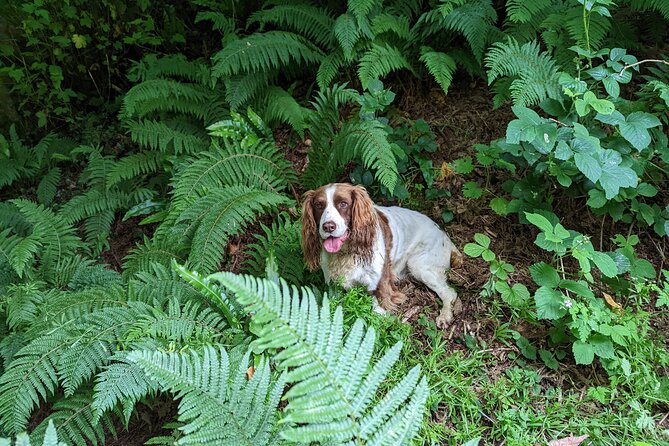
Sandycove is the stage, and the tour is built around what the coast offers at that moment. You start at Sandycove Slipway, then you follow the guide’s route along the shoreline area. The focus stays on living coastal material, not indoor demonstrations.
Based on how this tour is described, the most memorable part tends to be seeing how much is on offer when the tide goes out and you can access more of the shoreline. You get the chance to spot different seaweeds and shellfish types, plus shoreline plants with their own look and logic.
Another nice element is the gentle pace. You should expect walking that is meant for learning. It is not described as extreme hiking, and most travelers can participate. If you are traveling with kids, the guide approach also matters, and written feedback suggests the tour can be family-friendly and adjusted to keep children engaged.
Still, it is outdoors and coastal. That means you will want to dress for a real walk on real ground. If your group has anyone who hates uneven surfaces or wet patches, plan accordingly.



Folklore and medicinal coastal stories, told where they belong
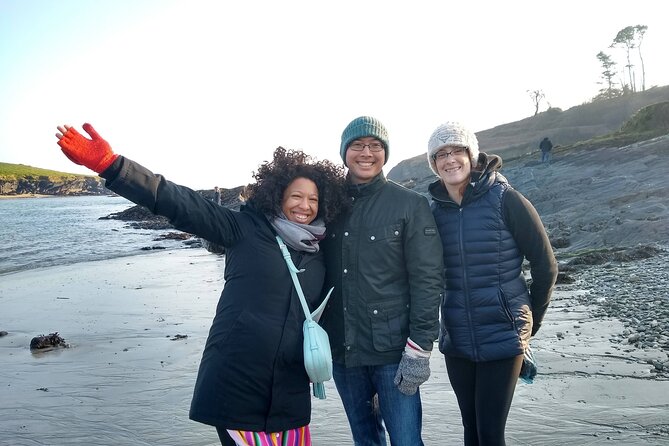
This tour does not treat folklore like a separate show. The myth, mystery, and medicinal aspects of the coast are tied directly to what you see as you walk.
That is a smart approach, because coastal traditions often developed for practical reasons. People learned what was safe, what was useful, and what patterns to trust. Over time, that practical knowledge grew stories and names, so folklore became a way to carry local understanding forward.
On this tour, you learn the legends and coastal folklore experience alongside the identification and uses. So if you are the type of traveler who loves both nature and culture, this is the rare combo that does not feel forced. You get the science angle from the marine biologist, then you get the human angle, how coastal communities interpreted the same shoreline.
And because the guide focuses on medicinal and beauty uses, you also get a broader view of why people cared about these plants and sea creatures long before modern labels and labs. You come away seeing the coast as a living pharmacy of sorts, with stories attached.
The value of a $60.01 ticket, and what you are really paying for
At $60.01 per person for roughly 1 hour 40 minutes to 1 hour 45 minutes, it is priced like an experience, not a museum ticket. You are paying for four big things:
First, you get a professional guide with marine biology experience. That is costly expertise, and it is what turns foraging from random guessing into guided observation.
Second, you get structured learning: identifying seaweeds, shellfish, and wild plants, plus their uses for beauty, food, and medicinal purposes. That is a real skill set, even if you only use it for future conversations and safer curiosity.
Third, you get storytelling: local legends and coastal folklore. That cultural piece is often what makes a short tour feel longer. It gives your brain something to hold onto.
Fourth, you get a private group. Even if the group is small, private format means time stays yours, and the guide can adapt to your pace and questions.
What is not included is transportation. There is no private transport. So the value math depends on how easy it is for you to reach Sandycove Slipway.
If you already love food, coastal culture, and learning on your feet, this is a fair price. If you mainly want scenery with no focus on identification or stories, you might feel the cost is more than you need.
Who should book this, and who might prefer a different type of tour
This tour fits best if you are curious in a hands-on way. I would book it if you like:
- Learning specific names and uses, not just admiring the coast
- Nature plus storytelling, especially folklore tied to real coastal life
- A guide who can explain the shoreline with both science and local context
It also sounds like it works for families in a practical way. If you bring children, the tour seems to have an approach that keeps everyone moving and interested.
On the other hand, if you want a long, multi-stop day of many sights, this is not that. It is focused and short by design. You might also skip it if you are visiting when weather is uncertain and you cannot flex dates.
Practical tips for your Sandycove foraging morning or afternoon
Because this is a shoreline activity, plan like you are going for a coastal walk, not a quick stroll. Wear shoes that handle wet or uneven ground. Dress in layers, since coastal weather can change fast.
Also, double-check your timing. The tour operates during Monday to Tuesday, and you meet at Sandycove Slipway. If you are coming from elsewhere in Cork, you will want to build in buffer time for getting to the meeting point.
One more small but useful point: confirmation is sent after booking, within 48 hours subject to availability. If you are juggling multiple activities, keep an eye on that confirmation window so your plan stays smooth.
Should you book Coastal Foraging and Folklore?
Yes, book it if you want a short Cork experience that mixes coastal foraging skills with myth and medicinal folklore, guided by a marine biologist with real field background. It feels grounded in what you can actually see on the shoreline, and the private setup makes questions easy.
I would skip it only if weather risk would stress you out, or if you prefer passive sightseeing over hands-on learning. This is a guided learning walk, not a long tour of multiple neighborhoods.
If you want to experience Ireland’s coast through both science and story, this Sandycove stop is the kind of thing you remember later, even when you are back inland.
FAQ
Where does the tour start and end?
The tour starts at Sandycove Slipway, Muir Cheilteach, Sandycove, Ringrone Heights, Co. Cork, Ireland. It ends back at the same meeting point.
How long is the Coastal Foraging and Folklore Tour?
It runs for about 1 hour 45 minutes (approximately), with the listed duration around 1 hour 40 minutes.
Is this tour private?
Yes. It is a private tour/activity, and only your group will participate.
What language is the tour offered in?
The tour is offered in English.
What will I learn during the tour?
You will identify seaweeds, shellfish, and wild plants, and learn their uses for beauty, food, and medicinal purposes.
Will there be a guided coastal walk?
Yes. The tour includes a coastal walk with a professional guide.
Does it include legends and folklore?
Yes. It includes local legends and a coastal folklore experience.
What are the opening hours?
The opening hours shown are Monday to Tuesday, 10:00 AM to 5:00 PM.
Is the tour dependent on weather?
Yes. The experience requires good weather. If it is canceled due to poor weather, you are offered a different date or a full refund.
Are service animals allowed?
Yes, service animals are allowed.
Is transportation included?
No. Private transportation is not included, so you will need to reach the meeting point on your own.
If you tell me your travel dates and whether you are traveling with kids, I can help you decide if the timing around Sandycove makes sense for your day in Cork.
The Wider Cork Pile
Elsewhere on The Ireland Traveler
Lately added to the Cork pile
- Cork Chat and History Walking Tour
★ 5.0 · 3 reviews - Cork Private Transfer from Cork Airport to City centre
★ 5.0 · 3 reviews - Fastnet Rock Lighthouse direct boat tour-Baltimore.Guided.
★ 3.7 · 3 reviews - Cork Private Walking Tour
★ 5.0 · 3 reviews - Kinsale and West Cork Classic Private Tour in modern a/c minibus
★ 5.0 · 4 reviews - Explore Cork City and Cork Harbour Greenway by Bike
★ 5.0 · 5 reviews
More Tours, side by side.
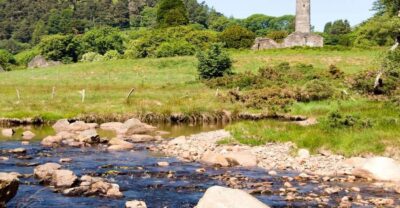
 ★ 5.0Kilkenny, Wicklow Mountains & Glendalough Day Tour from DublinFrom $487,897 reviews
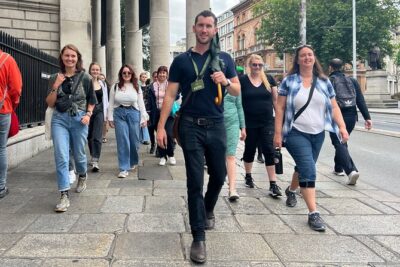
 ★ 4.8From Dublin: Wicklow Mountains, Glendalough & Kilkenny TourFrom $456,235 reviews
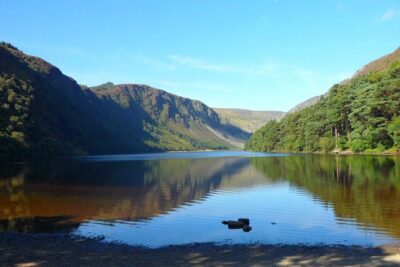
 ★ 5.0Dublin Highlights and Hidden Gems Guided Walking TourFrom $296,020 reviews
 ★ 5.0Dublin to Glendalough, Wicklow and Kilkenny Full Day Guided TourFrom $484,895 reviews
 ★ 4.7Dublin: Jameson Whiskey Distillery Tour with TastingsFrom $354,859 reviews
 ★ 4.5Dublin Book of Kells, Castle and Molly Malone Statue Guided TourFrom $953,825 reviews
 ★ 5.0The Original Award Winning Wild Wicklow Tour incl. GlendaloughFrom $663,446 reviews
 ★ 5.0Galway to Cliffs of Moher, Aillwee Cave & Dunguaire Castle TourFrom $603,058 reviews