
REVIEW · WILD ATLANTIC WAY
Coasteering on Irelands Wild Atlantic Way
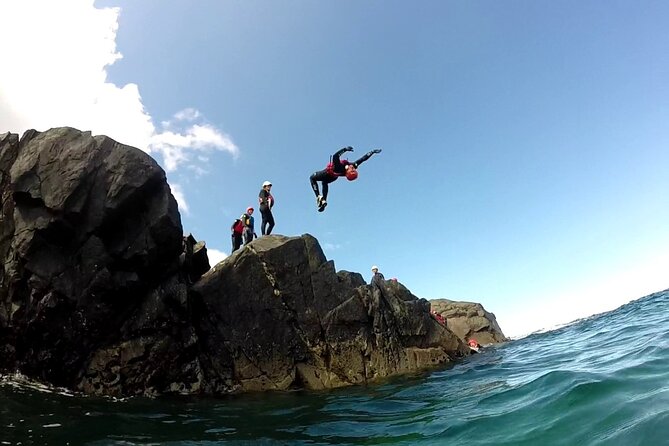
Coasteering turns coastline into a playground. I love the expert guides who tailor the session to your group, and I love how you get that raw Wild Atlantic Way feel, with gullies, caves, cracks, and real cliff-jump moments. The catch is simple: it is weather-dependent and physically punchy, so skip it if cold water or heights makes you wilt.
Guides like Danny and Steve run the show, and the tone is practical. You get a full set of safety gear included, plus the session can be adjusted to match your comfort level, not just a one-size-fits-all route. If you pack smart, you will spend more time moving and less time worrying.
For most people, coasteering can work, but it is not “sit and admire.” You are scrambling and swimming as part of the experience, in a coastline setting that the sea controls every moment. Plan on getting wet, and plan on arriving ready to go.
In This Review
- Key things I’d highlight before you book
- Wild Atlantic Way coasteering, in plain terms
- Price and value: is $92.51 worth it?
- Meeting point in Ballyconneely, and how the session likely starts
- The gear that makes or breaks your comfort
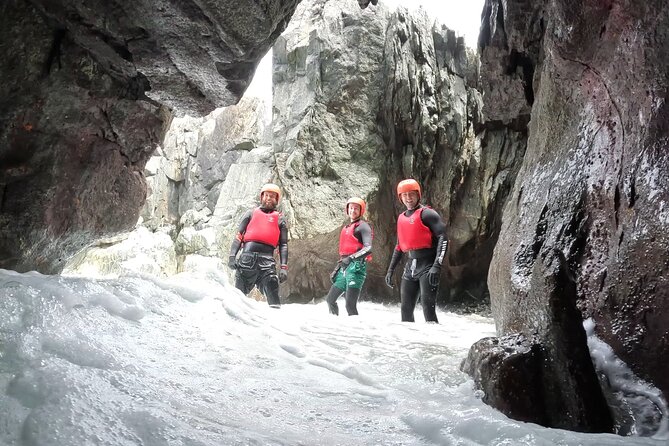
- Exploring gullies, caves, cracks, and rock formations
- Cliff jumping, caving-style bits, and the guide’s role
- The timing: what you do in about 2.5 hours
- Group size, language, and who this suits best
- Weather, safety, and making peace with the sea
- How to prepare so the day feels fun, not stressful
- Booking window: when to reserve
- Should you book this coasteering session from Clifden?
Key things I’d highlight before you book
- Small group size (max 21) means more attention and better pacing on the rocks.
- Safety gear is included: wetsuit, buoyancy aid, helmet, and gloves.
- Tailored difficulty so the guide can match your sense of adventure and fitness.
- A full mix of actions: adventure swimming, caving style exploration, climbing, scrambling, and cliff jumps.
- Wild Atlantic Way coastline access with gullies, caves, cracks, and rock formations shaped by the ocean.
- English-guided session with a mobile ticket for a quick start.
Not settled on one yet? These Clifden trips earn the warmest write-ups from our reviewers.
- Connemara Coastal kayaking★ 5.0 · 200 reviews
- Oyster Farm and Tasting Experience★ 4.5 · 33 reviews
Wild Atlantic Way coasteering, in plain terms
If you picture the Wild Atlantic Way as postcard cliffs and windy overlooks, coasteering corrects that fast. This is the coastline at working speed. You are not just looking at the sea. You are moving along it, through rock features carved by centuries of waves, salt spray, and tide pressure.
Coasteering mixes several styles of adventure into one session. Expect adventure swimming where you are using the water like part of the route, plus scrambling over uneven rock surfaces. You’ll also do caving-style exploration in pockets and cracks, and there are climbing and scrambling moments where the guide’s technique matters more than strength. Then comes the big headline, cliff jumping, if your group’s plan includes it and you are comfortable with that.
The reason I like this format is that it gives you options. The guide can dial the session toward your group’s comfort, so the day feels like your adventure, not the guide’s script. That matters, because coasteering is one of those activities where your confidence and your pace are both safety tools.
Price and value: is $92.51 worth it?
At $92.51 per person for about 2 hours 30 minutes, you are paying for three things: a specialist activity, trained guiding, and full safety gear. You are not bringing your own wetsuit or helmet. You are not hiring climbing instruction or learning water entry basics on your own.
Here’s what’s included:
- Wetsuits
- Buoyancy aids
- Helmets
- Gloves
- Shorts to wear over the wetsuit
- Runners (you can bring your own if you’d prefer)
And what’s not included:
- Swimming suit or shorts to wear under the wetsuit
- Towel
So your “real cost” is not just the ticket price. It is also the small shopping list you might need if you show up without the right under-wear or a towel. If you already own swim shorts, you’ll be set. If you don’t, it is worth planning for quick extras before you arrive.
I also think the timing is part of the value. A 2.5-hour session is long enough to feel like you did something substantial, but not so long that everyone is completely cooked. It fits well into a day around Clifden and Connemara, especially if you are juggling surf, hikes, or coastal drives.
Meeting point in Ballyconneely, and how the session likely starts
You meet at Keoghs MACE Ballyconneely, Galway, Ballyconneely, Co. Galway, Ireland. The activity ends back at the meeting point, so you can treat it as a closed-loop outing rather than a “get dropped off, never see your car again” situation.
Because it’s a guided adventure on water and rocks, the first minutes matter. I’d expect the guide to handle gear distribution and a safety briefing right away, then get you fitted and moving. With a maximum of 21 travelers, you should have enough room for the group to stay organized, while still being small enough for the guide to adjust on the fly.
You’ll also want to factor in the weather window. This experience requires good weather, and if conditions are not right, you’ll be offered a different date or a full refund. That means your booking is really a weather plan as much as an itinerary plan.
The gear that makes or breaks your comfort
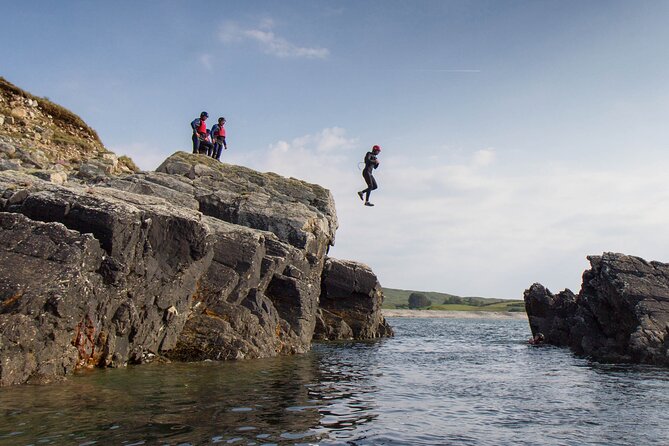
Coasteering gear is not a side detail. It is the difference between feeling capable and feeling miserable.
You get:
- Wetsuit for thermal protection
- Buoyancy aid for flotation and confidence
- Helmet for head protection
- Gloves for grip and warmth
- Shorts on top of the wetsuit
- Runners (or bring your own)
What you should bring or plan for:
- Swimming suit or shorts underneath the wetsuit
- A towel (not included)
If you’ve only done “warm weather” water sports, the wetsuit will be your reality check. But it also means you can focus on the route. The buoyancy aid and helmet help you take on the scrambling and cliff-jump moments with more trust. Gloves are also bigger than they sound. Rocks on the Atlantic coast can be tough on bare hands, and grip matters when you’re moving fast.
A small tip: if you are bringing your own runners, choose something meant for wet conditions and traction. The goal is stable footing, not fashion points.
Exploring gullies, caves, cracks, and rock formations
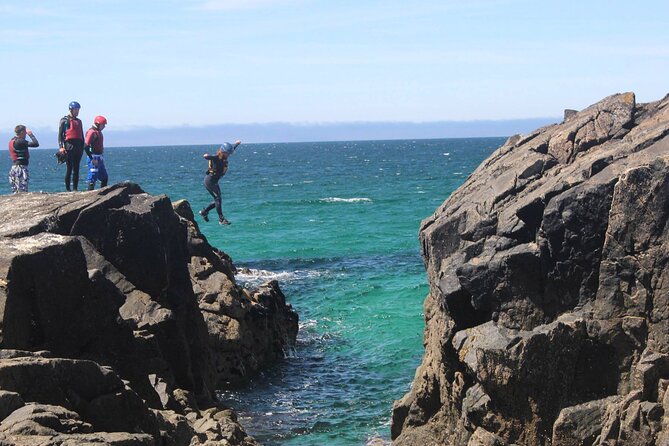
This is the heart of why coasteering feels so Wild Atlantic Way. You’re exploring rock features created by the ocean over millennia. In plain language, that means you’ll spend time navigating:
- Gullies cut into the coastline where water runs and the route shifts
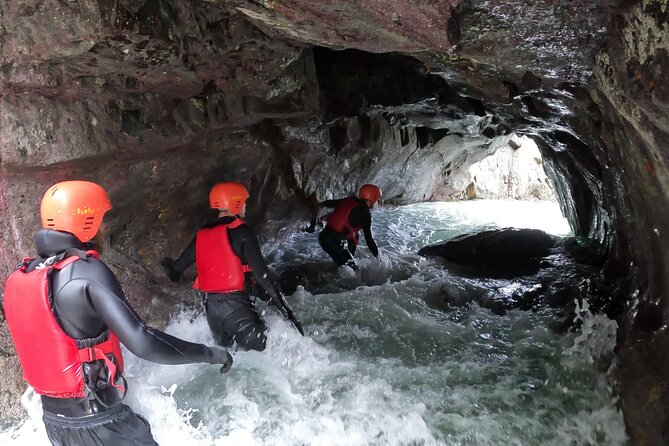
- Caves and cave-like pockets that change how you enter and move
- Cracks and fissures that guide where you can safely scramble
- Rock formations shaped by wave action, not by humans building trails
How it feels in practice is usually a mix of short bursts and transitions. You might spend a few minutes swimming or moving along wet rock, then stop to regroup, adjust footing, or listen for guidance. The guide’s job is to keep the group together and help you choose the right line when the rock texture and water depth change.
A big part of the appeal is perspective. From ground-level viewpoints, you see cliffs. From the waterline and inside rock features, you understand how the sea created the coastline. That shift in perspective is the entire point of doing this, not just standing on a path.
Cliff jumping, caving-style bits, and the guide’s role
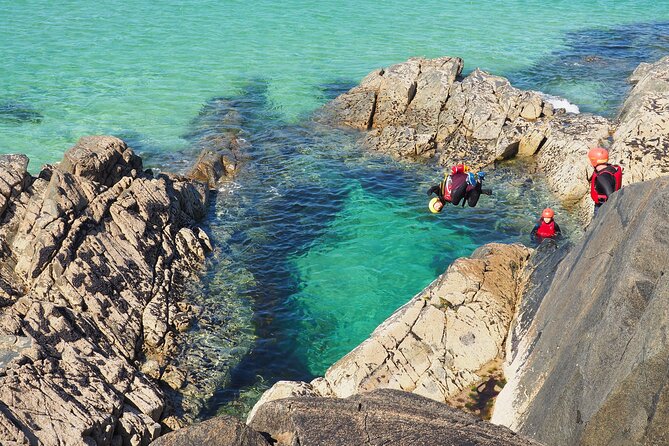
Cliff jumping is listed as part of the experience, and the reviews reinforce it as a highlight. But the key detail is that the session is tailored. That means you should expect the guide to judge how your group handles height, water entry, and basic movement on rock.
Danny’s approach came up in the feedback as a mix of challenge and caution. In one account, the guide challenged the whole group and everyone still had a blast. In another, the guide made first-timers feel like the instructions were clear and doable. Steve also shows up in feedback alongside Danny, and the overall vibe is that you get both personality and technique.
What I take from that, for your decision, is this: you don’t just follow along. You learn the basics from someone who has seen where people get stuck. That reduces the “guessing” part of cliff jumps and scrambling, and it helps you commit to the route.
Also, coasteering includes “caving” and “climbing” elements in the sense of exploring and moving through rock. That doesn’t mean technical climbing gear or a rock-climbing wall. It does mean you’ll rely on handholds, balance, and the guide’s calls on safe entry and exit points.
The timing: what you do in about 2.5 hours
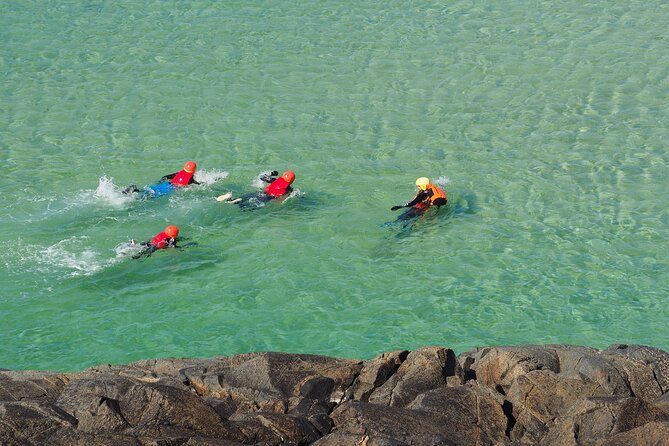
You have about 2 hours 30 minutes on the water and rocks. In that time, you can fit:
- A start phase with gear and safety briefing
- Movement and route practice, including swimming and scrambling
- Exploration through gullies and caves or cracks
- Cliff-jump moments if conditions and group comfort align
- A wrap-up with everyone back at the meeting point
Because the itinerary is not framed as a long series of named attractions, think of it as one continuous adventure with variations. The coastline will determine the flow. Waves, water depth, and visibility can influence what happens. That is also why the “good weather required” rule matters.
If you are worried about endurance, this is why the 2.5-hour window is helpful. It’s active, but it is not a full-day physical grind.
Group size, language, and who this suits best
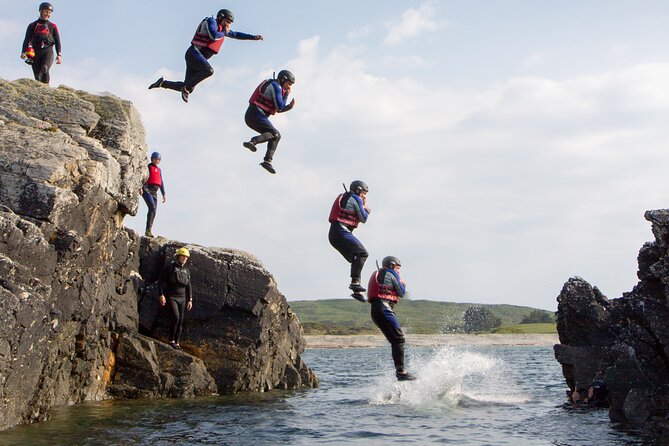
The activity caps at 21 travelers, and it’s offered in English. That balance tends to work well for a hands-on activity like this, where you need the guide to communicate clearly and keep everyone coordinated.
This coasteering session is described as suitable for everyone, with the guide tailoring it to your fitness, ability, and comfort. In real life, that usually means the guide watches how people move and then adjusts expectations. Some people will focus on the exploration and swimming. Others will lean into the cliff-jump parts. Either way, the goal is that the group stays safe and everyone finishes smiling.
Who I think it fits best:
- Active travelers who are comfortable getting wet and moving on uneven surfaces
- People who want an experience that matches the Wild Atlantic Way theme of rugged, real coastline
- Couples or small groups where you can share the adrenaline and the laughs
- Visitors based around Clifden and Connemara who want a standout water-and-rock activity
Who should reconsider:
- Anyone with a strong fear of heights if cliff jumping is part of the plan
- People who want a low-effort, photo-only activity
- Anyone who struggles with basic swimming or moving over slippery rock, unless they are confident in their abilities and comfortable telling the guide beforehand
Weather, safety, and making peace with the sea
This experience requires good weather. That’s not marketing language. It is a real safety factor. Wind, swell, and visibility change what the guide can safely navigate and how comfortable water entries will be.
One more reality check: coasteering is controlled chaos in the best way. You are dealing with water movement and the natural shape of the coastline, not an indoor venue with padded walls. That is also what makes it feel authentic.
The good news is that the operator builds the session around safety gear and expert guidance. Plus, the group size is capped, which helps the guide manage pacing and communication.
If you are visiting in shoulder season or the Atlantic is doing its moody thing, expect weather to play a bigger role in your schedule. Try not to pack your entire trip around one fixed activity time.
How to prepare so the day feels fun, not stressful
If you want this to be smooth, treat it like a sport, not a sightseeing tour.
Bring:
- Swimming suit or shorts for under the wetsuit
- A towel
- Optional, traction-focused runners you trust in wet conditions
Wear:
- Whatever you are comfortable changing into quickly
- Clothes you don’t mind getting wet on the ride back
Know before you go:
- You will be active, including swimming and scrambling
- Cliff jumping may be included, based on group comfort and conditions
- It is tailored, so speak up early if you feel unsure
And here’s a small mindset shift that helps: focus on doing the next step safely, not on “conquering” the whole coastline. The guide will break it down with technique, and your job is to stay present.
Booking window: when to reserve
On average, this activity is booked about 37 days in advance. That’s a sign that it is a popular choice, especially if you are planning during peak summer or school holidays.
If coasteering is high on your list, I’d book earlier rather than later. You’ll also have a better chance of getting a date that lines up with better weather.
Should you book this coasteering session from Clifden?
Book it if you want a real Wild Atlantic Way experience that feels physical, not passive. You get expert guiding from people like Danny and Steve, plus all the heavy safety gear, with a session designed to match your comfort level. The cliff jumping gets attention for a reason, but the best part is that the day is tailored so most people can participate in some form.
Think twice if you hate being wet, you dislike heights, or you want a calm, low-movement outing. Also, keep your schedule flexible because good weather is required, and conditions can affect the session timing.
If you’re an active traveler who loves the idea of exploring caves, gullies, and cracks right where the ocean made them, this is one of those trips that gives you a story you will keep for years.
Elsewhere on The Ireland Traveler
Lately added to the Clifden pile
- Oyster Farm and Tasting Experience
★ 4.5 · 33 reviews - Connemara Coastal kayaking
★ 5.0 · 200 reviews
More Wild Atlantic Way Tours, side by side.
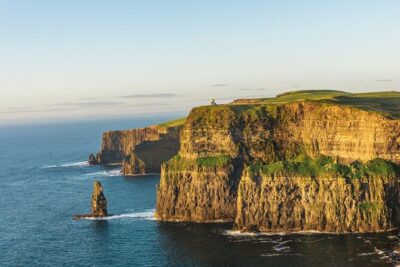 ★ 5.0Dublin to Cliffs of Moher, including Wild Atlantic Way and GalwayFrom $9023,331 reviews
 ★ 4.5Cliffs of Moher Day Tour from Dublin: Including The Wild Atlantic WayFrom $901,195 reviews
 ★ 4.0Cliffs of Moher Day Tour from Cork: Including Wild Atlantic WayFrom $82350 reviews
 ★ 4.0Cliffs of Moher Day Tour from Limerick: Wild Atlantic WayFrom $70286 reviews
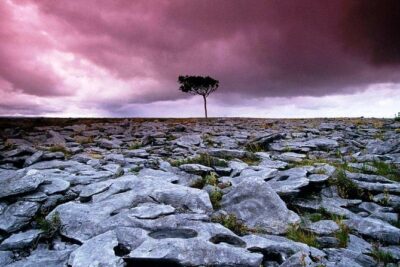 ★ 4.5Cliffs of Moher, Burren and Wild Atlantic Way day tour from Galway cityFrom $102116 reviews
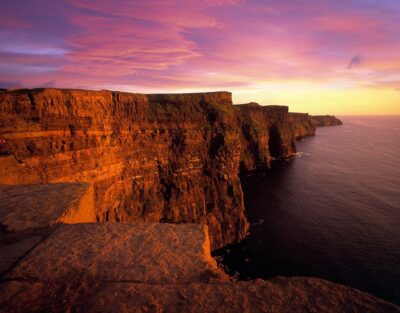 ★ 4.12 Day Wild Atlantic Way TourFrom $22691 reviews
 ★ 4.5E-Bike Cycle Greenway – Westport To Achill Island Atlantic coastFrom $8484 reviews
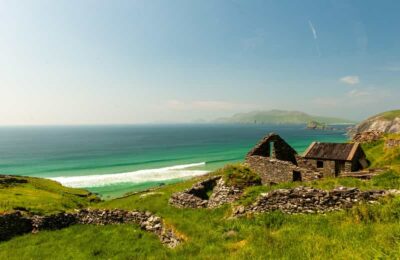 ★ 4.8From Killarney: Wild Coast of Dingle Peninsula & Slea HeadFrom $7950 reviews
Other lists this one is on