
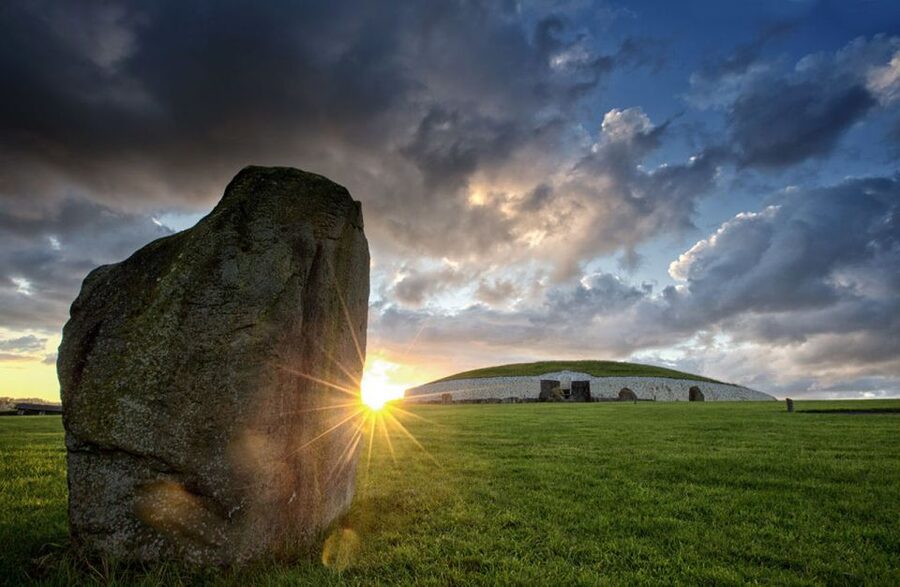
REVIEW · BOYNE VALLEY
Dublin: Boyne Valley with Newgrange and Bru Na Boinne Entry
Neolithic Ireland hits different outside Dublin. On this Dublin day trip, you combine Newgrange and Bru na Boinne with major context about Irish history, from the first Neolithic settlers to the Celts and later conflict.
I especially like how the day balances big-ticket monuments with guided stories that explain what you are looking at, and it stays on a steady pace thanks to the driver and guide teamwork (I’ve heard plenty of praise for guides like Matt, Kevin, and Richard). One consideration: food is not included, and the limited options at the Newgrange visitor area may not be your favorite meal plan of the trip.
In This Review
- Key Highlights You Will Actually Feel
- Dublin To Boyne Valley: A Straight, Scenic Day Out
- Newgrange: Why This Neolithic Tomb Still Commands Attention
- Bru na Boinne: UNESCO Tombs and the Knowth Timing Note
- Battle of the Boyne Visitor Centre: History With Real Tension
- Monasterboice and the 10th-Century High Crosses
- Price and Value: What $96 Really Buys You
- Who This Tour Fits Best (And Who Might Want Something Different)
- What to Bring for a Comfortable Day in County Meath
- My Bottom Line: Should You Book This Boyne Valley Day Trip?
- FAQ
- How long is the tour, and when do you get back to Dublin?
- Where does the tour start in Dublin?
- What are the main stops on the day?
- Is food included?
- What should I bring?
- Is Knowth accessible year-round?
Key Highlights You Will Actually Feel
- Skip-the-queue at Newgrange and Bru na Boinne, so the day stays focused on time in the sites
- A guided Newgrange experience, where the site’s astronomical and ceremonial importance clicks
- Battle of the Boyne Visitor Centre context, including why July 12 matters and how 1690 shaped identities
- Monasterboice’s High Crosses, including Muiredach’s 5.5-metre cross with Old and New Testament carvings
- A working 10th-century monument, thanks to the tall, well-preserved round tower at Monasterboice
- Seasonal adjustment at Bru na Boinne, since Knowth is not accessible between Nov 1 and Mar 1, making that portion slightly shorter
More passage tombs and old high kings
- Celtic Boyne Valley & Ancient Sites Day Tour From Dublin★ 4.5 · 865 reviews
- Dublin: Boyne Valley with Newgrange and Bru Na Boinne Entry★ 4.7 · 635 reviews
- From Dublin: Celtic Boyne Valley and Ancient Sites Tour★ 4.5 · 618 reviews
- Dublin to Newgrange, Monasterboice Small Group Guided Tours★ 4.5 · 500 reviews
Dublin To Boyne Valley: A Straight, Scenic Day Out
This is a classic Dublin to County Meath road trip, built around UNESCO-level ancient sites without forcing you to drive. You meet at the Molly Malone statue on Suffolk Street about 10 minutes before departure, and you look for a small white minibus with the HilltopTreks sign.
Expect about an hour on the coach getting out of the city and into the Boyne Valley. Then the day breaks into three main blocks: Newgrange first, the Battle of the Boyne Visitor Centre mid-day, and Monasterboice near the end before you head back to Dublin around 5:00 PM. It is long enough to feel like you truly left Dublin, but short enough that you are not stranded from dinner plans.
I like the value here because the day is not just “see things, take photos.” You get guided explanation during the stops, plus built-in entrances for Newgrange and Bru na Boinne, which matters because these sites can be busy.
Newgrange: Why This Neolithic Tomb Still Commands Attention
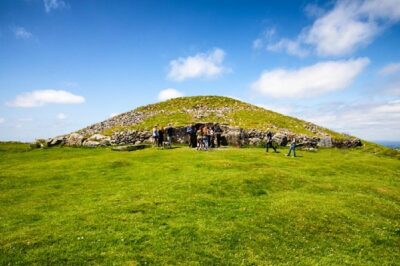
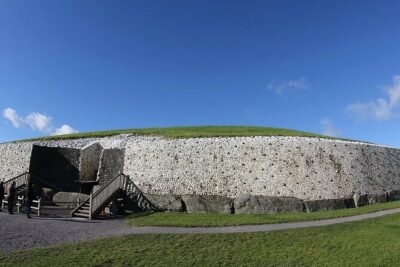
Newgrange is the star, and it deserves that billing. This is not just a pile of impressive stones. It is a place tied to astrological, religious, and ceremonial importance, and the guided element is what turns it from a visual wow into a “wait, I get it” moment.
When you arrive, you do not have to waste time figuring out entry or standing around in lines. The tour includes your entrance and skip-the-queue access into Newgrange, which keeps you from losing the best part of the day to logistics.
What you should pay attention to during the visit:
- The overall structure and how it reads as a deliberate monument, not random ruins
- How the site’s purpose links to astronomy and ritual timing
- The broader timeline, since these places trace roots back over 5,000 years
Newgrange also anchors the day thematically. You start in the Neolithic era and you leave with a clearer sense of what the people building these monuments believed and how those beliefs shaped their world. That context is exactly why the guided component is worth it on this stop, especially if you want more than just the headline facts.
Bru na Boinne: UNESCO Tombs and the Knowth Timing Note
After Newgrange, the tour continues into Bru na Boinne, a UNESCO-listed area connected to the Boyne River. This is where the bigger “why this region matters” story starts to feel real. You are surrounded by rolling hills and river country, and you can sense how a landscape like this would inspire myth, ritual, and long memory.
This portion includes entry and skip-the-queue access as well, so you are not stuck waiting while others go in. The tour also notes an important seasonal change: between Nov 1 and Mar 1, Knowth is not accessible. That means the Bru na Boinne stop will be slightly shorter during those months.
You will be happiest here if you approach the visit with patience for symbolism. These are not sites that only reward the “walk, snap, leave” approach. You will get more out of it if you listen closely to the explanations about the Neolithic presence and how the area’s later Celtic beliefs fit into the long timeline.
If you are the kind of person who loves learning how monuments connect to light, calendars, and ceremonial timing, you are in the right place. Even when the tour does not go into technical astronomy, the way the site’s light themes are explained can be a highlight of the day.
Battle of the Boyne Visitor Centre: History With Real Tension
This stop changes the mood in a good way. After the ancient tombs, you shift to the Battle of the Boyne Visitor Centre, focused on events from 1690. It is about 1 to 1.5 hours, and it is not just history as a list of dates. The story is about power, religion, and identity, and the tour frames it in terms of how the battle echoed far beyond the battlefield.
Here are the key points you should expect the guide to connect:
- The battle was a deciding event in 1690 for ruling power in Ireland, and also for Britain and Europe
- It helps explain why the conflict is still celebrated each year on July 12 by the Loyalist community
- It involves the throne struggle between catholic King James II and Protestant King of Holland, William of Orange
The tour also connects 1690 to larger consequences, including displacement of Irish Celts and their culture across the island of Ireland. That is heavy material, and the value of having a guide is that you can keep the story straight while also understanding why different communities remember the same events in very different ways.
If you like history that has a present-day echo, this is the part that will keep you thinking after you get back on the road toward Dublin.


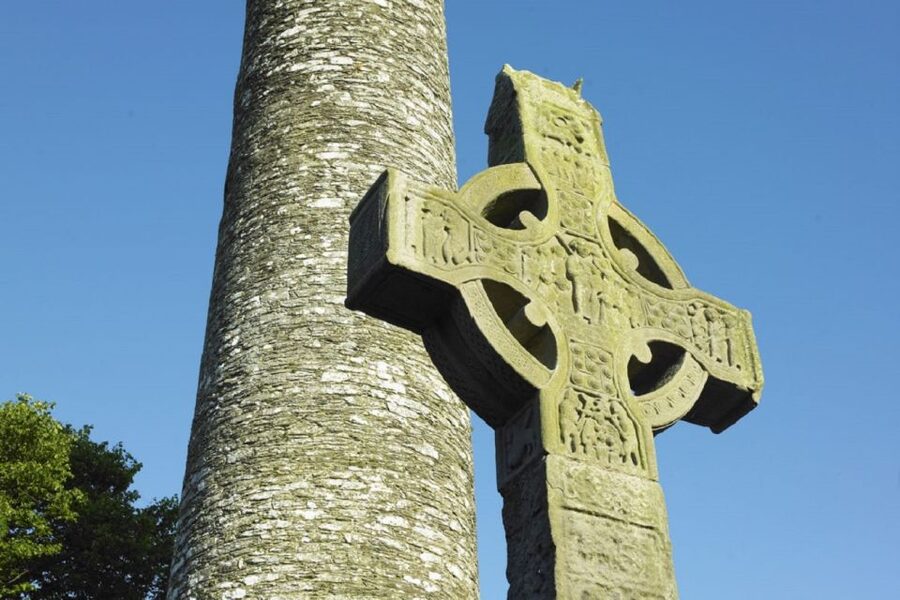
Monasterboice and the 10th-Century High Crosses
Monasterboice is your calm finale, and it is the kind of place that rewards slow attention. You get a stop of about 45 minutes, and you can see why people love it: it is packed with early Christian art and architecture, and it sits in a setting that feels made for lingering.
The tour visits the monastery of Buithe, founded by St Buithe in the 5th century. What you see today includes:
- Two churches built in the 14th century
- A round tower from the 10th century that is about 28 meters tall and in very good condition
- A story of damage, since the tower was likely built shortly after 968 and was damaged in a fire in 1098
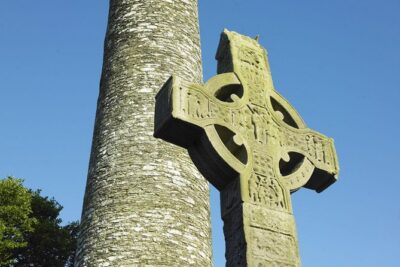
Then come the stars of the show, the Celtic High Crosses. They date from the 10th century and form a scriptural group, meaning the carvings show biblical scenes. The scale and craftsmanship matter, but the guide makes the symbolism easier to read.
One cross is especially important: Muiredach’s High Cross, regarded as the finest high cross in all of Ireland. It is about 5.5 meters tall and features Biblical carvings from both the Old and New Testaments. It is named after the abbot Muiredach mac Domhnaill, who died in 923.
If your day has felt “all intensity so far,” this is the place where you can breathe and let the carvings take over. It is also a great fit for anyone who wants a monument that is not about tombs and astronomy, but about faith, art, and storytelling in stone.
Price and Value: What $96 Really Buys You
At about $96 per person, this day trip is not cheap, but it is also not pretending to be. The real value is that your money goes into the parts that usually slow people down on their own:
- Transport from Dublin and back
- A live English-speaking guide
- Entrance fees and skip-the-queue access into Newgrange and Bru na Boinne
If you were to do this independently, you could spend time negotiating timing, entrances, and queue management. Paying for the guided structure buys you a smoother day, plus explanations that help you enjoy what you came for. The other cost here is time. You are out for about 8 hours, so you are committing to a full day rather than a quick hit.
Also worth noting: food and drinks are not included. That is normal for these tours, but it does mean you should plan on bringing your own snacks or budgeting time to buy something as you go. One common snag to avoid is arriving hungry, since the Newgrange visitor area food options may not feel like a gourmet win.
Who This Tour Fits Best (And Who Might Want Something Different)
This is a great match if you want:
- The top Boyne Valley monuments in one day without driving
- Guided context that ties together Neolithic, Celtic, and later Irish history
- A structured pace that still leaves you time for photos
You will likely enjoy it even more if you like a guide who tells stories clearly. The tour has a reputation for guides who manage timing well and explain the sites with care. Names that came up often include Matt, Kevin, and Richard, and the common thread is that the day feels comfortable, not herded.
Who might be less thrilled:
- If you hate history lectures and prefer total free time at each stop, the guided element may feel like it limits wandering.
- If you are very picky about meals, you will want a plan since meals are not included and food options can be limited.
What to Bring for a Comfortable Day in County Meath
This trip runs outdoors between monuments, so pack like you are going to be walking in variable Irish weather. Bring:
- Comfortable shoes (you will be on your feet for multiple stops)
- An umbrella (always a safe idea in Ireland)
Also, treat this as a day-trip where you will want small essentials in reach. Weather shifts fast, and you do not want to waste time hunting for cover between stops.
My Bottom Line: Should You Book This Boyne Valley Day Trip?
I think you should book if you want the best way to experience Newgrange and Bru na Boinne without turning your day into a logistics puzzle. The skip-the-queue entry, guided storytelling, and the smart sequencing with the Battle of the Boyne Visitor Centre and Monasterboice make this more than a checklist tour.
Two quick decision tips:
- If you are traveling during Nov 1 to Mar 1, know that Knowth will not be accessible, so the Bru na Boinne portion will be shorter.
- If you care about food quality, plan ahead for snacks or a meal you can enjoy on your terms, since food is not included.
If your goal is to connect Ireland’s ancient monuments to the bigger human stories around them, this day trip is a strong use of your time outside Dublin.
FAQ
How long is the tour, and when do you get back to Dublin?
The tour is about 8 hours in total, with return to the meeting point around 5:00 PM.
Where does the tour start in Dublin?
You meet at the Molly Malone statue on Suffolk Street. Arrive about 10 minutes before departure time, and look for a small white minibus with the HilltopTreks sign.
What are the main stops on the day?
You visit Newgrange, the Battle of the Boyne Visitor Centre, and Monasterboice, plus you also go into the Bru na Boinne area.
Is food included?
No. Food and drinks are not included.
What should I bring?
Bring comfortable shoes and an umbrella.
Is Knowth accessible year-round?
Knowth is not accessible between Nov 1 and Mar 1, so the Bru na Boinne portion of the tour is slightly shorter during that time.
Five Thousand Years of It
Elsewhere on The Ireland Traveler
Lately added to the Dublin pile
- Waterford Crystal and Kilkenny Full-Day Rail Tour from Dublin
★ 5.0 · 3 reviews - Turtle Bunbury’s Dublin: A Self-Guided Audio Tour from a Celebrated Author
★ 5.0 · 3 reviews - Cliffs of Moher and The Burren Private Tour from Dublin
★ 5.0 · 3 reviews - Dublin Full-Day Tour through Boyne Valley
★ 5.0 · 3 reviews - Rock Of Cashel And Blarney Castle Private Chauffeur Full Day Sightseeing Tour
★ 4.5 · 3 reviews - Private Irish Fusion Meal in a Modern Home in Skerries, Dublin
★ 5.0 · 3 reviews
More Boyne Valley and Ancient Ireland, side by side.
 ★ 4.5Celtic Boyne Valley & Ancient Sites Day Tour From DublinFrom $84865 reviews
 ★ 4.5From Dublin: Celtic Boyne Valley and Ancient Sites TourFrom $74618 reviews
 ★ 4.5Dublin to Newgrange, Monasterboice Small Group Guided ToursFrom $102500 reviews
 ★ 5.06 hour Half-Day Award Winning Private Tour of the Boyne ValleyFrom $67575 reviews
 ★ 5.0Full-Day Irelands Ancient Boyne Valley Private Guided TourFrom $89836 reviews
 ★ 5.0Private Tour of Newgrange and The Hill of TaraFrom $78034 reviews
 ★ 5.0Private Luxury Tour of Newgrange and The Hill of TaraFrom $1,02021 reviews
 ★ 5.0Private Tour from Dublin: Hill of Tara Trim Castle, Celtic sitesFrom $73820 reviews
Other lists this one is on