
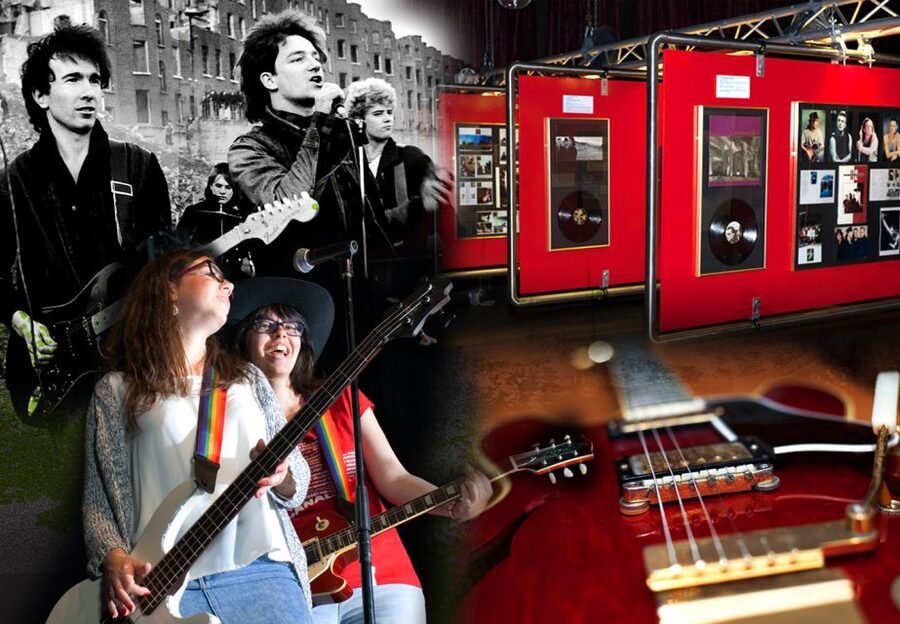
REVIEW · IRELAND
Dublin: Irish Rock ‘N’ Roll Museum with Tour in English
Rock fans, this one is for you. The Irish Rock ’N’ Roll Museum Experience turns Temple Bar’s famous street energy into a guided walk through how Irish acts built their sound. I like the way it pairs Thin Lizzy and U2 exhibitions with behind-the-scenes access to rehearsal and recording spaces.
My other favorite part is the tour’s tone, it is not just glass cases. It is guided storytelling inside the iconic Wall of Fame, with memorabilia and photos, plus an all-areas feel for a real music venue. A possible drawback: the experience is totally in English and some tours can feel more talkative or quieter depending on the guide style, so if you want loud, high-energy banter, pick a time that works for you and plan to lean in.
In This Review
- Key Things I’d Put on Your Must-See List
- Temple Bar’s Wall of Fame, and Why the Location Matters
- Thin Lizzy and U2 Exhibitions: Two Ways Irish Rock Went Global
- Behind the Scenes at a Working Venue, Rehearsal Spaces, and a Recording Studio
- Memorabilia and Photo Displays: What to Look For on Your Walk
- What 75 Minutes Feels Like, and How the Guide Shapes It
- Price and Value: Is $25 Worth It?
- Who This Tour Is Best For (and Who Might Skip It)
- Practical Tips So You Get the Most Out of the 75 Minutes
- Should You Book This Irish Rock ’N’ Roll Museum Tour?
- FAQ
- Where does the tour start?
- How long is the experience?
- How much does it cost?
- Is the tour offered in English?
- Is video recording allowed?
- Is it suitable for young children?
- Is the tour wheelchair accessible?
- What is the cancellation and booking flexibility?
Key Things I’d Put on Your Must-See List
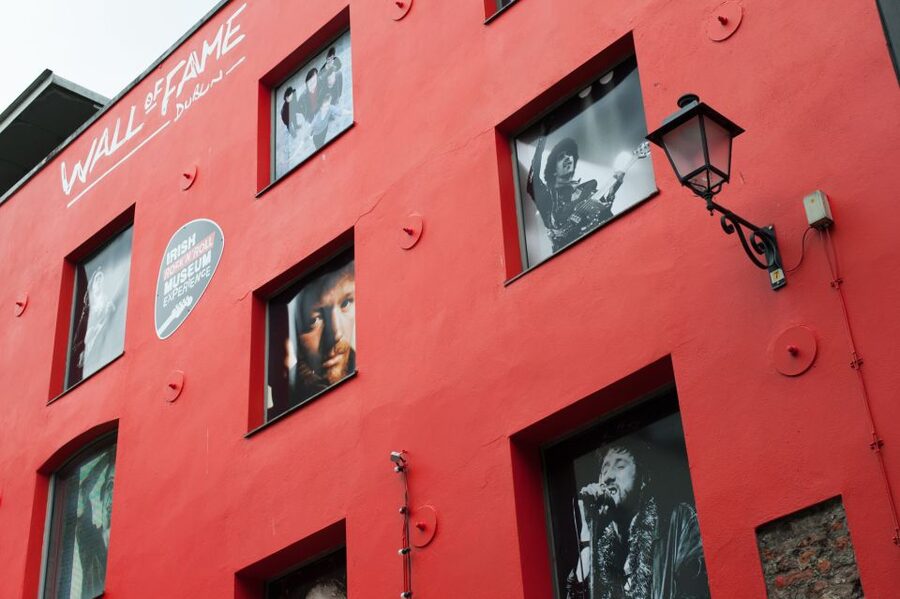
- Wall of Fame location: You tour inside the Temple Bar landmark, so the story lands fast.
- Thin Lizzy focus: There is a dedicated exhibition that gives you more than the highlights.
- U2 exhibition moments: Expect strong context around Ireland’s biggest global export bands.
- All-areas access: You get access to a top music venue, working rehearsal spaces, and a commercial recording studio.
- Memorabilia and photo displays: U2, The Pogues, The Script, and even Michael Jackson items are part of the mix.
More rooms worth an hour out of the rain
- The Little Museum of Dublin Famous Guided Tour★ 5.0 · 2,948 reviews
- Dublin EPIC Museum Admission Ticket★ 4.5 · 1,729 reviews
- Dublin: Irish Whiskey Museum Tour and Whiskey Tasting★ 4.6 · 999 reviews
- Dublin: EPIC Museum Entrance Ticket★ 4.6 · 816 reviews
Temple Bar’s Wall of Fame, and Why the Location Matters
Temple Bar is the kind of place where you can walk in, hear music, grab a pint, and move on without thinking much. This tour slows you down. It happens in the Wall of Fame in Temple Bar’s Cultural Quarter, and that matters because the building is already part of music folklore. You are not just looking at an Irish rock story, you are walking through a place that has hosted major artists.
The tour is also built around the idea of getting behind the wall. Guides recount careers and lives of musical heroes as you move through the museum space, so the setting does the heavy lifting. If you like connections, you get the sense of place, the venue atmosphere helps turn names into timelines and scenes into context.
One practical note that shapes the whole visit: video recording is not allowed. It is not a deal-breaker, but if you like documenting everything on your phone, plan on taking notes or photos only where permitted.
Thin Lizzy and U2 Exhibitions: Two Ways Irish Rock Went Global
The museum’s setup puts Thin Lizzy and U2 front and center, and it is smart. These bands represent different routes to fame. Thin Lizzy shows how Irish rock carved out identity and edge, while U2 illustrates how Irish songwriting, stage craft, and mainstream reach met in one place.
You will likely spend extra time on the Thin Lizzy exhibition, because it is described as dedicated, meaning you get a fuller story rather than a quick walkthrough. That is great if you like learning why a band sounds the way it does, not just when it charted.
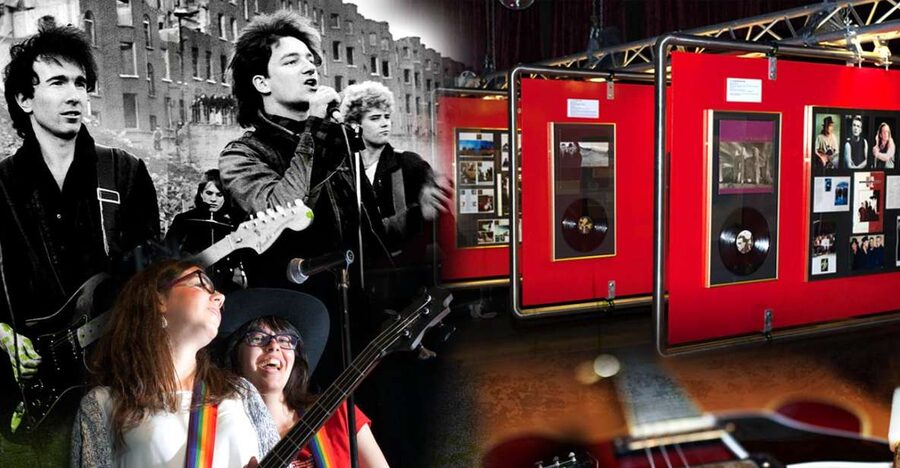
The U2 exhibition gives you another angle, with memorabilia and photographic elements tied to the band’s era and influence. And since the tour moves beyond the museum objects, you also get a sense of how those big names relate to working spaces, rehearsal rooms, and studio culture. That link between famous and functional is where a lot of the value lives.
Behind the Scenes at a Working Venue, Rehearsal Spaces, and a Recording Studio
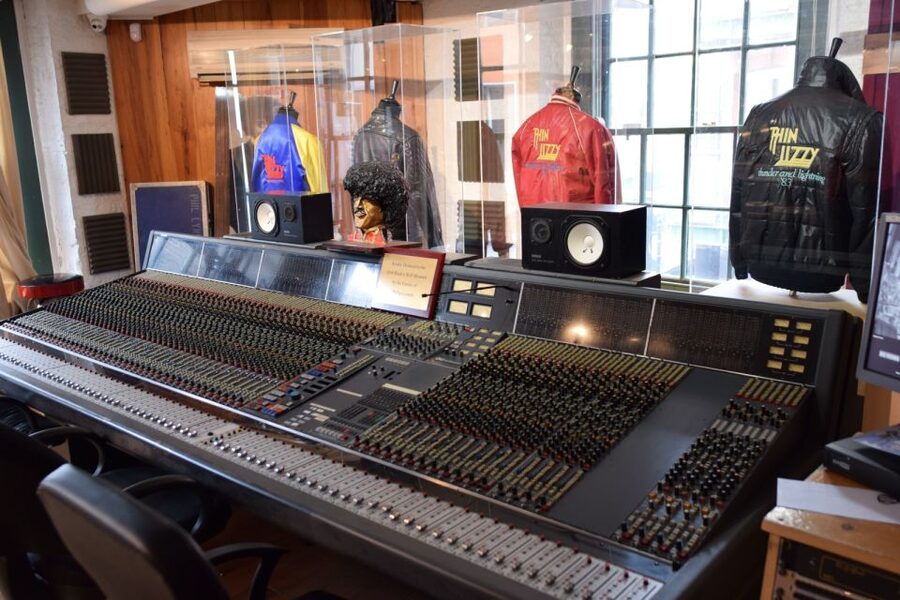
The main reason I think music lovers enjoy this tour is the mix of exhibit and access. This is not only a museum. It includes an access all areas pass to one of Dublin’s music venues, plus working rehearsal spaces and a commercial recording studio.
That access is where the tour stops feeling like a history lecture. You get to see the “in-between” that most visitors never see: the rehearsal-room workflow and the studio environment that turns songs into recordings. Even if you are not an audio nerd, you start noticing how the process shapes the final sound.
You might recognize the names from Irish and international fame, because facilities here have played host to artists like Thin Lizzy, Van Morrison, Hozier, The Script, and Sinéad O’Connor, plus many more. Knowing that these are real spaces and not set-dressing changes your mindset while you walk.
The tour also positions the museum inside a working music ecosystem. That means the story comes with context, how an Irish rock career is built through stages, not a single overnight moment.
Memorabilia and Photo Displays: What to Look For on Your Walk
The displays are built to help you connect the dots between artists and eras. On show are memorabilia connected with U2, The Pogues, The Script, and items linked to Michael Jackson. That range can feel surprising at first, but it supports the bigger point: Irish rock culture did not develop in a vacuum.
Photographic exhibitions of Irish rock stars add another layer. Photos often do what captions cannot, they make the personalities real. You get a sense of styling, era mood, and how public image and music identity grew together.
As you move through, I’d focus on three kinds of details:
- Band-specific artifacts in the big sections, especially the dedicated Thin Lizzy area.
- Context photos that show how the scene looked in different years.
- Connections across artists, where the museum layout hints at how acts influenced one another.
One more thing to keep in mind: the tour is described as having fun and interaction, not just passive viewing. So if you like learning through conversation and quick prompts, you are more likely to feel engaged throughout the whole 75 minutes.




What 75 Minutes Feels Like, and How the Guide Shapes It
The tour runs for 75 minutes, with check availability for starting times. For most people, that is a sweet spot: long enough for story and movement, short enough that you are not stuck when the Dublin weather decides to change its mind.
A big theme in the experience is the live guide. People talk about guides such as Alan and Bryan for being professional and for sharing tidbits that you would not get from a basic self-guided walk. Some guides are also praised for humor, which is a plus because rock history can turn dry fast if the storytelling is flat.
Here’s the balanced bit. One downside that comes up is that guide delivery can vary. One account notes a guide speaking quietly and slowly, and also taking a critical tone toward U2, which clearly affects the mood if you are a big fan of that band. So if you are strongly attached to either Thin Lizzy or U2, treat the guide style as part of the equation. Choosing a time when you know you will be alert helps too.
Still, most of the overall feedback points to the same outcome: you walk out feeling like you learned real stories and not just facts on a wall.
Price and Value: Is $25 Worth It?
At $25 per person for a roughly 75-minute guided tour, the price is reasonable, mainly because you are paying for access, not only exhibits. Many music museums are basically you, a route, and a few explanations. Here, you get a guided experience plus all-areas entry to venues and working spaces like rehearsal rooms and a commercial recording studio.
For value, I’d think of the experience as three parts:
- Museum storytelling in Temple Bar’s Wall of Fame setting.
- Famous-band context through the Thin Lizzy and U2 exhibitions, plus memorabilia and photos.
- Real music-space access, which is the unique selling point.
If you care about rock music and you like feeling close to creative work rather than just reading about it, this is the kind of ticket that turns a neighborhood visit into something you remember.
If you are not particularly into Irish rock, or if you only have a tiny window in Dublin, the time may feel short. But for fans of Irish music, the focus on major names and the behind-the-scenes access make the cost easier to justify.
Who This Tour Is Best For (and Who Might Skip It)

This tour is built for people who enjoy Irish Rock ’N’ Roll and want context around how artists built careers. You’ll likely get the most from it if you:
- Love rock music and want the Irish side explained clearly
- Like museums that feel like they have momentum
- Want a hands-on sense of how rehearsal and studio culture work
It also fits well if you are spending time in Temple Bar anyway. The location makes it easy to pair with other nearby sights, and the story gives you a reason to look at the area beyond the bars.
On the other hand, it may not be a fit if you:
- Need a wheelchair-friendly option, because it is not suitable for wheelchair users
- Travel with very young kids, since the tour is not suitable for children under 5
- Want a language option besides English, because guided tours are only available in English
Practical Tips So You Get the Most Out of the 75 Minutes
A couple small choices can make your experience better. First, plan to arrive a touch early at the meeting spot on Curved Street, Temple Bar (Dublin 2). You start there and the tour ends back at the same meeting point, so it is easy to plan what comes next.
Second, since video recording is not allowed, bring the kind of attention that works without filming. If you like remembering details, keep a note page open on your phone, or jot a few names as you go.
Finally, if you are a Thin Lizzy or U2 fan, go in with curiosity, not just fandom. The tour does not only celebrate, it explains. That approach is exactly why people leave saying they felt like the stories were real and not rehearsed for tourists.
Should You Book This Irish Rock ’N’ Roll Museum Tour?
Yes, if you want a short, guided, music-focused experience in the middle of Temple Bar that goes beyond a typical museum. The biggest reason to book is the combo of Thin Lizzy and U2 exhibitions with real access to music venues, rehearsal spaces, and a commercial recording studio. That mix is rare, and it is what turns the visit from trivia into an atmosphere.
Skip it if you are traveling mainly for art museums, if you need wheelchair access, or if English-only tours are a problem for your group. Also think twice if quiet, slower pacing would be frustrating for you, because guide delivery can vary.
If your idea of a great Dublin hour is music stories plus a backstage feel, this is a strong choice.
FAQ
Where does the tour start?
The tour starts at Curved Street, Temple Bar, Dublin 2.
How long is the experience?
It lasts about 75 minutes.
How much does it cost?
The price is listed as $25 per person.
Is the tour offered in English?
Yes. Guided tours are available only in English.
Is video recording allowed?
No, video recording is not allowed.
Is it suitable for young children?
No. It is not suitable for children under 5.
Is the tour wheelchair accessible?
No. It is not suitable for wheelchair users.
What is the cancellation and booking flexibility?
You can cancel up to 24 hours in advance for a full refund, and there is a reserve now, pay later option to keep plans flexible.
An Hour Out of the Rain
The Wider Dublin Pile
Elsewhere on The Ireland Traveler
Lately added to the Dublin pile
- Waterford Crystal and Kilkenny Full-Day Rail Tour from Dublin
★ 5.0 · 3 reviews - Turtle Bunbury’s Dublin: A Self-Guided Audio Tour from a Celebrated Author
★ 5.0 · 3 reviews - Cliffs of Moher and The Burren Private Tour from Dublin
★ 5.0 · 3 reviews - Dublin Full-Day Tour through Boyne Valley
★ 5.0 · 3 reviews - Rock Of Cashel And Blarney Castle Private Chauffeur Full Day Sightseeing Tour
★ 4.5 · 3 reviews - Private Irish Fusion Meal in a Modern Home in Skerries, Dublin
★ 5.0 · 3 reviews
More Museums, side by side.
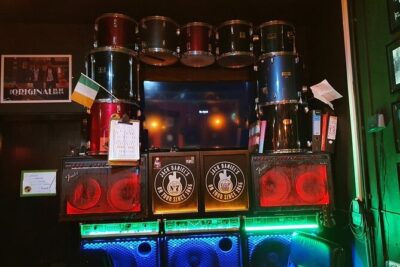 ★ 5.0Irish Rock ‘N’ Roll Museum Experience DublinFrom $266,112 reviews
 ★ 5.0The Little Museum of Dublin Famous Guided TourFrom $212,948 reviews
 ★ 4.5Dublin EPIC Museum Admission TicketFrom $251,729 reviews
 ★ 4.6Dublin: Irish Whiskey Museum Tour and Whiskey TastingFrom $22999 reviews
 ★ 4.6Dublin: EPIC Museum Entrance TicketFrom $24816 reviews
 ★ 5.0Irish Whiskey Museum: Whiskey Blending ExperienceFrom $44577 reviews
 ★ 4.6Dublin: Irish Whiskey Museum Blending Tour with TastingsFrom $34378 reviews
 ★ 4.0Dublin: National Wax Museum Plus Entrance TicketsFrom $22367 reviews
Other lists this one is on