
REVIEW · WATERFORD
Waterford Treasures: Medieval Museum Entry Ticket
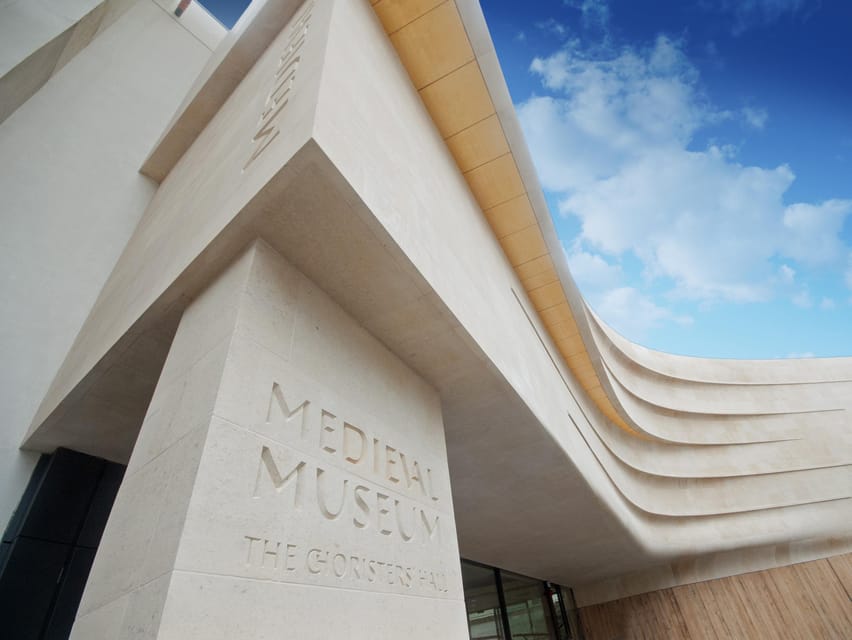
Medieval Waterford packs a lot into one visit. This ticket for the Waterford Treasures: Medieval Museum is built around a small, focused tour through undercrofts and medieval rooms, tied to the Viking Triangle and over 1,000 years of local history. I like that it is not just a hallway of artifacts, it is set in the kind of spaces medieval people would have recognized: vaults, chambers, and two undercroft areas beneath the building.
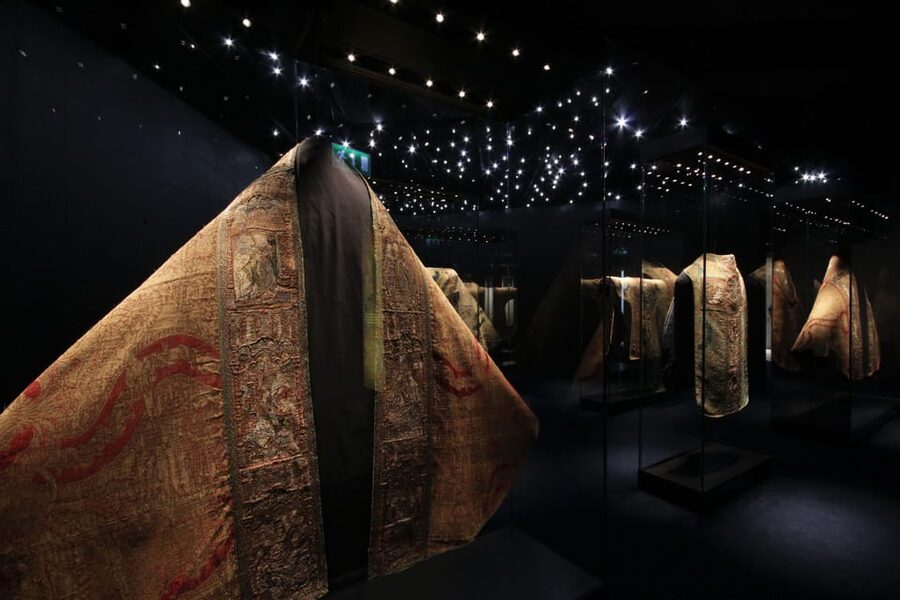
My favorite parts are the 13th-century Choristers Hall (1270) and the 15th-century wine vault (1440). I also really appreciate seeing standout treasures like the 15th-century cloth-of-gold church vestments and the Great Charter Roll, which has been viewed by HM King Charles III and the Queen Consort.
One thing to consider is the guided experience. The ticket includes a guided tour only if available, and if you end up without a guide, you’ll be relying on the self-guided route instead.
In This Review
- Key highlights you’ll feel right away
- Price and time: is it good value at about $15?
- First steps at the reception desk: how to start smoothly
- The medieval undercrofts: the building’s big selling point
- Choristers Hall (1270): when you want medieval life, not just objects
- The wine vault (1440): a quiet room with a strong purpose
- 13th and 15th century vaults: why the architecture matters
- The treasures: cloth-of-gold vestments and the Great Charter Roll
- The Viking Triangle and the 1,000-plus years thread
- Guided tour included, subject to availability: how to handle that uncertainty
- Where to eat after: Bishops Palace Café nearby
- Best for: who will enjoy this most?
- Should you book Waterford Treasures: Medieval Museum Entry?
- FAQ
- How long does the Medieval Museum entry take?
- How much is the ticket?
- Is there a guided tour included?
- What should I do when I arrive?
- Is self-guided time included?
- What does the ticket include?
- What is not included with the ticket?
- Is the museum wheelchair accessible?
- Can I cancel for a refund?
- How do I book if my plans are flexible?
Key highlights you’ll feel right away
- Two ancient undercrofts inside one purpose-built medieval museum building
- Choristers Hall (1270) with a strong sense of what daily life sounded like, even if you only read the exhibits
- Wine vault (1440) that frames medieval storage and craft in a very visual way
- Cloth-of-gold church vestments that give you an instant lesson in medieval wealth and skill
- Great Charter Roll tied to modern royal attention, so the past connects to the present
- Guided tour included subject to availability, so plan to enjoy both guided and self-guided options
The Viking Triangle and the Greenway, continued
- House of Waterford Crystal Guided Factory Tour★ 4.5 · 2,303 reviews
- Skip the Line: Hook Lighthouse Entrance Ticket and Guided Tour★ 5.0 · 470 reviews
- Waterford: House of Waterford Factory Tour★ 4.8 · 256 reviews
- Waterford Treasures: Epic Walking Tour★ 4.5 · 152 reviews
Price and time: is it good value at about $15?
For roughly $15 per person and a scheduled visit window of about 45 minutes (with starting times you’ll need to check), this is a practical choice when you want medieval Waterford without burning half a day. The pacing is tight, which is good news if your day already includes other stops in Waterford. You get a concentrated dose of highlights rather than a slow wander that eats your schedule.
I also think the value improves if you enjoy theme-based museums. This one is designed around medieval spaces and specific rooms, like the Choristers Hall and wine vault, rather than a general catch-all history museum. That focus makes the artifacts easier to understand because you are seeing them in the kind of architecture that matches their era.
If your goal is a deep, hour-by-hour guided explanation with a dedicated person, keep expectations flexible. Since the guided tour is subject to availability, you might want a self-guided plan in your head.
First steps at the reception desk: how to start smoothly
Your visit starts at the Reception desk at the Medieval Museum. The staff can talk you through whether a guided tour is running and help you begin the self-guided experience if needed.
Here is how I’d handle it so you avoid stress. Walk in, ask whether a guide is available for your time slot, then pivot fast. If no guided tour is running, you still get into the museum spaces right away and can keep moving at your own pace. This matters because you only have about 45 minutes for the full ticket experience.
It also helps to have one or two priorities in mind before you go in. For many people, it is the cloth-of-gold vestments or the Great Charter Roll. For others, it is the undercrofts and the medieval chambers. If you know what you want to see, you’ll enjoy the route more, even if the guide situation changes.
The medieval undercrofts: the building’s big selling point
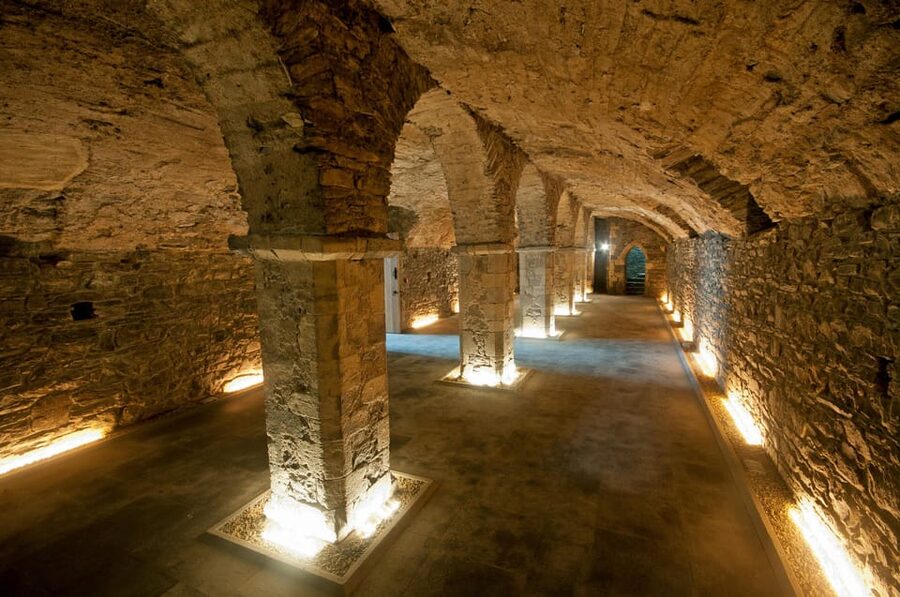
The Medieval Museum is Ireland’s only purpose-built medieval museum, and it uses a clever physical idea: it is the only building on the island that incorporates two ancient undercrofts. That is not just a design detail. It shapes the whole feeling of the visit.
Undercrofts are one of those things that look simple on a brochure but land emotionally in person. They create a sense of being below the street level, which makes medieval history feel less like a book and more like a lived place. Even if you only spend part of your time down there, it changes how you interpret what comes next.
As you start your tour in the undercrofts, you’re also setting your mental timeline. You are moving through medieval layers that connect to Waterford’s long story, including the earlier Viking presence that is linked to the Viking Triangle visit portion of the experience.
Choristers Hall (1270): when you want medieval life, not just objects
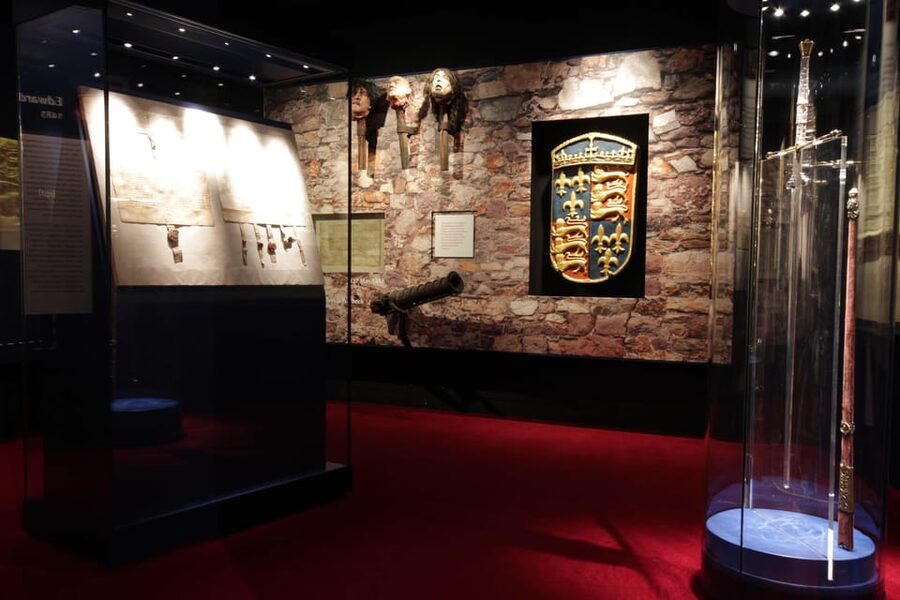
The tour includes the 13th-century Choristers Hall (1270). This is one of those stops that makes you slow down because it gives a specific function to the past. Instead of only seeing what survived, you get a better sense of what people might have done there.
A hall like this also helps you understand medieval sound and routine, since choristers would have been part of church life. The exhibits around the space help you connect the architecture to human activity. If you enjoy religious history, church art, or medieval daily routines, this is likely to be one of your favorite rooms.
Practical tip: in a short visit, rooms like Choristers Hall can feel crowded with information. Give yourself permission to focus on key items and read what really grabs you, instead of trying to absorb everything at once.
More Irish history taken at walking pace

The wine vault (1440): a quiet room with a strong purpose
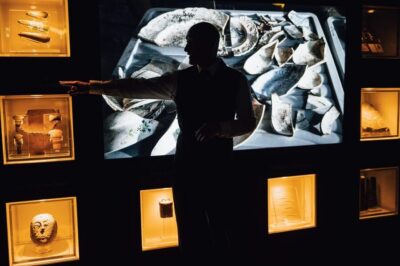
Next up is the wine vault (1440), described as a 15th-century under-vault space within the museum’s medieval layout. Wine storage might sound like a random detail, but it’s actually a strong entry point into how medieval communities planned, traded, and preserved goods.
This room can be especially satisfying if you like seeing history through practical everyday functions. Not every medieval artifact has to be religious or royal to be meaningful. Storage spaces tell you about supply chains, household planning, and the importance of keeping supplies stable.
It also balances the church-linked imagery of other highlights. One minute you are thinking about cloth-of-gold church vestments and the role of religion in status, and then you are looking at how goods were kept and managed in a very utilitarian space.
13th and 15th century vaults: why the architecture matters
The highlights mention 13th and 15th century vaults, and this is where the museum’s design really earns its keep. A lot of museums show you artifacts. This one also tries to show you context, through the building’s layout and the specific medieval spaces.
Vaults do two useful things for your understanding. First, they visually communicate medieval engineering and construction style. Second, they create an atmosphere that matches the period. Even if you never learn every technical term, you feel the era more than you would in a modern gallery.
If you’re short on time and deciding between this and something else in Waterford, this architectural focus is a major reason to choose it. You’re not just collecting facts, you’re training your eye on what medieval spaces felt like.
The treasures: cloth-of-gold vestments and the Great Charter Roll
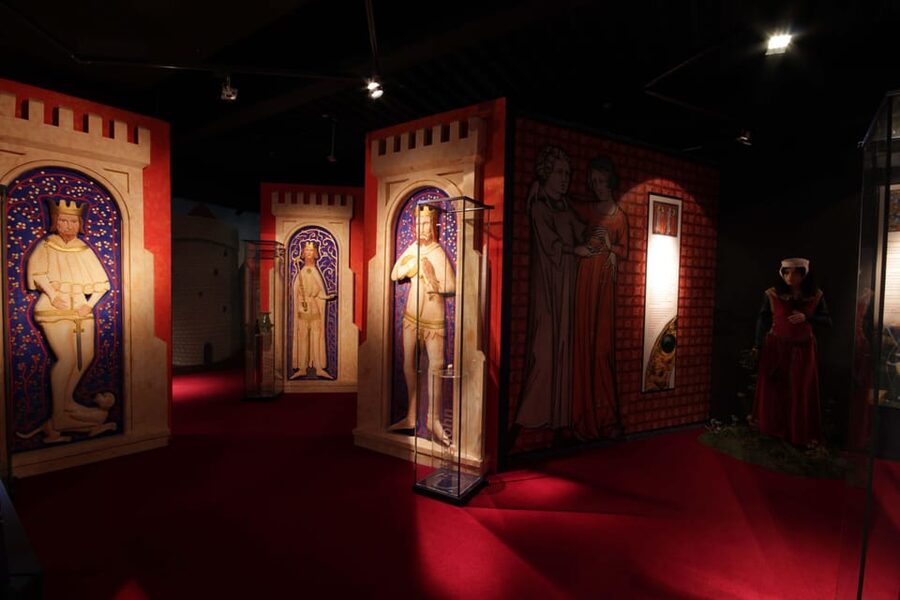
Here’s the part that most people come for: the medieval treasures. The museum highlights include the 15th-century cloth-of-gold church vestments, and I love this kind of exhibit because it is a fast lesson in medieval craftsmanship. Cloth-of-gold is visually loud in the best way, and it helps you grasp how church art and status connected.
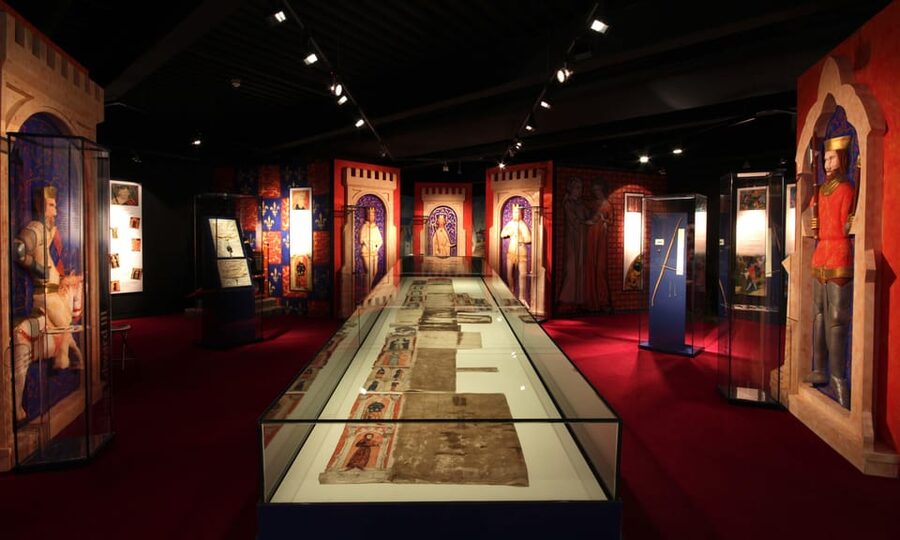
Then there’s the Great Charter Roll, which is noted as being viewed by HM King Charles III and the Queen Consort. That detail matters because it adds a modern reference point. You are not only looking at something old, you are seeing proof that these objects still carry weight today.
When you see items like this in a purpose-built medieval setting, you’re more likely to notice the contrast between what is spiritual, what is political, and what is purely artistic. The artifacts don’t exist in isolation, and the museum layout supports that idea.
Quick move tip: before you step into the treasure-focused sections, glance at what else is nearby so you can avoid zig-zagging. With a visit length around 45 minutes, you want a simple route that keeps you from missing a main highlight.
The Viking Triangle and the 1,000-plus years thread
The experience includes a Viking Triangle component and frames the story across over 1,000 years of history. That is a smart approach, because it prevents medieval Waterford from feeling like a single isolated moment.
If you already know Waterford has older layers, this part helps you connect them. If you don’t know the backstory, it gives you an easy timeline anchor: Vikings early on, then medieval Waterford building out its identity across centuries.
In other words, you’re not just “looking at medieval stuff.” You’re getting a route through the big eras that shaped the city.
Guided tour included, subject to availability: how to handle that uncertainty
The ticket includes a guided tour, but it is subject to availability. That’s not unusual for smaller museum experiences, but it does change what to do when you arrive.
If you want the guided version, do this at the reception desk: confirm whether a guide is available for your entry time, then ask when the next guided group might start. If they can’t place you into a guided tour, don’t stand around. Start the self-guided route right away so you still get your money’s worth of time in the undercrofts and chambers.
This also matters because there has been at least some confusion around people expecting a guide and not seeing one. The best defense is simple: get your guide status confirmed fast, and adjust your plan immediately.
Self-guided works here because the museum is built around specific rooms. Even without a guide, you can still follow the spaces and see the major treasures, including the cloth-of-gold vestments and Great Charter Roll.
Where to eat after: Bishops Palace Café nearby
Meals and drinks are not included, but the information points you to Bishops Palace Café for food options. If you’re pairing this with other Waterford sights, plan to eat after your museum time, not during it. With only about 45 minutes for the experience, you’ll keep things smooth by treating this museum visit as its own focused stop.
Best for: who will enjoy this most?
This is a good match if you like:
- Medieval architecture and the feeling of a real medieval room, not just flat displays
- Short, focused museum visits that fit into a busy travel day
- Highlights like the cloth-of-gold vestments and document-style artifacts like the Great Charter Roll
It might be less satisfying if you want:
- A long, slow guided lecture that runs beyond an hour
- A guaranteed guide every time regardless of schedule
If you’re traveling with limited time in Waterford, I think you’ll appreciate how much you can cover without needing a full half-day commitment.
Should you book Waterford Treasures: Medieval Museum Entry?
Yes, if you want a compact, medieval-themed visit that uses real undercroft spaces and highlights major treasures like the cloth-of-gold church vestments and the Great Charter Roll. The value is strongest for travelers who enjoy architecture, small museums, and clear room-to-room storytelling.
Book it with one small mindset adjustment: the guided tour is included only if available. If you arrive ready to go self-guided when needed, you’ll still get the core experience, including the Choristers Hall (1270), the wine vault (1440), the undercrofts, and the Viking Triangle context.
FAQ
How long does the Medieval Museum entry take?
The experience is listed as 45 minutes. Starting times depend on availability.
How much is the ticket?
The price is $15 per person.
Is there a guided tour included?
A guided tour is included subject to availability. If a guide is not available, you can do the self-guided experience.
What should I do when I arrive?
Go to the Reception desk at the Medieval Museum. The team will discuss guided tour availability and help you start.
Is self-guided time included?
Yes. The experience includes self-guided tour time as well as guided tours when available.
What does the ticket include?
Your ticket includes the Medieval Museum entry and a guided tour of the museum (subject to availability).
What is not included with the ticket?
Meals and drinks are not included (though Bishops Palace Café is an option). Souvenirs are not included, as well.
Is the museum wheelchair accessible?
Yes, the experience is listed as wheelchair accessible.
Can I cancel for a refund?
Yes. Free cancellation is available if you cancel up to 24 hours in advance for a full refund.
How do I book if my plans are flexible?
There is a Reserve now & pay later option, so you can book and pay later.
The Story, Told on Foot
The Ancient East, Continued
Elsewhere on The Ireland Traveler
Lately added to the Waterford pile
- Waterford: The Irish Wake Museum Guided Tour
★ 4.8 · 6 reviews - Waterford: Mount Congreve Gardens Entry Ticket
★ 5.0 · 7 reviews - Semi Private tour Rock of Cashel – Cahir castle & Kilkenny
★ 3.5 · 9 reviews - Full day Private Tour from Waterford
★ 4.5 · 14 reviews - Irelands Ancient East Waterford Greenway Cycle Tours & Bike Hire
★ 3.5 · 16 reviews - Waterford Treasures: Medieval Museum Entry Ticket
★ 4.5 · 20 reviews
More Waterford and the Ancient East, side by side.
 ★ 4.5House of Waterford Crystal Guided Factory TourFrom $222,303 reviews
 ★ 5.0Skip the Line: Hook Lighthouse Entrance Ticket and Guided TourFrom $16470 reviews
 ★ 4.8Waterford: House of Waterford Factory TourFrom $20256 reviews
 ★ 4.5Dublin to Kilkenny Castle and House Of Waterford Crystal Day TourFrom $195177 reviews
 ★ 4.5Waterford Treasures: Epic Walking TourFrom $16152 reviews
 ★ 4.5Waterford Treasures: Medieval Museum Admission TicketFrom $16132 reviews
 ★ 4.5Waterford Treasures: Bishop’s PalaceFrom $1653 reviews
 ★ 4.7Waterford Treasures: Walking Tour of the Viking TriangleFrom $1543 reviews
Other lists this one is on