
REVIEW · CORK
Cobh: Guided Historic Walking Tour
History walks right into Cobh. On this guided tour, your host brings Irish history to street level, from the potato famine to the Irish war for independence, at a steady, leisurely pace. I especially like how each moment is tied to a specific location you can stand in.
I also love that you get 16 carefully chosen stops plus Heritage Centre entry, so the stories have a place to land. Expect stops tied to ambushes, safe houses, training halls, and barracks, along with places connected to detention for Cobh republican volunteers.
The main catch is the walking. There is a small hill at the start, it is not suited for people with mobility impairments, and you will be outdoors, so pack for rain and wear comfortable shoes.
In This Review
- Key highlights to look for
- Why Cobh’s street corners matter for Irish history
- The 2-hour walking format, pace, and route flow
- Start at Cobh Heritage Centre by the quay
- 16 sites you can actually stand on
- From hiding places to training halls: what the safe-house story teaches
- Detention centers connected to the Cobh republican volunteers
- Kieran’s guiding style, and why it feels like a conversation
- What to bring for an outdoors history walk in Cobh
- Price and value: is $40 per person fair?
- Who this Cobh walking tour is best for
- Should you book Cobh Rebel Walking Tours?
- FAQ
- Where does the Cobh guided historic walking tour start?
- How long is the tour?
- What does the price include?
- What kind of sites will you visit?
- Is the tour led by an English-speaking guide?
- What pace should I expect?
- What should I bring?
- Is there any walking incline I should know about?
- Is the tour suitable for people with mobility impairments?
- What is the cancellation policy?
Key highlights to look for
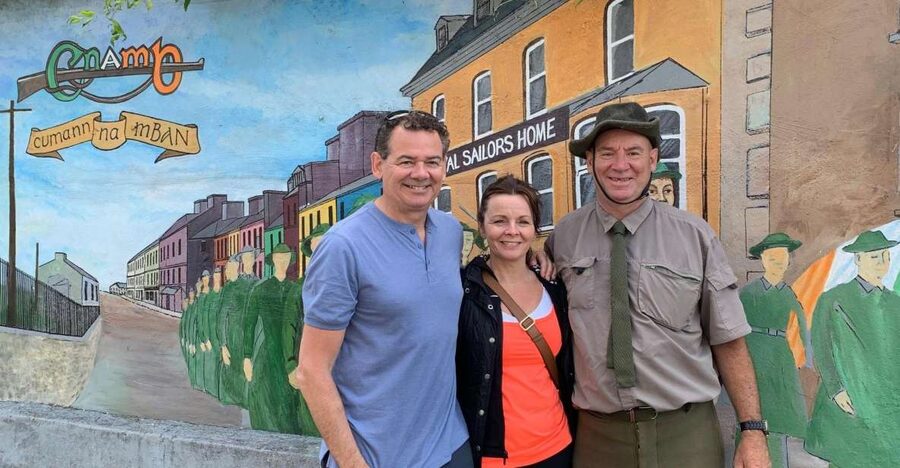
- A guide who turns facts into a chat: you get Q&A pauses and real back-and-forth, not a nonstop lecture
- 16 distinct stops: ambush sites, safe houses, training halls, and barracks, all tied to the story
- Cobh republican volunteers in focus: you also visit places connected to detention
- Kieran’s local storytelling style: English-speaking, passionate, and comfortable with deep detail and small side notes
- Heritage Centre included: start near the quay and finish where you began
- Relaxed pace: the route moves at an easy walking speed with time built in for questions
More of the last port of call
- The Queenstown Story @ Cobh Heritage Centre , Great Stories of Emigration.★ 4.5 · 181 reviews
- Visit 16 Sites Key Historical Sites And Experience Cobh Rebel Tours★ 5.0 · 167 reviews
- Cork and Blarney Castle Visit from Cobh by Train★ 4.5 · 106 reviews
- Private Tour Blarney Kinsale and Cobh Viator Badge of Excellence★ 5.0 · 51 reviews
Why Cobh’s street corners matter for Irish history
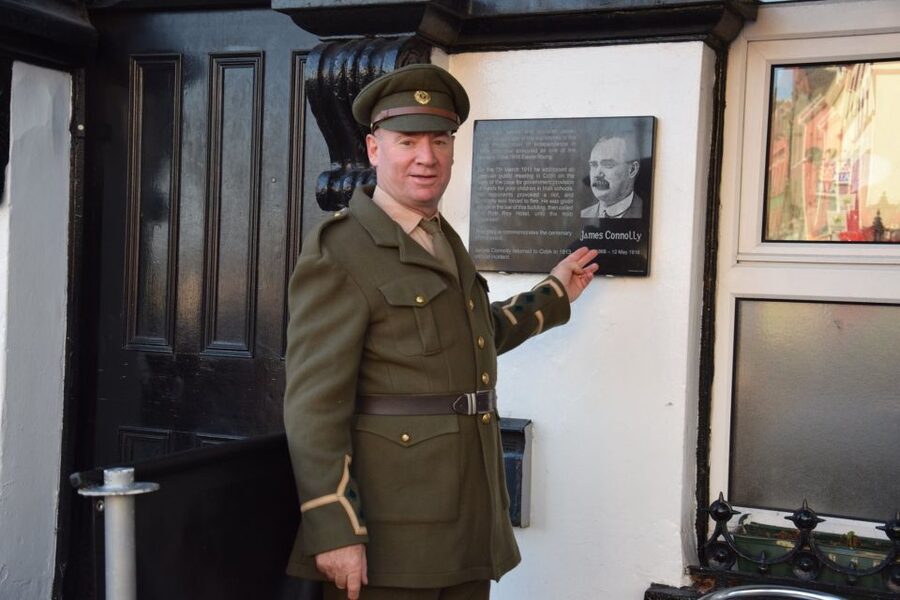
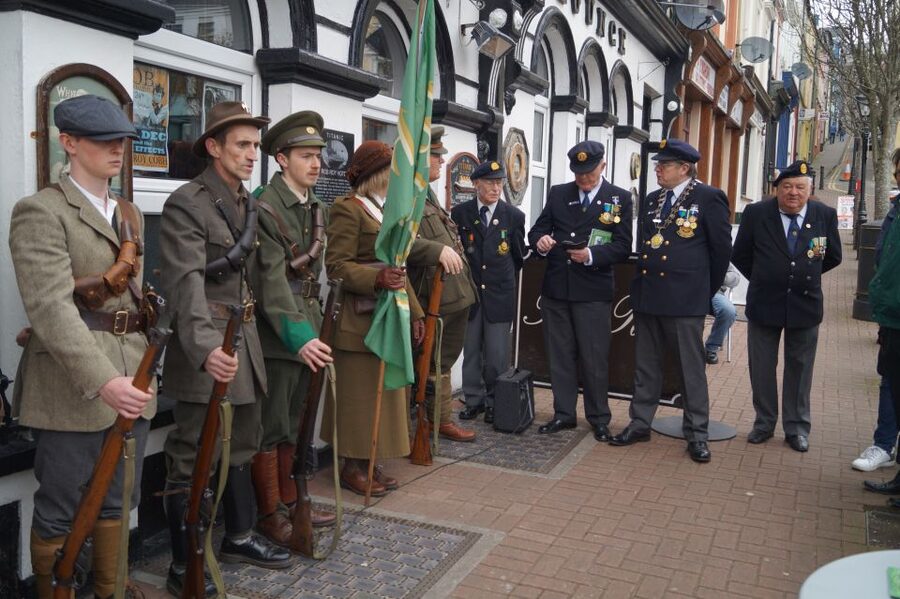
Cobh is a compact seaside town in Munster, and it makes a strong setting for a history walk. What you get here is not a generic slideshow. You are walking to the kinds of places where plans were made, people hid, and events unfolded in real physical spots.
The biggest reason this tour works is the way it connects national events to local geography. You start with stories that run from the potato famine era forward, and you keep returning to the question of how big events hit real streets and real people. That is the payoff you want from a guided walking tour: the past stops being abstract and becomes something you can point to.
I also like the scope. The tour covers Irish history across multiple eras, not just one narrow slice. If you like your history with context, this is a good fit because the guide keeps the connections moving.
The 2-hour walking format, pace, and route flow
This is a 2-hour guided walk. The pace is intentionally leisurely, with stops at each site that give you time to ask questions and talk things through.
That matters more than it sounds. A walking tour can either feel rushed, or it can feel like you are being guided through a sequence of meaningful places. Here, the rhythm is built around lingering at each stop long enough for the story to land. You are not just glancing at buildings while the guide races ahead.
You should also plan your energy for a harbor-town day. Even if the route is not listed as extreme, you will be moving on foot, and the start includes a small hill. In bad weather, that hill plus wet pavement can feel harder than you expect, so bring the right gear.
Start at Cobh Heritage Centre by the quay
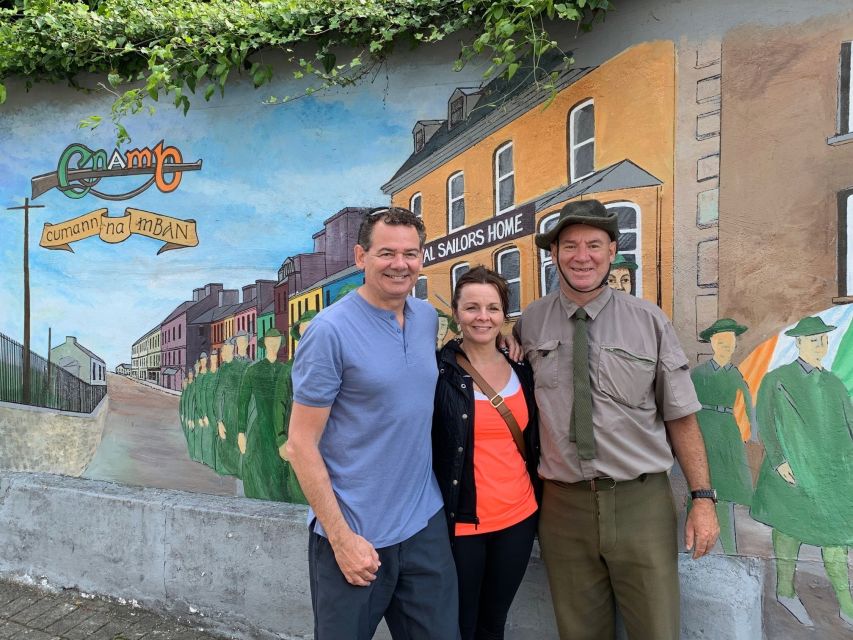
Your tour starts at the Cobh Heritage Centre, right by the quay. It is about a 2-minute walk from Cobh Railway station, which is convenient if you are arriving by train.
Starting at the Heritage Centre makes a lot of sense. You are anchored near a place designed for local history, so it is easier to understand what you are seeing as you head out into the streets. And since entrance to the Heritage Centre is included, you are not paying extra to get the context that frames the walk.
If you are the type who likes to orient fast, this is a good setup. You begin near the action, then you move into the quieter, more story-focused parts of town.
16 sites you can actually stand on
The core of the experience is 16 historical sites. The tour does not list them as a themed checklist you tick off. Instead, each stop is tied to what happened there and who was involved, so you understand why that corner matters.
You will visit sites connected with:
- Ambush sites
- Safe houses
- Training halls
- Barracks
Here is how that helps you as a visitor. When people talk about conflict, they often talk about battles. This tour broadens the view. Ambushes are only one part of the story. Safe houses and training spaces show the planning and preparation. Barracks and structured locations help you understand the organization behind the scenes.
A practical note: at each site, the guide pauses long enough for questions and discussion. If you want to go deeper, this format gives you a chance. If you prefer a more guided narrative, you can just listen and absorb without feeling pulled along.
Other Cobh walks with the wind behind you
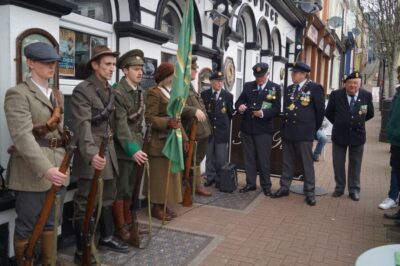
From hiding places to training halls: what the safe-house story teaches
The safe-house portion is one of the most interesting ideas in the whole route. It is one thing to learn about armed struggle. It is another to consider the everyday logistics that make it possible: who could stay quiet, who could host someone, and where people could move without being spotted.
When the guide talks about safe houses, you will likely find yourself paying closer attention to the shape of the town and how movement works in real streets. That is why this tour feels more vivid than reading alone. You start to see the practical side of history.
The same is true for training halls and barracks. Those are not just background terms. They are the infrastructure of a movement. Seeing them as categories in the tour helps you understand that the story is about preparation and persistence, not only dramatic moments.
And since the pace is leisurely, you are not stuck trying to memorize everything while walking. You can slow down at the sites, look around, and let the story connect to the place.
Detention centers connected to the Cobh republican volunteers
One of the most consequential elements of the walk is the stop for places of detention related to the Cobh republican volunteers.
Detention stories can be heavy, and this tour does not treat them like trivia. The aim is to explain impact, and to help you grasp how captivity and imprisonment fit into Irish history at the local level. Even if you know the broad outlines already, this adds an important layer: it shows how the conflict played out beyond the battlefield.
If you want a tour that covers both action and consequences, this part is a big part of the value. It is the kind of segment that tends to leave you thinking about how people lived through political struggle, not just how it was narrated later.
Kieran’s guiding style, and why it feels like a conversation
The guide for this tour is an English-speaking host, and his delivery is a major reason the tour earns strong ratings.
In particular, Kieran comes across as:
- Passionate about Cobh
- Comfortable with detailed research
- Able to keep the group engaged through questions and answers
- Ready to treat the tour as discussion, not a monologue
You will notice the difference fast. Instead of a scripted talk that never stops, the guide builds in moments for interaction. One set of stops includes related chat, and the tour’s structure leans into back-and-forth rather than constant lecturing.
Also, Kieran has a track record of written work, including two books. That matters because it usually means the guide has spent time shaping the story into something clear for a visitor, not just reciting facts.
If your goal is to learn without feeling like you are stuck in a classroom, this tour style is a good match.
What to bring for an outdoors history walk in Cobh
This is a practical, weather-aware kind of outing. The tour notes you should bring:
- Comfortable shoes
- Umbrella
- Camera
- Rain gear (a raincoat works well)
And there is a small hill at the start. That is not meant to scare you away, but it is a reminder to wear shoes with decent grip if the weather is wet. Harbor towns can turn damp quickly, and slick sidewalks make any walking feel slower and harder.
If you want to get the most out of the stops, you will also want your hands free for small adjustments like taking photos and looking closely at surroundings. A light daypack is often easier than fumbling with a bag you have to hold above puddles.
Price and value: is $40 per person fair?
The price is $40 per person for a 2-hour guided walk, with Heritage Centre entrance included.
Is that a lot? It depends on what you want from the experience. If you are just looking for a scenic walk, you would probably feel the price is steep. But if you care about Irish history told through specific locations, the structure makes sense.
Here is the value logic I see:
- You are getting a guided narrative across multiple periods, from famine-era context to the Irish war for independence.
- You are visiting 16 sites, which is a lot of content density for a short walk.
- You get Heritage Centre admission as part of the package, which helps you understand what you are seeing.
For history-focused visitors, that combination is a solid use of time. For casual walkers who want minimal talking, it may feel more intense than expected, because the tour is built around story and historical interpretation.
Who this Cobh walking tour is best for
This works especially well if you:
- Like history with local detail and real places to match the story
- Want a clear, guided overview of Irish history in the Cobh setting
- Prefer a relaxed walking pace with room to ask questions
- Enjoy military and conflict history, including organization, hiding, and detention
It is not a fit if mobility limits make walking tours difficult. The tour explicitly notes it is not suitable for people with mobility impairments, and it includes a small hill at the start.
If you are traveling with a mix of interests, I would still suggest this tour for the history buff in your group, and then plan something lighter afterward for everyone else. The good news is that the tour ends where it starts, so it is easy to keep your day flexible.
Should you book Cobh Rebel Walking Tours?
Book it if you want Irish history that actually uses the town as the textbook. This tour is built around 16 concrete stops, it includes Heritage Centre entrance, and the guide style leans into conversation, not a lecture you forget five minutes later.
Skip it or think twice if you dislike outdoor walking, if wet weather bothers you a lot, or if mobility is an issue. The hill at the start and the overall walking time matter.
If you are in Cobh for a short stay and want one activity that gives real meaning to the streets, this is a strong choice. It turns Cobh from a dot on the map into a place with stories you can revisit in your head long after you head back to the quay.
FAQ
Where does the Cobh guided historic walking tour start?
The tour starts at the Cobh Heritage Centre, located by the quay side. It is about a 2-minute walk from Cobh Railway station.
How long is the tour?
The duration is 2 hours. Starting times vary, so you should check availability for the schedule.
What does the price include?
The price includes entrance to the Heritage Centre, Cobh.
What kind of sites will you visit?
You will visit 16 historical sites, including ambush sites, safe houses, training halls, and barracks. You will also visit places of detention connected to the Cobh republican volunteers.
Is the tour led by an English-speaking guide?
Yes. The guide is listed as English.
What pace should I expect?
The tour proceeds at a leisurely pace, with stops at sites and buildings that allow time for questions and answers and related chat.
What should I bring?
Bring comfortable shoes, an umbrella, a camera, and rain gear. A raincoat is also recommended.
Is there any walking incline I should know about?
Yes, there is a small hill at the start of the tour.
Is the tour suitable for people with mobility impairments?
No. The tour is not suitable for people with mobility impairments.
What is the cancellation policy?
You can cancel up to 24 hours in advance for a full refund.
The Wider Cobh Pile
- Shore Excursion From Cork: Including Blarney Castle and Kinsale
- Titanic Trail Guided Walking Tour Cobh
- Visit 16 Sites Key Historical Sites And Experience Cobh Rebel Tours
- (Small Group) Shore Tour from Cork: Blarney Castle & Jameson Distillery
- Private Tour Blarney Kinsale and Cobh Viator Badge of Excellence
The Last Port of Call
Elsewhere on The Ireland Traveler
Lately added to the Cobh pile
- From Cork: Guided Shared Shore Excursion
★ 4.7 · 6 reviews - Private Tour , Blarney Castle, jameson Distillery and Cobh.
★ 5.0 · 8 reviews - Full Day Private Tour of Jameson Whiskey, Blarney Castle & Cobh
★ 5.0 · 11 reviews - Cobh cruise excursion, Blarney, Cork & Kinsale. Car or Minibus.
★ 4.5 · 13 reviews - Cobh: 3-Hour Cultural Tour Plus
★ 4.9 · 31 reviews - Cobh: Guided Historic Walking Tour
★ 4.6 · 32 reviews
More Cobh and the Titanic Trail, side by side.
 ★ 4.5Dublin to Cork, Blarney Castle & Cóbh Heritage Centre by trainFrom $195510 reviews
 ★ 5.0Cobh (Cork) to Blarney Castle & Kinsale – Shore ExcursionFrom $95504 reviews
 ★ 5.0Titanic Trail Guided Walking Tour CobhFrom $36253 reviews
 ★ 4.5The Queenstown Story @ Cobh Heritage Centre , Great Stories of Emigration.From $18181 reviews
 ★ 5.0Visit 16 Sites Key Historical Sites And Experience Cobh Rebel ToursFrom $42167 reviews
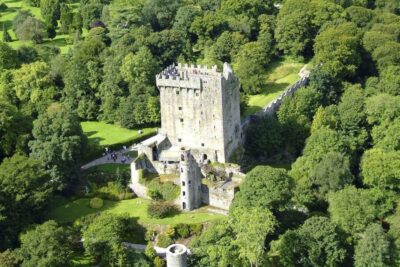 ★ 4.4Dublin: Full-Day Tour to Cork, Cobh and Blarney CastleFrom $158155 reviews
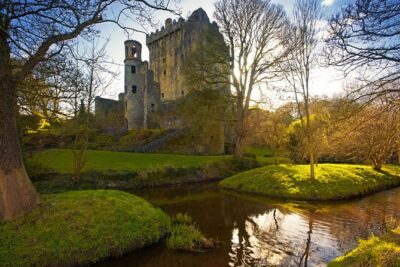 ★ 4.5Cork and Blarney Castle Visit from Cobh by TrainFrom $122106 reviews
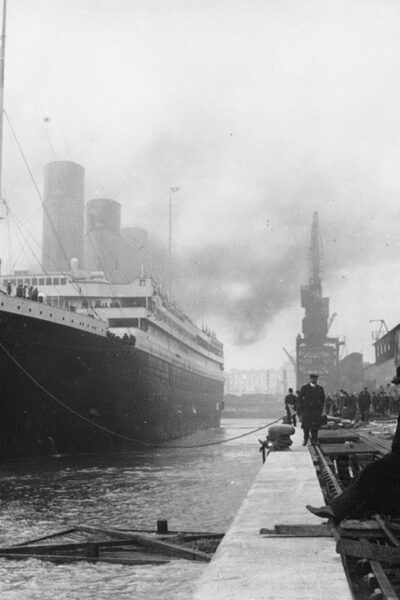 ★ 4.8The Titanic Trail: 1-Hour Guided Walking Tour of CobhFrom $2678 reviews
Other lists this one is on