
REVIEW · CORK
The Queenstown Story @ Cobh Heritage Centre , Great Stories of Emigration.
A station full of stories, and tissues. I loved the skip-the-line entry into the restored Victorian railway station at Cobh Heritage Centre, and I also liked the follow-an-emigrant approach that guides you through Ireland’s emigration story across centuries. One possible drawback: once you walk in, it’s mostly self-guided, so you’ll be doing some reading and screen watching, even if you move at a good pace.
For about $18.15 per person, you’re set up for roughly 1 to 2 hours exploring Irish emigration, including the Great Famine, plus Cobh’s place in Ireland’s maritime and military story. It’s offered in English, and you can use a mobile ticket, which matters when you’re on a dockside timetable.
This is a small-footprint visit too, with a maximum group size of 40. Most people tend to linger around the 90 to 100 minute range, and you can take your time, even returning to areas the same day. If you want a snack later, there’s a cafe in the building, though food and drinks are not included in the admission.
In This Review
- Key things to know before you go
- Cobh’s Queenstown Story, set inside a restored Victorian station
- The first rooms: how the story starts and where your time goes
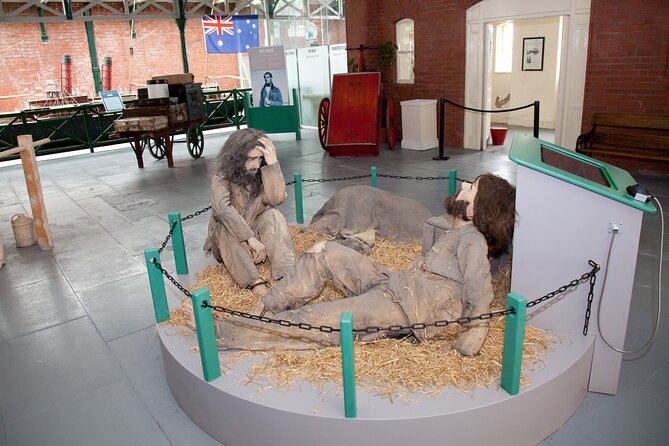
- Great Famine section: heavy subject, but it’s handled in a walk-through way
- Cobh’s port role and the ship connections people actually ask about
- Interactive touches: Morse code, posters, and why you might smile despite the sadness
- Genealogy support and Ancestry.com: great if you brought family names
- Timing it right: how long to plan and what to do if you finish early
- Price and skip-the-line value, especially if crowds hit
- Where it sits in Cobh, and how to pair it with a waterfront walk
- Should you book the Queenstown Story at Cobh Heritage Centre?
- FAQ
- Where is the Queenstown Story @ Cobh Heritage Centre start point?
- How long should I plan for the visit?
- What are the opening hours for 2026?
- Do I get skip-the-line access, and is the tour in English?
- Is food or drink included with admission?
- Are service animals allowed?
- Can I cancel for a full refund?
Key things to know before you go
- Skip-the-line entry gets you inside fast, ideal when crowds form near the waterfront.
- Victorian railway station setting adds atmosphere before you even hit the first display.
- Emigration timeline from the 1600s onward ties Irish departures to the places people settled.
- Great Famine coverage is a major thread, not a small side panel.
- Titanic and Lusitania connections show up, but the museum isn’t only about ships.
- Family history help may be available, including a genealogy consultant and access to Ancestry.com.
More of the last port of call
- The Queenstown Story @ Cobh Heritage Centre , Great Stories of Emigration.★ 4.5 · 181 reviews
- Visit 16 Sites Key Historical Sites And Experience Cobh Rebel Tours★ 5.0 · 167 reviews
- Cork and Blarney Castle Visit from Cobh by Train★ 4.5 · 106 reviews
- Private Tour Blarney Kinsale and Cobh Viator Badge of Excellence★ 5.0 · 51 reviews
Cobh’s Queenstown Story, set inside a restored Victorian station
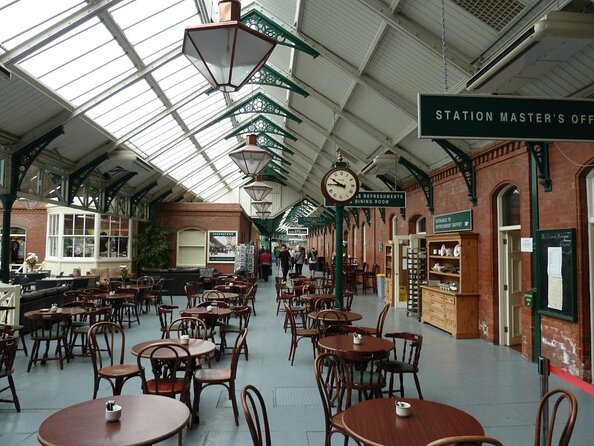
Cobh has that dockside feeling where you can almost hear footsteps from long ago. The Queenstown Story lives in the Cobh Heritage Centre, inside a beautifully restored Victorian railway station. Even before the museum starts telling you anything, the building gives you the right tone, tall ceilings and old-stone character that make the story feel grounded.
What I like most is that this is not just a slideshow. It’s designed as a guided walk through time, so you don’t bounce around randomly. You get a chronological sense of how emigration changed across centuries, and how one port town could matter to millions of departures.
The first rooms: how the story starts and where your time goes
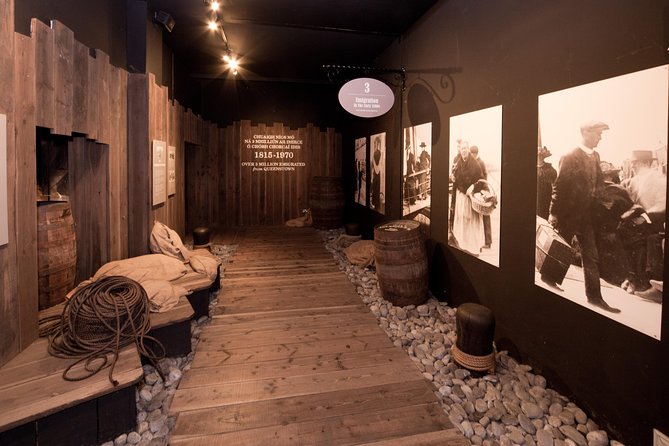
The visit begins in the 1600s, when Irish emigrants departed from this area for places like the Colonies of America and the West Indies. After that opening, you continue forward through different centuries and destinations. It’s built to make you feel like the story is moving with you, not like you’re trapped in one fixed exhibit room.
The museum uses a mix of reading, listening, and watching. A standout detail is that the experience can be built around following a named emigrant through the displays, so you’re not just looking at facts, you’re following a thread. It’s a clever way to keep attention without turning everything into a loud production.
Practical tip: go at a human pace. If you rush, you’ll miss the emotional hits, especially the sections tied to the Great Famine.
Great Famine section: heavy subject, but it’s handled in a walk-through way
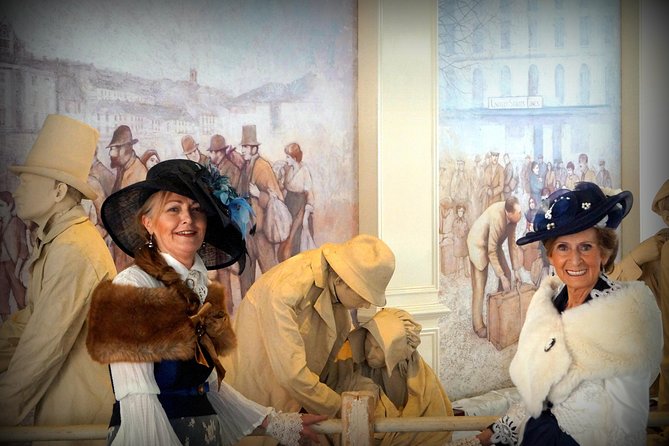
One of the major themes is the Great Famine, and it comes through as a key turning point in the emigration story. You’re not just learning that it happened, you’re seeing it as part of a wider flow of departures and destinations.
This part can land hard. That’s not the museum being dramatic. It’s that the content is about real people leaving and not knowing what would happen next. If you’re the type who likes history that connects to daily life, you’ll probably find the pacing effective.
A small consideration: because it’s self-guided, there isn’t a built-in break halfway through where someone talks you off the ledge. If you need your emotions handled with a slower pace, plan extra time or take short pauses in quieter areas.
Cobh’s port role and the ship connections people actually ask about
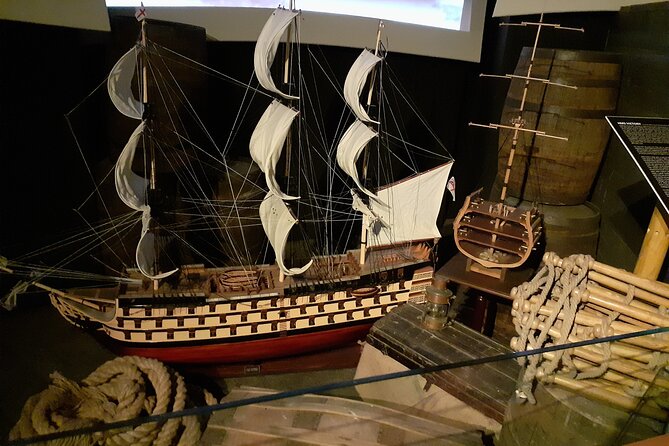
Yes, you’ll find connections to Titanic and Lusitania, and they’re presented as part of Cobh’s longer maritime story. The value is that these ship connections are not treated like the whole museum. You still get context for why Cobh mattered as a departure point, and how emigration fit into larger maritime and military threads over time.
If you’re a ship-history fan, this makes the visit more satisfying. Instead of treating Titanic as a standalone “wow” moment, you get to place it inside the bigger picture of departures from this port area. If you’re not a ship fan, you’re still getting a strong Ireland story that reaches beyond one famous disaster.


Interactive touches: Morse code, posters, and why you might smile despite the sadness
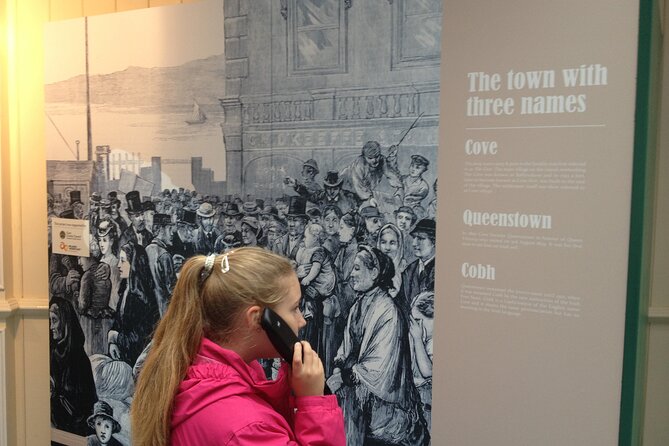
The Queenstown Story is interactive in the best low-pressure way. You’re not forced into games, but you can try things. One fun example: there’s an option to learn Morse code, which makes a very old communication method feel physical instead of abstract.
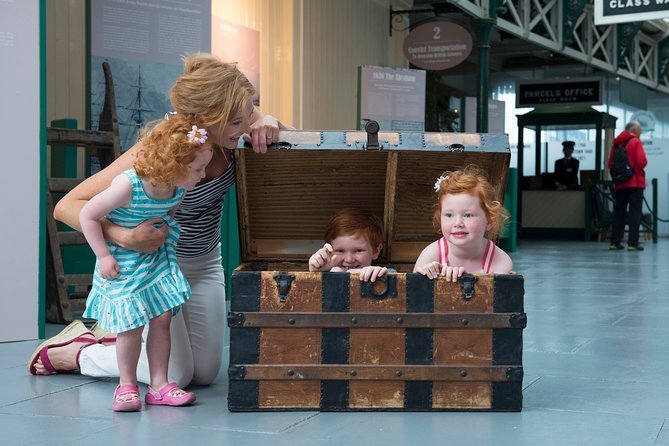
There are also interactive presentations tied to how people experienced emigration. Some parts of the museum use poster-style storytelling and other display formats, so the experience changes as you move through the rooms. That keeps the visit from becoming a wall of text.
I also appreciated the building itself. High ceilings and a heritage-station layout make it feel like you’re touring the space as much as the exhibits.
Genealogy support and Ancestry.com: great if you brought family names
If you care about family history, this place can be more than educational, it can be personal. Inside, there is a genealogy consultant and there is access to Ancestry.com. That’s the kind of extra that can turn a 1 hour museum visit into something more.
There is one thing to keep in mind. Availability can vary, so if genealogy help is your top goal, I’d treat it like a bonus rather than a guarantee. If the consultant desk is staffed when you arrive, it can be a big win, especially if you know surnames or approximate departure time periods.
If you’re coming without names, don’t stress. The museum still gives you a strong framework for how emigration unfolded from this port.
Timing it right: how long to plan and what to do if you finish early
The visit is listed at about 1 to 2 hours, and in practice I’d plan around that. In fact, many people seem to spend about 90 to 100 minutes, which lines up with what you get when you actually read and watch instead of skimming.
Good news for time control: you can stay as long as you want, and you can go back again the same day. That flexibility matters because some exhibits take longer to digest, especially the sections tied to famine and forced suffering.
When it fits best:
- Cruise day travelers: it’s extremely close to the cruise dock area, described as a short walk, even under 200 yards for some arrivals.
- Port stop with a tight schedule: skip-the-line entry can save your morning.
- Anyone who wants a museum you can pace yourself through.
If you’re on a day trip, this is one of those “start here, then explore town” experiences. You’ll leave with context for what you see outside.
Price and skip-the-line value, especially if crowds hit
At $18.15 per person, you’re paying for admission into a museum experience that blends emotional storytelling with interactive exhibits, plus a guaranteed skip-the-line entry ticket. That skip matters because port areas can get crowded, and the last thing you want is to burn time waiting when you could be inside learning.
Also, this is capped at a maximum of 40 people per tour slot, which can help keep the pace from turning chaotic. Booking can be in demand, with many people reserving about 40 days ahead on average, so it’s smart to plan rather than gamble on last-minute availability.
What you get for the money is not just “stuff on walls.” You get a structured walk through emigration history, with key events like the Great Famine and clear links to Titanic and Lusitania, all located in a heritage building that makes the experience feel real.
Where it sits in Cobh, and how to pair it with a waterfront walk
The meeting point is at Deepwater Quay, right where you want to be if you’re sightseeing by foot. After your visit, you can take that newfound context and turn it into a walk around town.
I especially like pairing it with an easy post-museum wander along the waterfront. You’ll notice the port setting differently afterward. Instead of seeing Cobh as just a picturesque stop, you start seeing it as a working departure point shaped by ships, global routes, and the difficult push of Irish history.
If you’re hungry after, there is a cafe in the Heritage Centre building, and the museum area also has gift shops. Just remember food and drinks are not included in the ticket price.
Should you book the Queenstown Story at Cobh Heritage Centre?
Book this if you want a self-guided museum that teaches Irish emigration in a way that feels personal and chronological. It’s a strong fit if you care about the Great Famine era, if you want real context around Titanic and Lusitania, or if you like interactive details like Morse code and follow-a-story exhibits.
Skip it only if you truly hate museum reading and prefer fully guided, talk-heavy tours. Since this experience is mostly self-guided after you’re inside, it works best when you’re comfortable spending time with exhibits rather than waiting for a long narration.
If you’re on a cruise stop and you want to make your time count, the skip-the-line entry and the short, realistic visit window make it an easy yes.
FAQ
Where is the Queenstown Story @ Cobh Heritage Centre start point?
You meet at The Queenstown Story @ Cobh Heritage Centre, Deepwater Quay, Ringmeen, Cobh, Co. Cork, P24 CY67, Ireland.
How long should I plan for the visit?
Plan on about 1 to 2 hours.
What are the opening hours for 2026?
For 2026, it is open daily from 9:30 AM to 4:00 PM (Monday through Sunday).
Do I get skip-the-line access, and is the tour in English?
Yes, you get a skip-the-line entry ticket, and the experience is offered in English. It is also provided as a mobile ticket.
Is food or drink included with admission?
No. Food and drinks are not included.
Are service animals allowed?
Yes. Service animals are allowed.
Can I cancel for a full refund?
Yes. You can cancel up to 24 hours in advance for a full refund. Cancellation made less than 24 hours before the start time is not refundable.
The Last Port of Call
Elsewhere on The Ireland Traveler
Lately added to the Cobh pile
- From Cork: Guided Shared Shore Excursion
★ 4.7 · 6 reviews - Private Tour , Blarney Castle, jameson Distillery and Cobh.
★ 5.0 · 8 reviews - Full Day Private Tour of Jameson Whiskey, Blarney Castle & Cobh
★ 5.0 · 11 reviews - Cobh cruise excursion, Blarney, Cork & Kinsale. Car or Minibus.
★ 4.5 · 13 reviews - Cobh: 3-Hour Cultural Tour Plus
★ 4.9 · 31 reviews - Cobh: Guided Historic Walking Tour
★ 4.6 · 32 reviews
More Cobh and the Titanic Trail, side by side.
 ★ 4.5Dublin to Cork, Blarney Castle & Cóbh Heritage Centre by trainFrom $195510 reviews
 ★ 5.0Cobh (Cork) to Blarney Castle & Kinsale – Shore ExcursionFrom $95504 reviews
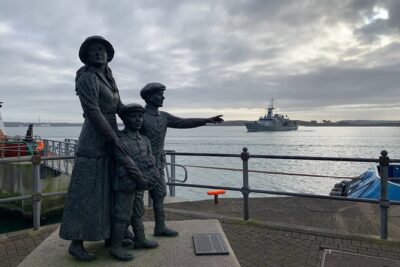 ★ 5.0Titanic Trail Guided Walking Tour CobhFrom $36253 reviews
 ★ 5.0Visit 16 Sites Key Historical Sites And Experience Cobh Rebel ToursFrom $42167 reviews
 ★ 4.4Dublin: Full-Day Tour to Cork, Cobh and Blarney CastleFrom $158155 reviews
 ★ 4.5Cork and Blarney Castle Visit from Cobh by TrainFrom $122106 reviews
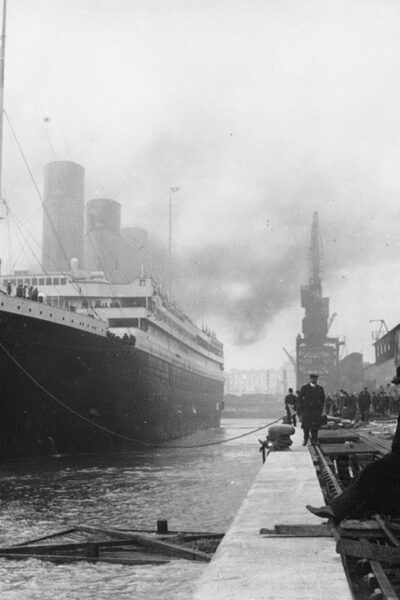 ★ 4.8The Titanic Trail: 1-Hour Guided Walking Tour of CobhFrom $2678 reviews
 ★ 4.0Blarney Castle Tour from Cork including CobhFrom $6370 reviews
Other lists this one is on