
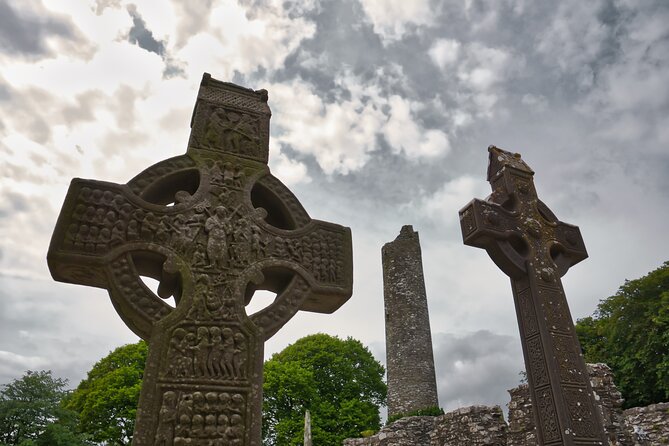
REVIEW · BOYNE VALLEY
From Dublin: Private Tour to Hill of Tara, Trim Castle and more
One day, four eras, one story. This private Boyne Valley experience is built around Owen, a fully qualified guide who lives in Drogheda, so the history comes with local detail and vivid storytelling. I like that you get chauffeured in a Jaguar limousine and set the pace, not a rushed “follow the herd” schedule.
Here’s the trade-off to note: each main site is about 45 minutes, so if you want to linger for hours at one place, you’ll need to supplement with a separate visit later. Also, coffee or lunch isn’t included, so plan snacks or budget a stop.
In This Review
- Key highlights you should care about
- The value of a private Boyne Valley day from Dublin
- Planning your morning: the 8-hour pace and what it means
- Stop 1: Hill of Tara, ancient power and modern views over Meath
- Stop 2: Hill of Slane and the Paschal fire story
- Stop 3: Bective Abbey, a Cistercian monastery ruin with quiet power
- Stop 4: Trim Castle, King John’s keep and Anglo-Norman scale
- How the guide makes the day feel personal, not scripted
- What to bring for a smooth, weather-proof day
- Who this private Dublin to Boyne Valley tour is best for
- Should you book it?
Key highlights you should care about
- A local guide based in the Boyne Valley who turns ancient sites into real scenes
- Private, flexible chauffeuring in a Jaguar limousine with you calling the pace
- Core stops with free admission at Hill of Tara, Hill of Slane, and Bective Abbey
- Trim Castle access with practical walkways inside the keep, not just a quick glance
- Newgrange ticket help when possible, since Owen can arrange tickets in advance
- Mobile ticketing so you are not hunting paper confirmations in the morning rain
More passage tombs and old high kings
- Celtic Boyne Valley & Ancient Sites Day Tour From Dublin★ 4.5 · 865 reviews
- Dublin: Boyne Valley with Newgrange and Bru Na Boinne Entry★ 4.7 · 635 reviews
- From Dublin: Celtic Boyne Valley and Ancient Sites Tour★ 4.5 · 618 reviews
- Dublin to Newgrange, Monasterboice Small Group Guided Tours★ 4.5 · 500 reviews
The value of a private Boyne Valley day from Dublin
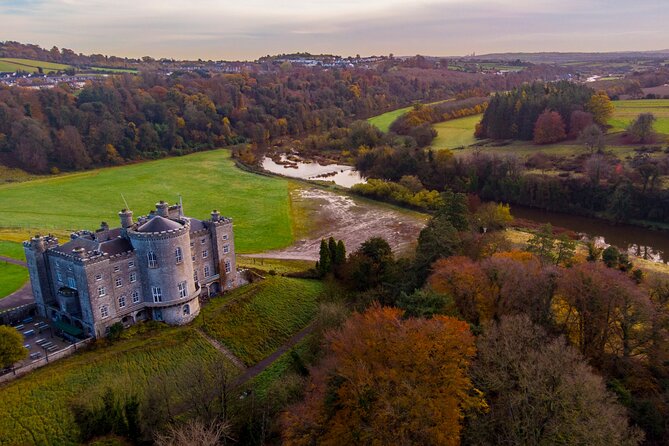
If your Ireland trip is already crammed, this is the kind of day that saves you. One booking gets you out of Dublin early, into the Boyne Valley, and back again, with a guide who can explain what you are looking at while you are looking at it. You are not just collecting photos, you are getting the “why” behind the stones.
I also like the practical feel of this tour. Owen lives in Drogheda, right in the region, so you’re not hearing generic textbook talk. He tells stories with names, dates, and connections, and he keeps the day moving in a way that makes sense for real people standing in real weather.
And yes, the Jaguar limousine matters. Not because it’s fancy for its own sake. It’s because the ride keeps you comfortable when the day is cold and drizzly, when you are switching between hills, abbeys, and castles, and when you want to spend energy on the sites instead of logistics.
Price wise, $806 is not cheap. But you are paying for private door-to-door transport, a qualified guide, and admissions for the sites on the day. That combination is usually where value shows up for private touring, especially if you want flexibility and you’re already paying for crowded group tours or expensive taxis across multiple days.
Planning your morning: the 8-hour pace and what it means
The tour starts at 8:00 am from Dublin, and it’s about 8 hours. That schedule is a plus if you like beating the late-morning crowds. It also gives you time for the drive into County Meath, plus multiple stops without it turning into a car-only marathon.
The biggest pacing point is the time at each major stop, roughly 45 minutes. That is enough to understand the basics, walk the key areas, and ask questions. It is not enough for “slow travel” at one single site.
So here’s how you should think about it:
- If you want an organized, high-impact historic day, this pace fits well.
- If you’re a deep-archaeology type who wants to study details for hours, plan to do Newgrange or Tara again on another day, or add a dedicated longer tour.
You also want to plan your comfort. Coffee and lunch aren’t included, and the day is weather dependent. Ireland can hand you rain at any moment, and this experience specifically depends on good weather. Bring a rain layer, wear shoes you can walk in, and pack a small snack if you get hungry early.
Stop 1: Hill of Tara, ancient power and modern views over Meath
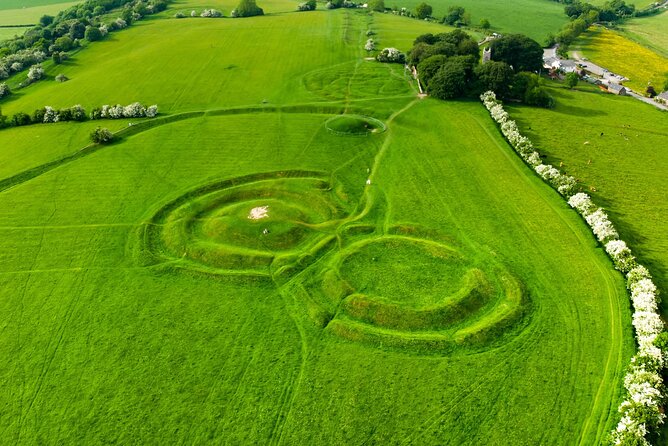
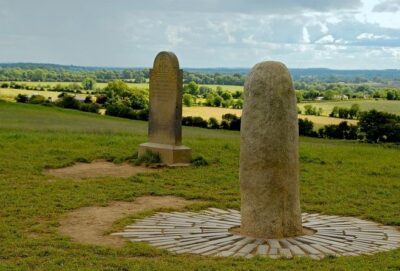
Hill of Tara is one of those places where the landscape feels like a clue. You get the sense you are standing on more than one time period at once. Tara was once the ancient seat of the High Kings of Ireland, and today you can still see the archaeological remains, including Neolithic burial mounds and tombs.
What I like about Tara for visitors is how quickly it teaches you to “read” the area. Your guide helps connect the sites to the larger story of early Ireland, including the blend of myth, ritual, and later Christian influence. You’ll also get that wide-open feeling, with views across County Meath. The tour description also mentions the sightlines that can reach toward the Mourne mountains, which is exactly the kind of detail that makes the place feel big and real, not just historical.
What to watch for in your 45 minutes:
- The burial mound and tomb layouts, which give you a sense of ceremonial planning
- The vantage points where the surrounding countryside explains why this location mattered
- The way your guide ties Celtic rituals to the later shift into early Christianity
Practical note: admission for this stop is free. So you are really paying for the guide time and transport, and that’s a good value combo.
Possible drawback: if you’re extremely sensitive to walking on uneven ground, go slow and let your guide set the rhythm. Tara is not a museum floor situation.
Stop 2: Hill of Slane and the Paschal fire story
Hill of Slane is close enough to be an easy part of the same region day, but it carries a different emotional tone. This hill connects you to both ancient legend and early Christianity.
Your guide covers the association with Sláine mac Dela, a legendary Fir Bolg king, with the belief he was buried there. Then the story pivots in the early 5th century, when Saint Patrick is said to have lit a Paschal fire on Slane, defying a pagan High King of Tara. It’s one of those moments where Irish religious history is wrapped up in a strong narrative.
There’s also the later layer: the hill later housed a monastery, founded by St. Erc, with remains of a church and tower that you can still interpret today. So you are not just hearing about a single event. You are seeing how one hillside held meaning across long stretches of time.
In your 45-minute stop, you’ll likely want to:
- Follow your guide’s explanation of why this hill mattered in the Christianity story
- Use the hilltop views to understand how messages could be seen from far away
- Notice the church and tower remains, which bring the story out of legend and into stone
Admission here is also free, which makes it easy to justify the time. This stop is especially satisfying if you like the “how religion changed the landscape” angle.
Possible drawback: it can feel windy and exposed, especially in the morning. Dress for it, not for Dublin comfort.
Other trips where the minibus is yours alone
Stop 3: Bective Abbey, a Cistercian monastery ruin with quiet power
If Tara and Slane feel mythic and hilltop, Bective Abbey feels grounded. This is a well-preserved Cistercian monastery founded in 1147 in County Meath.
The ruins are picturesque in a practical way. You can walk through the remains and get a sense of medieval monastic life: cloister space, the chapter house, and the overall layout that supported daily religious routine. The location also tends to feel tranquil, so even if the day started with rain, this stop can reset your mood.
This is the kind of site where your guide’s storytelling really earns its keep. Without context, abbeys can become just “pretty old rocks.” With context, you understand why a cloister matters, how monastic schedules shaped the buildings, and why Cistercian spaces look the way they do.
What you’ll probably enjoy most in your time here:
- Spotting the cloister and chapter house remains
- Learning what the Cistercians emphasized in their monastic setups
- Letting the quieter setting do part of the work for you
Admission is free, so again, you’re mostly paying for transportation and guide interpretation.
Possible drawback: because it’s a ruin, you won’t get interactive displays. If you prefer hands-on museums, pair this day with another stop later in your trip.
Stop 4: Trim Castle, King John’s keep and Anglo-Norman scale
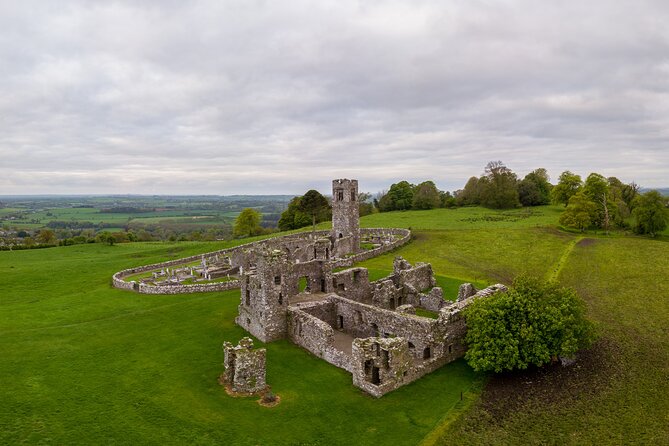
Trim is where the Boyne Valley swings into medieval power in a big way. Trim Castle is the largest Anglo-Norman castle in Ireland, and the architecture is dramatic even before your guide starts explaining it.
Look for the three-story keep and the 20-sided tower. The guide will point out how Hugh de Lacy and his successors took around 30 years to build it. That kind of time investment shows you this was serious state-building, not a quick fortress.
Trim Castle is also known as King John’s Castle. You’ll hear why: when King John visited, he preferred to stay in his tent on the other side of the river. It’s a small detail, but it helps anchor the castle to a human moment instead of abstract conquest.
What makes this stop particularly good for visitors is the interior access. Modern walkways let you look down into parts of the keep. In other words, you get more than an exterior photo. You get perspective on the scale and the vertical thinking of the structure.
After or alongside Trim Castle, your guide can also point out other medieval sights in Trim. St. Mary’s Abbey, a Franciscan abbey built in 1368, and Ireland’s oldest bridge from the early 13th century are both part of the wider Trim story, and they make great photo stops if time allows.
Admission note: Trim Castle has a ticket fee of about €5, purchased on arrival. Everything else tends to be free at the earlier stops, so it’s worth having a bit of cash or card ready.
Possible drawback: you will be walking and climbing a little bit. Not extreme, but it’s more active than standing on a hill. Wear shoes with grip, and take your time on the steps.
How the guide makes the day feel personal, not scripted
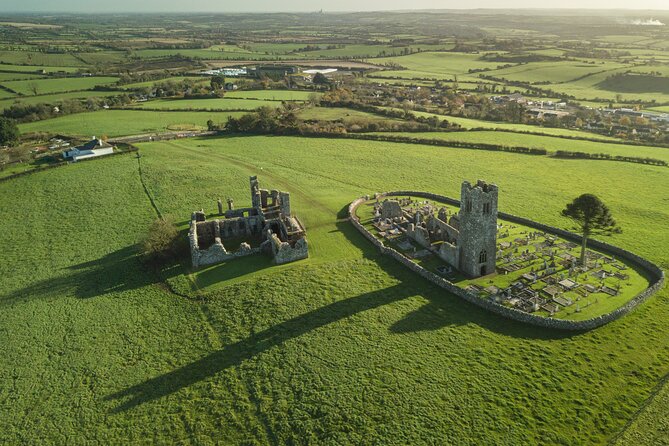
One thing that pops up repeatedly with this kind of private tour is how much the guide can adjust. With Owen, the day is flexible. He can keep the rhythm that suits you, and if something changes, he can reshape the order or the walk time so you still get value.
It’s also clear he cares about communication. In real booking conversations, quick email replies are part of the experience, including helpful answers even to little questions. That matters because Ireland days often hinge on timing, ticket availability, and weather.
A strong bonus is that Owen can help with Newgrange ticket situations in advance. Newgrange is one of the big historic draws, and the Boyne Valley is tied to UNESCO World Heritage sites through Brú na Bóinne. If Newgrange fits your dates and ticket access works out, this tour style is set up to help you handle it without stress.
There’s also the fun factor. Multiple tour notes mention good craic, plus humor. That sounds small, but it changes the day. When history gets explained with a light touch, it’s easier to remember details and enjoy the walking.
And yes, there can be a chance for a quick bite at a local bakery if the schedule allows. That’s especially welcome when you skipped lunch earlier and you don’t want to end the day hungry.
What to bring for a smooth, weather-proof day
You are starting early and spending the day outdoors in bits. Bring a rain layer even if the morning looks fine. The tour runs only when weather conditions are good, but you can still get mist, drizzle, or cold wind.
For comfort, plan for:
- Rain jacket or poncho
- A warm layer underneath
- Sturdy walking shoes
- A small snack or bottle of water (since coffee and lunch are not included)
- A charged phone for your mobile ticket, and for navigation photos
If you want to make Trim Castle extra enjoyable, consider bringing a light daypack for your basics. It will keep your hands free when you’re photographing or climbing the keep walkways.
Who this private Dublin to Boyne Valley tour is best for
This tour is ideal if you want:
- A first-timer overview of the Boyne Valley with real context
- Private comfort and control, especially if your group likes to ask questions
- A structured day that covers major highlights without planning every detail yourself
- A guide who can connect pagan-era mythology, early Christian history, and medieval power into one readable story
It also works well for families, since a private setting makes it easier to adjust walking times and keep kids or mixed-age groups comfortable. If you are traveling as a couple and you want a romantic, scenic history day with no group friction, it fits too.
If you are a hardcore archaeology student, you might want a longer, site-specific Newgrange or Tara plan. But as a high-quality sampler day from Dublin, this is a smart use of time.
Should you book it?
Book it if you value private guiding, comfort, and a smooth plan that hits the big landmarks of the Boyne Valley in one day. The combination of Owen’s storytelling, the Jaguar chauffeuring, and the mix of prehistoric sites, early Christian connections, and a major medieval castle gives you a well-rounded view without the stress of multiple bookings.
Skip it or pair it with other plans if you dislike time limits and prefer spending half a day in one place with minimal movement. Also, if your schedule is extremely tight and you are not comfortable with morning starts and outdoor conditions, it may feel like a lot.
My take: for most people planning a first Ireland trip or a Dublin base with limited time, this is the kind of private day that feels worth the price because it buys you time, guidance, and convenience in one package.
The Wider Dublin Pile
Five Thousand Years of It
Elsewhere on The Ireland Traveler
Lately added to the Dublin pile
- Waterford Crystal and Kilkenny Full-Day Rail Tour from Dublin
★ 5.0 · 3 reviews - Turtle Bunbury’s Dublin: A Self-Guided Audio Tour from a Celebrated Author
★ 5.0 · 3 reviews - Cliffs of Moher and The Burren Private Tour from Dublin
★ 5.0 · 3 reviews - Dublin Full-Day Tour through Boyne Valley
★ 5.0 · 3 reviews - Rock Of Cashel And Blarney Castle Private Chauffeur Full Day Sightseeing Tour
★ 4.5 · 3 reviews - Private Irish Fusion Meal in a Modern Home in Skerries, Dublin
★ 5.0 · 3 reviews
More Boyne Valley and Ancient Ireland, side by side.
 ★ 4.5Celtic Boyne Valley & Ancient Sites Day Tour From DublinFrom $84865 reviews
 ★ 4.7Dublin: Boyne Valley with Newgrange and Bru Na Boinne EntryFrom $96635 reviews
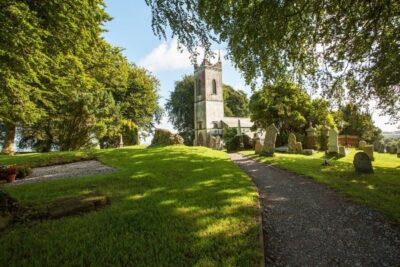 ★ 4.5From Dublin: Celtic Boyne Valley and Ancient Sites TourFrom $74618 reviews
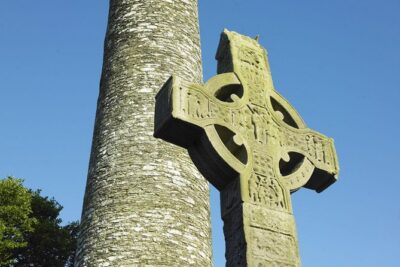 ★ 4.5Dublin to Newgrange, Monasterboice Small Group Guided ToursFrom $102500 reviews
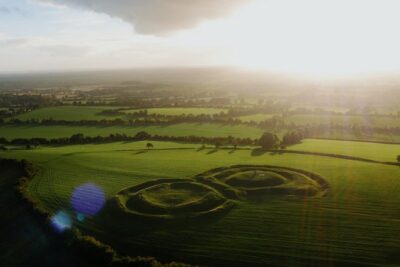 ★ 5.06 hour Half-Day Award Winning Private Tour of the Boyne ValleyFrom $67575 reviews
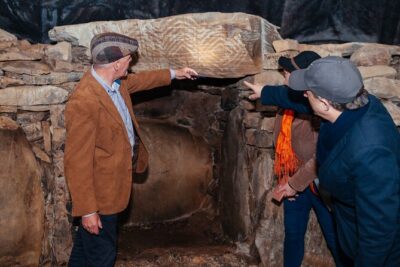 ★ 5.0Full-Day Irelands Ancient Boyne Valley Private Guided TourFrom $89836 reviews
 ★ 5.0Private Tour of Newgrange and The Hill of TaraFrom $78034 reviews
 ★ 5.0Private Luxury Tour of Newgrange and The Hill of TaraFrom $1,02021 reviews
Other lists this one is on