
REVIEW · DUBLIN
Irish Famine Museum / Exhibition Dublin
Potatoes and politics still sting in Dublin. The Irish Famine Museum exhibition at St Stephen’s Green Shopping Centre is a focused, self-guided stop that explains the Irish Potato Famine, also called the Great Hunger, using real objects and period visuals. If you want a museum visit that is serious without being exhausting, this one hits the sweet spot in about an hour.
I love the practical setup, especially the mobile ticket you get in advance so you can skip the entrance lines and start reading right away. I also like that the presentation includes a short 15-minute documentary, which breaks up the posters and makes the story feel more immediate. The main drawback to plan around is that part of the experience is not climate controlled, so the film area can feel uncomfortably warm.
In This Review
- Key takeaways before you go
- St Stephen’s Green Shopping Centre location makes the museum easy to fit in
- One hour that keeps the focus on the story, not the logistics
- Mobile ticket plus self-guided flow: how to make it smooth
- What you actually see upstairs: artifacts, photos, and period newspapers
- The 15-minute documentary film, and how to use it without rushing
- Rare aerial views of St Stephen’s Green park: a clever way to anchor the story
- Translation guide options: helpful if you want to read along
- Comfort and pacing notes you should plan around
- Price and value: is $18.15 worth it for an hour?
- Who should book this Dublin Irish Famine Museum exhibition
- Practical timing: seasonal opening hours in 2026
- Should you book the Irish Famine Museum in Dublin?
- FAQ
- How long does the Irish Famine Museum exhibition take?
- Is the experience guided or self-guided?
- Do I need to buy a ticket in advance?
- What languages are available for the translation guide?
- Is there a documentary or video as part of the exhibition?
- When is the exhibition open?
- What is the cancellation policy?
Key takeaways before you go
- Skip the door wait with an admission ticket bought ahead, delivered as a mobile ticket
- A self-guided layout where you control the pace, instead of marching with a group
- A short documentary film around 15 minutes to add motion and context
- 19th century photos and newspapers, plus tangible objects like an original soup pot
- Rare aerial views of St Stephen’s Green park, a clever visual bridge from past to present
More Irish history taken at walking pace
- Dublin EPIC Museum Admission Ticket★ 4.5 · 1,729 reviews
- Dublin Literary Pub Crawl★ 4.5 · 1,607 reviews
- 1916 Rebellion Walking Tour★ 5.0 · 1,605 reviews
- Dublin: EPIC Museum Entrance Ticket★ 4.6 · 816 reviews
St Stephen’s Green Shopping Centre location makes the museum easy to fit in
The Irish Famine Museum exhibition is set up at St Stephen’s Green Shopping Centre in central Dublin, right by St Stephen’s Green. For me, this kind of location is a big deal because you can tack the visit onto shopping or a lunch break without building your whole day around it.
The experience is designed for a short visit, about one hour. That matters because the famine is heavy subject matter, and an hour is a manageable container. You get time to learn and reflect, then you are free to move on before you feel museum fatigue.
It is also a temporary style exhibition. Some people describe it as a pop-up, and you should expect something closer to a compact indoor exhibit than a huge, multi-floor museum campus. That is not a negative by default, but it does change your expectations.
One hour that keeps the focus on the story, not the logistics
This is not a guided lecture. It is a self-guided walk through an exhibition space where you read posters and look closely at visuals at your own pace. The benefit is control: you can spend extra time on the sections that hit you, and skip the parts that feel repetitive.
The downside is simple. If you hate reading or you tend to skim, you may end up feeling like you did not get enough out of it. One review comparison was that the only audio-visual element is the short film, so most of the learning is visual and text-based.
In practice, I would plan to arrive ready to slow down. You do not need to study for a test, but you do want a calm state of mind. The exhibition is built to communicate key decisions and slow disaster response in an agricultural crisis, and it can land emotionally.
Mobile ticket plus self-guided flow: how to make it smooth
Getting in is designed to be painless. You buy admission ahead and use a mobile ticket, so you are not stuck waiting at the door. This is one of those small travel wins that makes the whole visit feel easier from the start.
Once you are inside, the pacing is yours. You can take breaks, go back to a panel, and compare items without feeling like you are behind the group. With an exhibition like this, that control is practical. Heavy topics tend to need breathing room.
The experience also has a group limit, with a maximum of 90 people. That is a helpful sign. Smaller group sizes usually mean you can get closer to displays and film seating without fighting for space.
What you actually see upstairs: artifacts, photos, and period newspapers
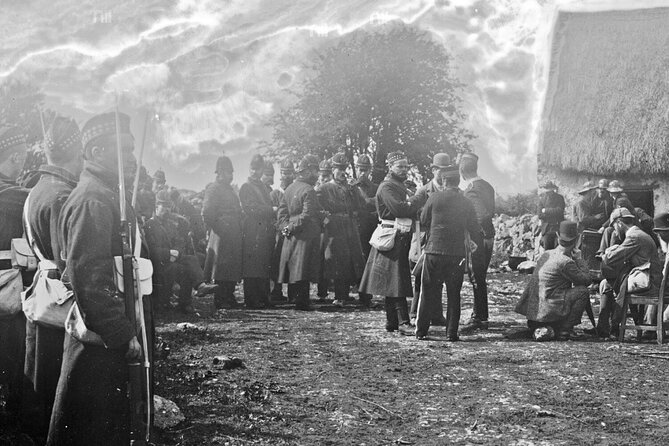
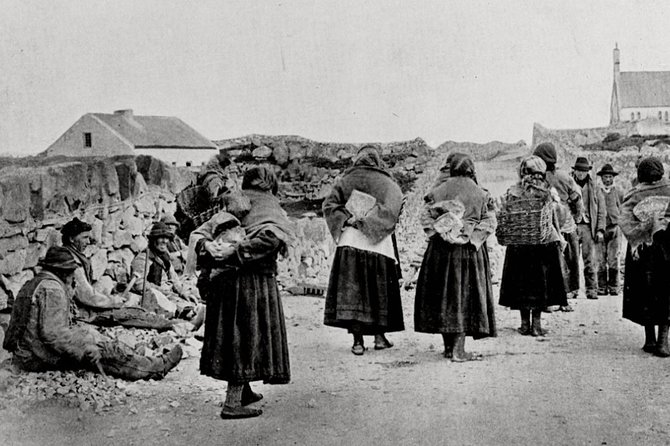
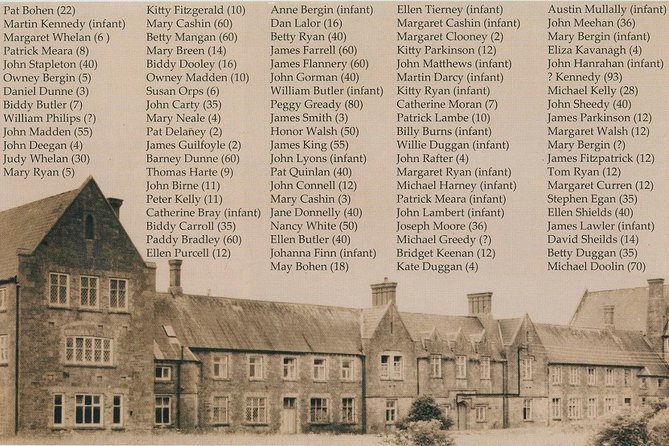
The exhibition does not try to overwhelm you with a giant timeline wall. Instead, it focuses on key images and objects. You will spend time looking at 19th century photos and newspaper material, which makes the story feel grounded rather than abstract.
One standout detail is an original soup pot mentioned by the museum team. Objects like that are powerful because they turn a crisis into something physical. Even if you do not fully read every label, you still get the message: this was part of daily life, not just a distant event in a textbook.
The overall style is text-heavy, especially on posters. That is why the exhibition can feel like a pop-up, in a good and a bad way. Good, because it is compact and direct. Bad, because if you prefer guided storytelling or audio-only content, you might wish for more multimedia.
Still, the content is structured enough that you can follow it without getting lost. You are basically walking through a sequence of ideas: political choices, response speed, the role of landowners and government, and why emigration accelerated afterward. Some visitors walk out feeling they finally connected those dots.
More rooms worth an hour out of the rain
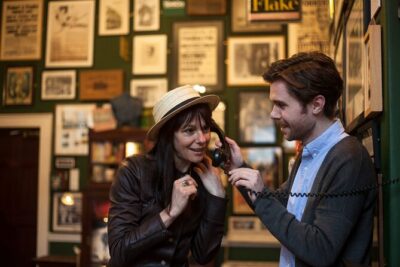

The 15-minute documentary film, and how to use it without rushing
A film is included, and it runs about 15 minutes. That is a smart length. Long enough to add tone and context, short enough that you are not stuck with a full video session in a warm room.
If you like audio-visual support, this film is your main break from reading. It is also a good reset point. I recommend watching it once, then returning to nearby panels while the themes are fresh in your head.
One practical note: the film area can get warm. If you are sensitive to heat, I would plan to wear layers you can manage. Think of it like you are stepping into a small viewing space, not an air-conditioned theatre.
Rare aerial views of St Stephen’s Green park: a clever way to anchor the story
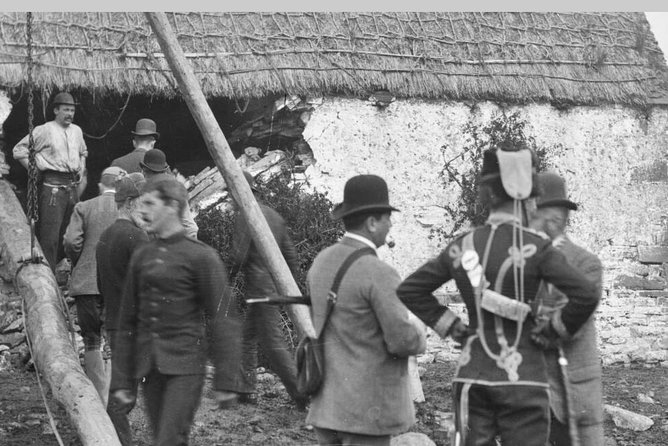
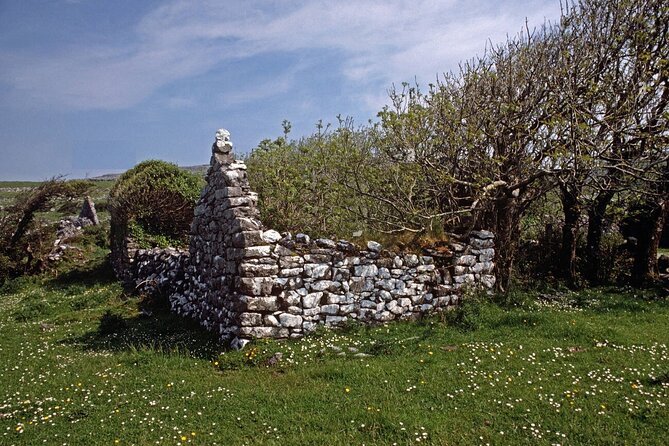
Here is a detail I really like for visual learners: the exhibition includes rare aerial views of St Stephen’s Green park. It sounds small, but it does a useful job. It ties your current setting to the past, so the story does not feel like it is trapped in the museum world.
This kind of view also helps you picture place. Even when you are focused on the Great Hunger, you are still imagining where people lived, worked, and moved through the city and countryside. When the exhibition shows the park from above, it subtly reinforces that the built environment has layers, and history changes what you see.
You also get the added advantage of context without needing extra travel. You are in Dublin already, and the exhibit is anchored in a landmark you can literally step around later.
Translation guide options: helpful if you want to read along
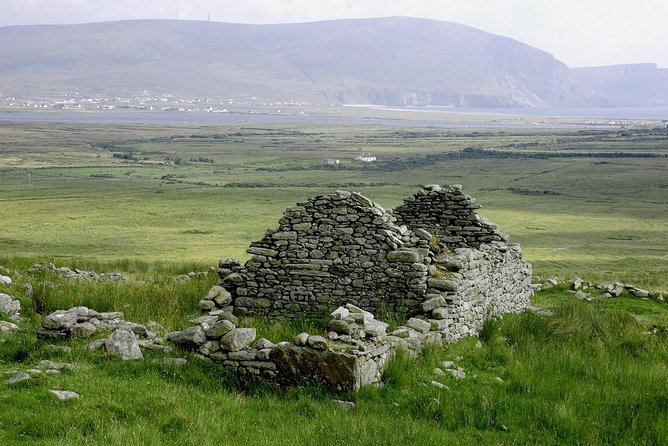
The museum offers a translation guide in French, German, Italian, and Spanish. That is a big value add for non-English readers because it means you can stay in the exhibit rhythm without stopping to interpret each panel.
Keep your expectations realistic. A translation guide is not the same as a fully translated audio narration. You will still be reading, but your understanding will be smoother.
If you are visiting with family members who prefer different languages, this is one of the easiest ways to make the experience work for everyone. Everyone can look at the same objects and follow the same theme, even if they read at different speeds.
Comfort and pacing notes you should plan around
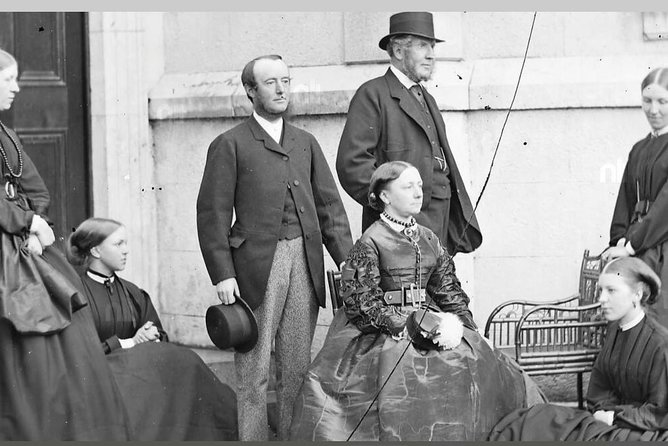
This is one of those museum visits where comfort can affect your experience more than you might expect.
First, parts of the experience may feel warm because the space is not climate controlled. That lines up with feedback about the film area feeling too warm. If you tend to get distracted when you are uncomfortable, consider bringing a light layer or planning a time of day when you feel less heat sensitive.
Second, it is upstairs in the shopping centre setting. That is not a problem, but it reinforces the pop-up style: you are navigating an exhibition inside a retail environment. Expect signs and walkways rather than wide open museum halls.
Third, it is self-guided. If you are visiting with kids, plan for more pauses. Children must be accompanied by an adult, so the learning will need your help. If your group prefers shorter, interactive segments, you might want to steer attention toward the most visual parts like the photos and the physical object displays.
Price and value: is $18.15 worth it for an hour?
At $18.15 per person, this is not a budget museum ticket, but it is also not priced like a premium, long-form guided experience. The value depends on how you like to learn.
If you enjoy reading exhibits and you want to understand how political and social decisions worsened an agricultural crisis, this ticket feels fair. You get a compact one-hour structure, plus the documentary film and a guided-by-yourself flow that lets you linger.
The advance purchase also matters. Since the mobile ticket helps you skip the entrance line, you are buying back time. That is often the hidden value in city sightseeing. When you do not lose time at queues, you get more quality moments in your day.
One more value angle: the exhibition is capped at 90 people. Smaller caps tend to improve the experience, especially when you want to get close to posters and objects without a crowd.
If you are expecting a large, highly interactive museum with multiple video stations and lots of audio, you may feel the price is high for what is essentially a compact exhibit. But if you want a focused, thoughtful stop that you control, it is a solid deal.
Who should book this Dublin Irish Famine Museum exhibition
I would book this if you want a direct, self-paced way to learn about the Irish Potato Famine, also known as the Great Hunger, without committing to a half-day. The one hour format is ideal for travelers who want history with structure but not a strict tour script.
It is also a good match if you like tangible details. The exhibition includes artifacts like an original soup pot, plus lots of period images and newspapers. That combination helps you connect the story to real life rather than only seeing it as a distant event.
If you dislike reading and you want mostly audio and hands-on activities, this may test your patience. Between posters and visuals, the museum leans on your attention. The short film helps, but it is not a full multimedia experience.
Family note: children need an adult, so this is best as a shared learning moment rather than a drop-in activity. If your child likes facts and visuals, you will likely have a better time than if they get bored quickly with text panels.
Practical timing: seasonal opening hours in 2026
The exhibition runs on a seasonal schedule in 2026, from April 1, 2026 to September 30, 2026. Daily opening hours are 12:00 PM to 6:00 PM, Monday through Sunday.
If you are planning a late-day visit, aim to arrive with enough time to complete the full hour plus any extra reading you want. Because this is self-guided, your pace matters, and leaving too close to closing can make you rush.
It also helps to book ahead since it is commonly scheduled about 35 days in advance on average. If you wait until the last minute, you might find fewer convenient times.
Should you book the Irish Famine Museum in Dublin?
Yes, I think you should book this if you want a short, serious history stop that you can do on your schedule. The big wins are the skip-the-line mobile ticket, the self-guided format, and the mix of photos, newspapers, and tangible objects. The 15-minute documentary gives you a mental reset, and the aerial views of St Stephen’s Green add a smart Dublin connection.
I would skip or reconsider if you strongly dislike reading, or if you are sensitive to warm indoor spaces. This is not built like a modern high-tech museum. It is more like a compact exhibition that asks you to pay attention.
FAQ
How long does the Irish Famine Museum exhibition take?
Plan for about 1 hour.
Is the experience guided or self-guided?
It is self-guided, so you explore at your own pace.
Do I need to buy a ticket in advance?
Yes, you book an admission ticket in advance. The ticket is delivered as a mobile ticket.
What languages are available for the translation guide?
A translation guide is available in French, German, Italian, and Spanish.
Is there a documentary or video as part of the exhibition?
Yes. The exhibition includes a short documentary film of about 15 minutes.
When is the exhibition open?
From April 1, 2026 to September 30, 2026, daily from 12:00 PM to 6:00 PM, Monday through Sunday.
What is the cancellation policy?
Free cancellation is available up to 24 hours before the experience start time for a full refund.
An Hour Out of the Rain
The Story, Told on Foot
Elsewhere on The Ireland Traveler
Lately added to the Dublin pile
- Waterford Crystal and Kilkenny Full-Day Rail Tour from Dublin
★ 5.0 · 3 reviews - Turtle Bunbury’s Dublin: A Self-Guided Audio Tour from a Celebrated Author
★ 5.0 · 3 reviews - Cliffs of Moher and The Burren Private Tour from Dublin
★ 5.0 · 3 reviews - Dublin Full-Day Tour through Boyne Valley
★ 5.0 · 3 reviews - Rock Of Cashel And Blarney Castle Private Chauffeur Full Day Sightseeing Tour
★ 4.5 · 3 reviews - Private Irish Fusion Meal in a Modern Home in Skerries, Dublin
★ 5.0 · 3 reviews
More Irish History and Heritage Walks, side by side.
 ★ 4.5Dublin EPIC Museum Admission TicketFrom $251,729 reviews
 ★ 4.5Dublin Literary Pub CrawlFrom $271,607 reviews
 ★ 5.01916 Rebellion Walking TourFrom $271,605 reviews
 ★ 4.6Dublin: EPIC Museum Entrance TicketFrom $24816 reviews
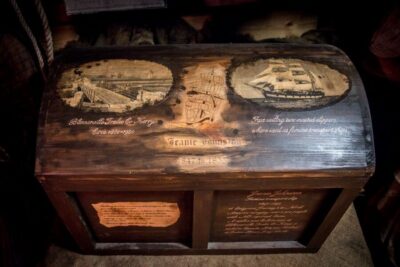 ★ 4.8Dublin: Jeanie Johnston Tall Ship Irish Famine History TourFrom $16431 reviews
 ★ 4.5The Queenstown Story @ Cobh Heritage Centre , Great Stories of Emigration.From $18181 reviews
 ★ 5.0Walking Tour of Dublin’s Viking/Medieval Quarter with a VikingFrom $36171 reviews
 ★ 5.0The Medieval Mile Museum Guided TourFrom $13155 reviews
Other lists this one is on