
REVIEW · DUBLIN
Dublin: Jeanie Johnston Tall Ship Irish Famine History Tour
A famine story, told on a real ship. On the Jeanie Johnston tall ship in Dublin’s North Dock, you get 50 minutes of gripping passenger stories with sea air and working masts overhead. I love how the walk on the upper deck feels hands-on, but the cramped below deck spaces are not for everyone, since the tour is not recommended for limited mobility.
I especially like the shift below deck, where the guide turns the famine years into something you can picture, including how passage worked for up to 250 people packed in tight quarters. If you want a short Dublin stop with real emotion and real ships smells, this is a great fit.
In This Review
- Key highlights worth your attention
- Where the Jeanie Johnston tour starts at Custom House Quay
- Step aboard: the upper deck masts and the ship’s working story
- Dublin Docklands from a new angle, plus a quick photo stop
- The guide factor: how stories stay clear in 50 minutes
- Below deck: cramped quarters, fresh air limits, and daily strain
- What people ate, how they paid, and where they ended up
- Why the original Jeanie Johnston and its replica matter
- Price and timing: is $16 for 50 minutes good value?
- Who should book this Jeanie Johnston famine tour
- Who should think twice or choose an alternative
- Should you book the Jeanie Johnston Tall Ship famine history tour?
- FAQ
- How long is the Jeanie Johnston Tall Ship Irish Famine History Tour?
- Where do I meet for the Jeanie Johnston tour?
- Is hotel pickup included?
- Is the tour in English?
- What should I bring?
- Is the tour wheelchair accessible or suitable for limited mobility?
- Can I reserve and pay later?
- Is there free cancellation?
Key highlights worth your attention
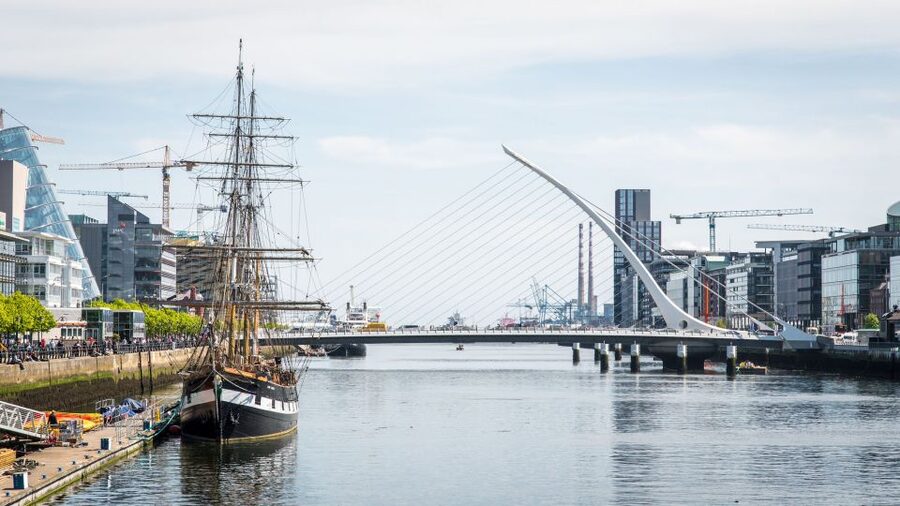
- A tall ship in the middle of Dublin’s Docklands, with masts, rigging, and that salty wind in your face
- Upper deck history first, including how the ship’s role changed from timber hauling to carrying people
- Below deck life-size storytelling, with cramped quarters and only a little fresh air each day
- Famine era context you can grasp fast, including the scale of who fled and how this particular ship fits in
- Guides who make it clear and human, with humor mixed into serious material and time for questions
More Irish history taken at walking pace
- Dublin EPIC Museum Admission Ticket★ 4.5 · 1,729 reviews
- Dublin Literary Pub Crawl★ 4.5 · 1,607 reviews
- 1916 Rebellion Walking Tour★ 5.0 · 1,605 reviews
- Dublin: EPIC Museum Entrance Ticket★ 4.6 · 816 reviews
Where the Jeanie Johnston tour starts at Custom House Quay
You meet at the Jeanie Johnston Tallship at City Moorings, Custom House Quay, Dublin 1. The tour ends back at the same place, so you do not have to plan a separate pickup or figure out transportation after your hour on the ship.
This is a 50 minute experience, so it works well as a focused add-on day plan. It also makes sense if your Dublin schedule is tight, because you get a complete arc: ship exterior and history up top, then the human story below deck.
One practical note: this tour does not include hotel pickup and drop-off. If you’re staying in the city, plan to arrive on foot or by short public transport connections, then enjoy that you can leave right where you started.
Step aboard: the upper deck masts and the ship’s working story
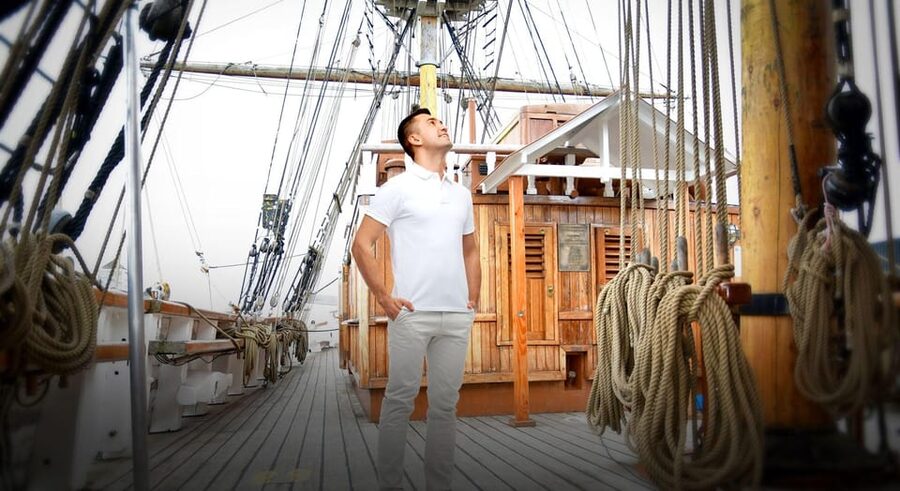
The tour begins on the upper deck, and that’s a smart move. Before anyone gets into the heavy famine material, you get oriented to what you’re standing on. The guide points out the ship’s majestic masts and the craftsmanship, then explains the ship’s history and why it changed careers, from transporting timber to transporting people.
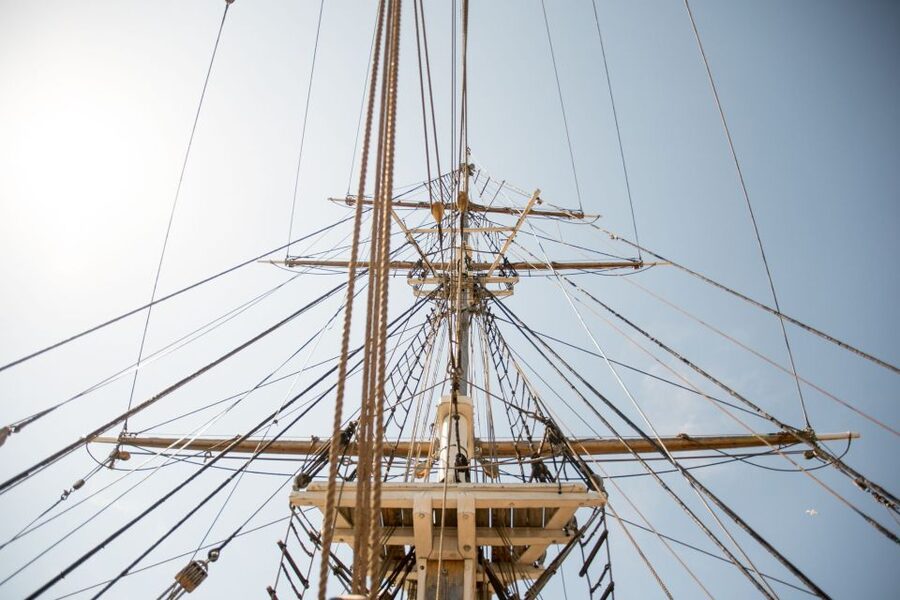
Even if you have never studied ships, the deck walk helps your brain build the scale. You can look up at the rigging, understand how the ship would move, and picture the motion that passengers would feel for weeks and months. It is one of those learning moments that does not feel like a classroom.
You also pick up context about tall ships and shipping trade in the 19th century. The goal is not to turn you into a maritime expert. It’s to help you see this wasn’t just a tragedy story, it was part of a working system of migration routes and ocean travel.
A small tip: wear comfortable shoes. You’ll be moving around and you may be on uneven surfaces as you circulate on the ship.
Dublin Docklands from a new angle, plus a quick photo stop
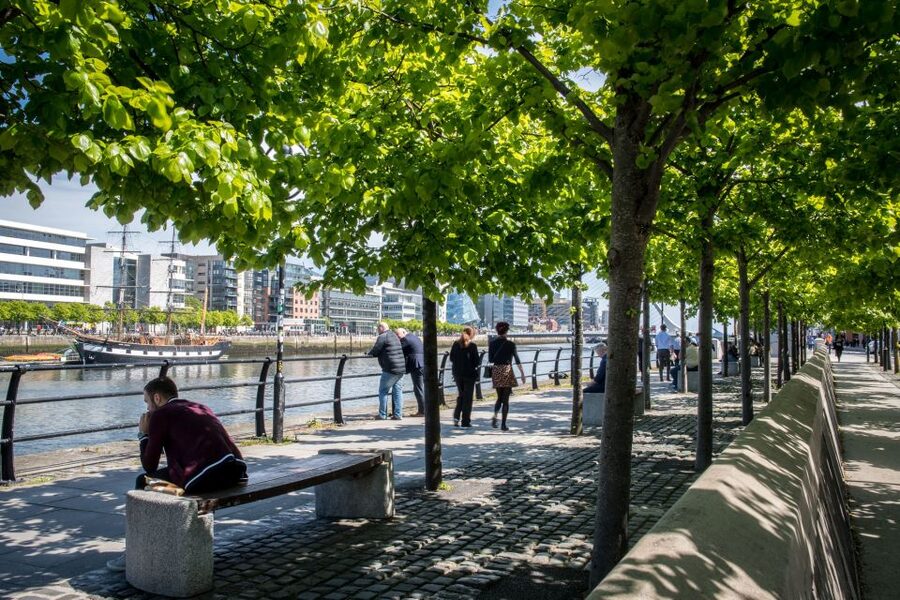
Once you’re comfortable with the ship itself, the tour shifts your attention outward to Dublin’s Docklands. From this perspective, the city feels closer to the water, and you get those signature dock sounds and sights that are hard to experience from street level.
You feel wind in your hair, hear gulls overhead, and get that sea air smell that makes the whole topic feel more real. It’s also a nice break from being stuck indoors in Dublin’s museums all day.
The ship is also one of the area’s most photographed attractions, and the tour gives you time for a snap of yourself. If you’re doing the usual Dublin photo circuit, this stops you from thinking, I’ll do that later, and then never doing it.
The guide factor: how stories stay clear in 50 minutes
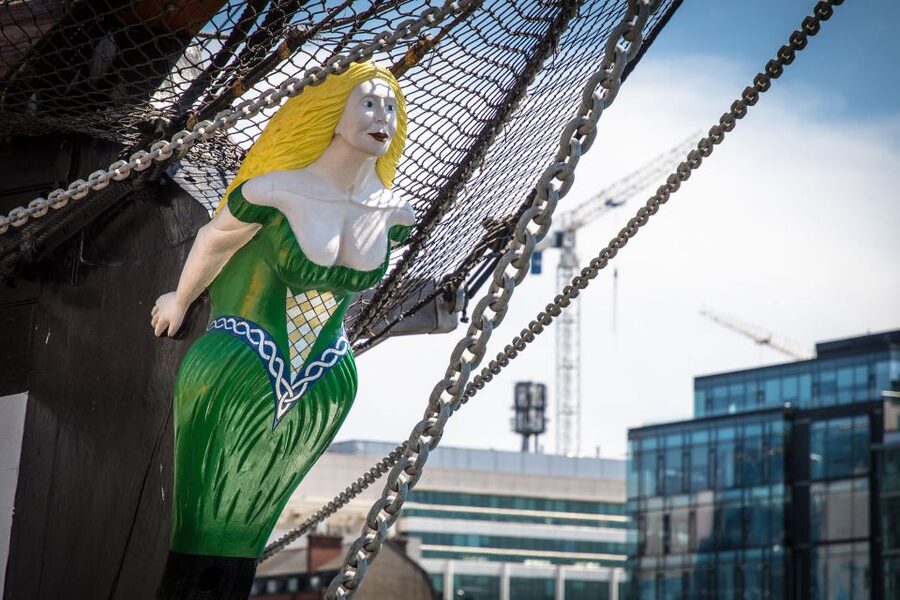
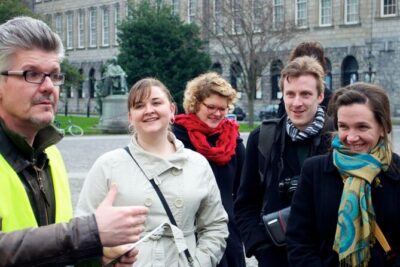
What makes this tour work is the storytelling pace. Multiple guides named in past visits have been praised for being clear, answering questions, and mixing seriousness with a touch of humor. Names that come up include Josh, Steve, Claire, Eoin, Owen, Gearoid, Ronan, and Katrina, and the common thread is that they know how to connect the ship to the people.
In practical terms, that means you are not just hearing dates and definitions. You’re being walked through the experience in a way that stays understandable even if you are new to Irish famine history.
It also helps if you have kids with you. Some families have said the tour kept younger visitors engaged, including when the guide brought stories into relatable terms and handled curious questions. If your group includes teens, this format can hit the sweet spot too, because it is short, physical, and narrative.
My advice if you want to get the most out of your visit: ask one question during the tour that starts with what, how, or why. For example, ask how they paid for their crossing or what daily routines looked like below deck. The guide’s job is to answer those, and you’ll leave with less of the vague, I sort of got it feeling.
Other pieces of the past in Dublin



Below deck: cramped quarters, fresh air limits, and daily strain
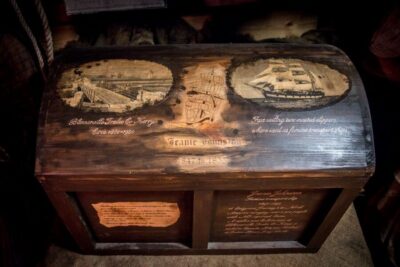
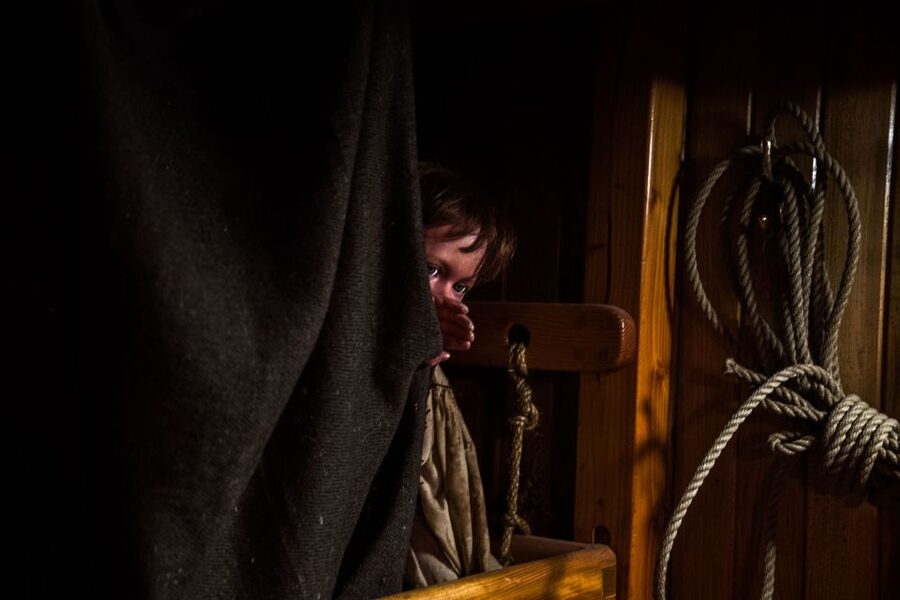
Then comes the part that turns the ship from an object into a place people suffered. The guide takes you below deck into the cramped living quarters. The tour is explicit here: up to 250 passengers spent most of their time on board, and they only emerged for about half an hour of fresh air each day.
That detail matters. It’s easy to think of migration as a journey that happens in a straight line, from departure to arrival. But below deck, you get the rhythm of waiting, discomfort, and confinement.
You’ll meet some of the passengers and crew through how they are presented on the ship. Some visitors have noted mannequins or staged figures, and if that might be a concern for someone in your group, it’s good to know the tour includes these kinds of displays as part of the storytelling.
From a historical viewpoint, this is where the famine years stop being abstract. The guide explains grim conditions, including filthy quarters, and the risks people faced from disease, starvation, and disaster. It’s heavy material, but the structure of the tour helps it land with clarity instead of chaos.
Also, the guide covers how people passed the time at sea. That can be a surprising angle, because even in awful conditions, humans still tried to create routines, distractions, and small comforts.
What people ate, how they paid, and where they ended up
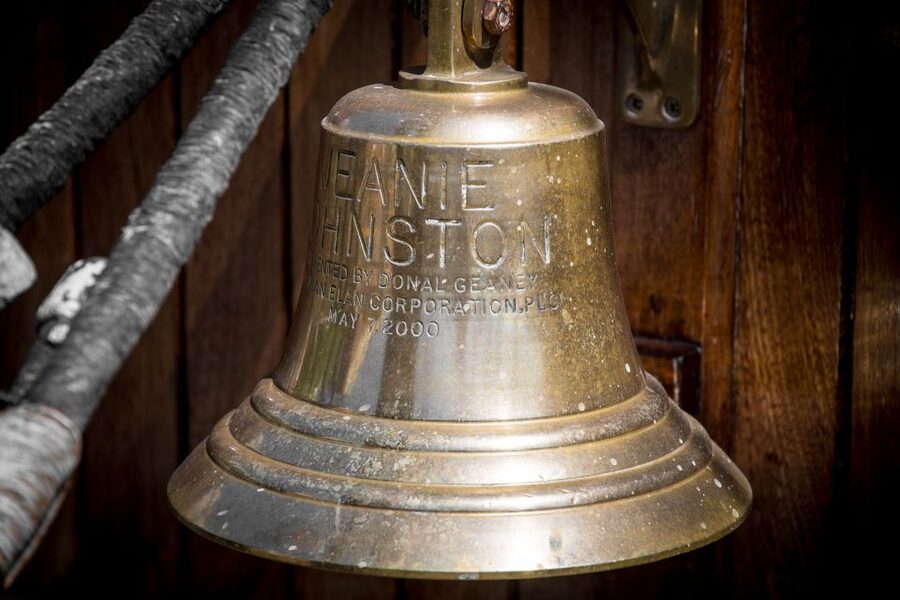
One of the most valuable parts of this tour is that it stays practical about the passenger experience. You hear how emigrants paid for their crossing, what they ate on the long voyage, and what fates awaited them at their destination.
That combination helps you build a fuller picture. Food details and payment details make the story feel grounded. And learning about what happened next connects the Atlantic crossing to the bigger outcome of relocation, not just the ordeal of getting there.
You may also hear that the Jeanie Johnston is tied to many voyages, and one striking detail that shows up in accounts of the ship is that nobody died on the 16 voyages to America. You don’t need to treat that as a way to soften the story. Instead, it adds nuance to how this particular ship’s experience gets told, alongside the risk realities mentioned in the tour.
The guide also talks about the voyage itself and the extremes involved. If you like your history with names, choices, and daily conditions, this section is the payoff.
Why the original Jeanie Johnston and its replica matter
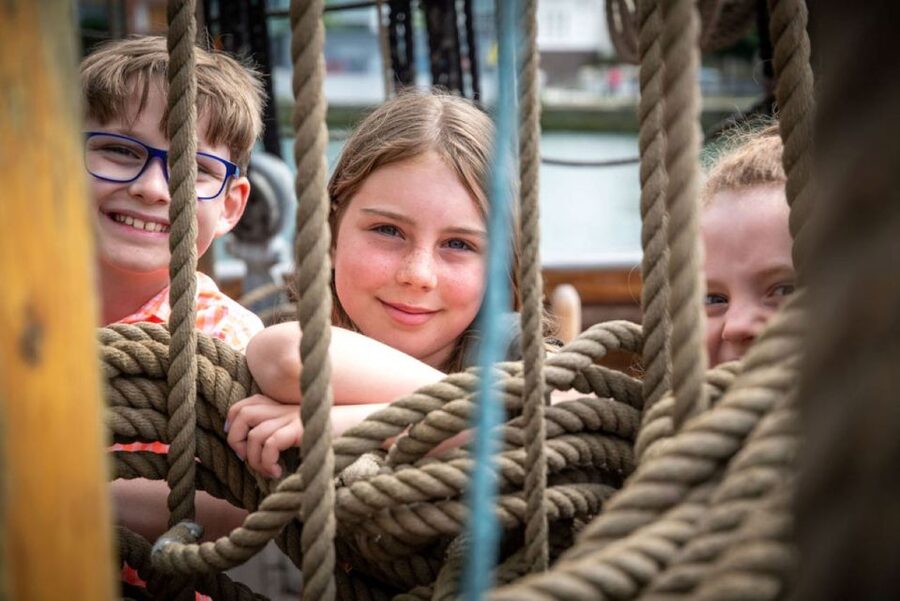
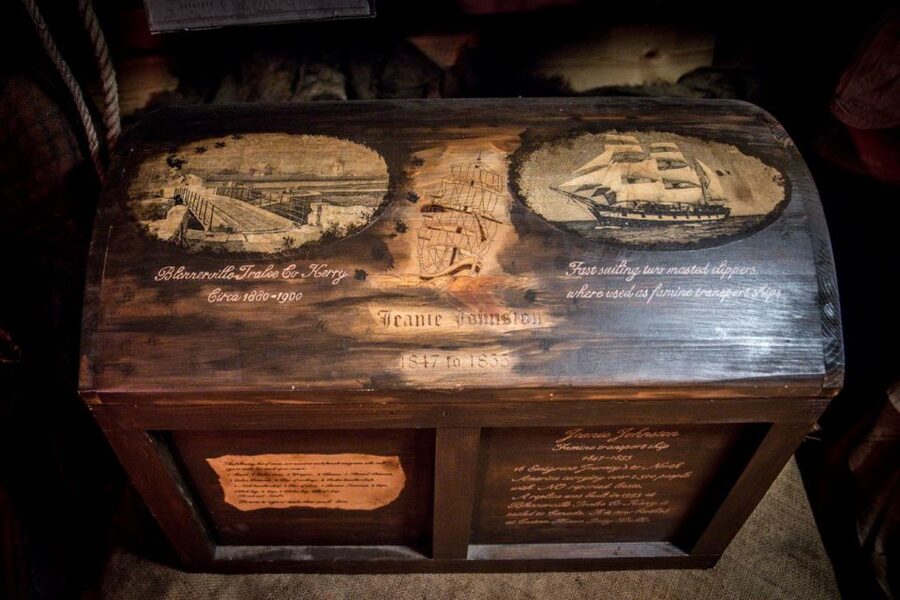
The tour does not only focus on the replica. You get an explanation of the original Jeanie Johnston and why the replica exists, including details about the building of the ship. That’s a key part of why this experience feels more physical than a typical exhibit.
When you understand the replica’s purpose, the whole approach makes sense. The ship is not there just for looks. It helps you experience constraints, scale, and movement in a way that you can’t get from a flat timeline on a museum wall.
The tour also connects to the larger migration story: it highlights that one million Irish people fled during the famine years, and that 2,500 of them took a gruelling voyage on The Jeanie Johnston. Those numbers are not random trivia. They give you a sense of scale so you can hold the story in your head without feeling lost.
If you only know the famine as a broad term, you’ll likely come away with a clearer mental picture of what “emigration” meant at sea for real people.
Price and timing: is $16 for 50 minutes good value?
At about $16 per person for a 50 minute guided tour, you are paying for more than entry to a ship. You’re paying for a guided story that uses the actual space as the teaching tool, upper deck to below deck.
Value in this case comes from three things:
- Time-efficient structure, so you get the ship overview plus the human story
- Live interpretation, with guides who make explanations clear and answer questions
- A one-of-a-kind setting, Dublin’s Docklands on a tall ship, not a generic indoor museum room
You can do a lot of Dublin activities for the same general budget range, but it’s harder to find one that hits history, place, and atmosphere in under an hour. If you’re the type who likes learning while moving through a real site, this is a strong use of your time.
One more timing tip: because the tour runs on a schedule and lasts 50 minutes, check your start time window before you commit. If you’re stacking activities, plan enough margin for arrival and a quick stop before you join the group.
Who should book this Jeanie Johnston famine tour
This is a strong fit if you want:
- A short, guided history experience with a memorable setting
- Stories of passengers and crew, including practical details like food and paying for passage
- Docklands views from a unique perspective
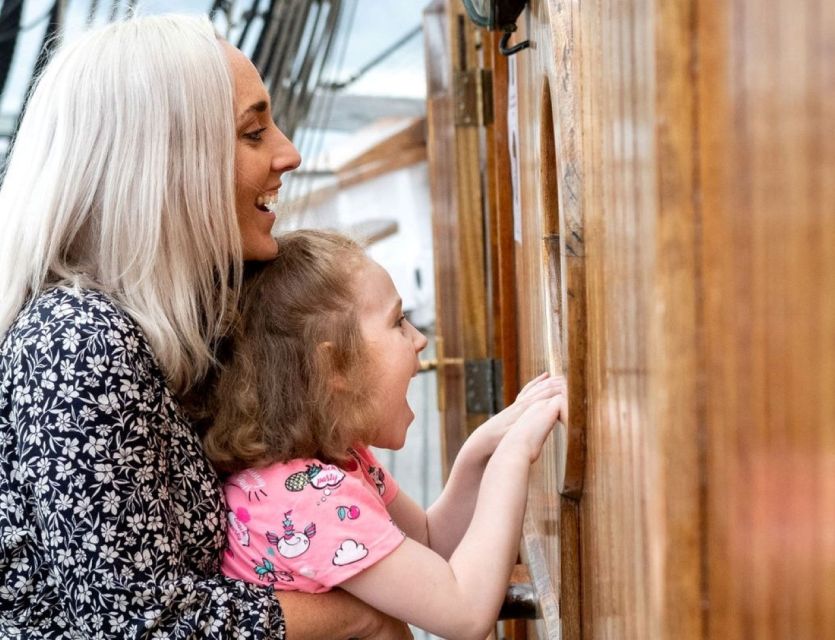
- A family-friendly format if your kids can handle serious topics with a guide’s support and explanations
It is also a good choice when you’ve already done the big Dublin highlights and you want something that feels genuinely different.
Who should think twice or choose an alternative
This tour is not recommended for people with limited mobility and not suitable for wheelchair users. Below deck areas are cramped, and the tour includes moving through those spaces.
Also, be ready for emotional subject matter. The guide discusses disease, starvation, and grim risks, so it’s not a light entertainment stop.
If you or someone in your group needs a fully accessible experience, you’ll want to look for another Dublin activity that matches those needs better.
Should you book the Jeanie Johnston Tall Ship famine history tour?
I’d book it if you want a high-impact 50 minute experience that uses a tall ship as the centerpiece of the story. The format makes the famine years concrete, from the masts and craftsmanship up top to the cramped reality below deck. Add in guide talent, including well-regarded storytellers like Steve, Claire, and Eoin, and you get a tour that stays clear without turning the topic into a lecture.
Skip or reconsider if mobility is a concern, because the tour’s physical spaces are part of the experience. And if you know your group is uncomfortable with mannequin-style figures or very heavy themes, plan accordingly before you arrive.
If you’re in Dublin and you want something real, atmospheric, and story-driven, this is one of the better short stops you can make.
FAQ
How long is the Jeanie Johnston Tall Ship Irish Famine History Tour?
The tour lasts about 50 minutes.
Where do I meet for the Jeanie Johnston tour?
You start at Jeanie Johnston Tallship, City Moorings, Custom House Quay, Dublin 1, and the tour ends back at the same meeting point.
Is hotel pickup included?
No, hotel pickup and drop-off are not included.
Is the tour in English?
Yes, the tour guide provides the tour in English.
What should I bring?
Wear comfortable shoes.
Is the tour wheelchair accessible or suitable for limited mobility?
No. The tour is not recommended for people with limited mobility and it is not suitable for wheelchair users.
Can I reserve and pay later?
Yes. You can reserve now and pay later.
Is there free cancellation?
Yes. You can cancel up to 24 hours in advance for a full refund.
The Wider Dublin Pile
The Story, Told on Foot
Elsewhere on The Ireland Traveler
Lately added to the Dublin pile
- Waterford Crystal and Kilkenny Full-Day Rail Tour from Dublin
★ 5.0 · 3 reviews - Turtle Bunbury’s Dublin: A Self-Guided Audio Tour from a Celebrated Author
★ 5.0 · 3 reviews - Cliffs of Moher and The Burren Private Tour from Dublin
★ 5.0 · 3 reviews - Dublin Full-Day Tour through Boyne Valley
★ 5.0 · 3 reviews - Rock Of Cashel And Blarney Castle Private Chauffeur Full Day Sightseeing Tour
★ 4.5 · 3 reviews - Private Irish Fusion Meal in a Modern Home in Skerries, Dublin
★ 5.0 · 3 reviews
More Irish History and Heritage Walks, side by side.
 ★ 4.5Dublin EPIC Museum Admission TicketFrom $251,729 reviews
 ★ 4.5Dublin Literary Pub CrawlFrom $271,607 reviews
 ★ 5.01916 Rebellion Walking TourFrom $271,605 reviews
 ★ 4.6Dublin: EPIC Museum Entrance TicketFrom $24816 reviews
 ★ 4.5Irish Famine Museum / Exhibition DublinFrom $18247 reviews
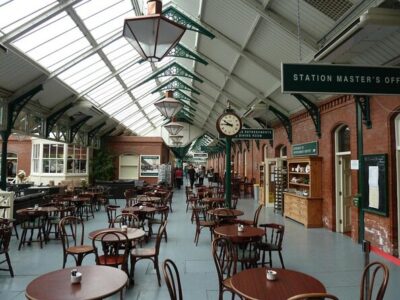 ★ 4.5The Queenstown Story @ Cobh Heritage Centre , Great Stories of Emigration.From $18181 reviews
 ★ 5.0Walking Tour of Dublin’s Viking/Medieval Quarter with a VikingFrom $36171 reviews
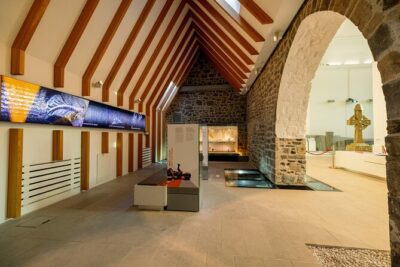 ★ 5.0The Medieval Mile Museum Guided TourFrom $13155 reviews
Other lists this one is on