
REVIEW · DUBLIN
Dublin: Irish Famine Exhibition Entry Ticket
A day in Dublin can be heavy, fast. The Irish Famine Exhibition turns a hard chapter of history into a clear walk-through with photos, letters, and original newspaper pages. I especially liked the step-by-step storyboards that guide you room by room without feeling overwhelming.
The one thing to keep in mind is that the subject matter is grim, so go in with the right pace. If you want light and easy, this is not that. But if you want real context for what happened, it delivers.
In This Review
- Key points before you go
- Finding the Irish Famine Exhibition in Stephens Green
- Price and what $16 buys you
- How the visit actually flows, room by room
- Rare 19th-century photographs you can really look at
- Workhouses, evictions, coffin ships, and disease
- Original newspapers and letters that bring the story close
- The 15-minute overview film, use it smart
- The word famine question, and the exhibit’s bigger problem
- Translations and the optional book and USB stick
- Who should buy this ticket
- Should you book the Irish Famine Exhibition ticket?
- FAQ
- Where is the Irish Famine Exhibition located?
- What are the opening hours?
- How long should I plan to spend there?
- Is the ticket self-paced?
- What does the ticket include?
- What is included inside the exhibition?
- Is the book or USB stick included with the ticket?
- Is the exhibition wheelchair accessible?
- What is the ticket price and how long is it valid?
Key points before you go
- Room-by-room storyboards that move through the tragedy in an orderly, easy to follow way
- Rare 19th-century photographs of Ireland, presented with enough detail to stick
- Original artifacts including newspapers, personal letters, and a cast iron soup pot
- A 15-minute overview film with dedicated seating so you can reset between rooms
- On-site translation manual in French, German, and Italian
More Irish history taken at walking pace
- Dublin EPIC Museum Admission Ticket★ 4.5 · 1,729 reviews
- Dublin Literary Pub Crawl★ 4.5 · 1,607 reviews
- 1916 Rebellion Walking Tour★ 5.0 · 1,605 reviews
- Dublin: EPIC Museum Entrance Ticket★ 4.6 · 816 reviews
Finding the Irish Famine Exhibition in Stephens Green

This exhibition is tucked inside Stephens Green Shopping Centre, on the 2nd floor. The meeting point is unit 200b. If you enter from the main entrance on Grafton Street, walk in about 20 metres, then look to the right for an elevator. Take it up, then go left.
If you come in from the car park entrance, it is at the opposite end of the centre, so don’t expect it to be right beside the doors. The good news is that you can treat it like an indoor, weather-proof stop. You also get a bonus benefit of being in a central area, which makes it easy to pair with other Dublin plans the same day.
The exhibition is open every day from 12:00pm to 6:00pm, and you should plan to spend at least one hour on site. If you’re a slower reader, give yourself closer to 75 to 90 minutes so you can take breaks without rushing.
Price and what $16 buys you
At about $16 per person, this is a straightforward museum-style ticket. The value comes from the format: it is self-paced, so you control the speed, plus it includes a mix of media you do not get with only one type of display.
Inside, you will see storyboards across multiple rooms, plus a 15-minute overview film. You also get original items, including two newspaper articles and two personal letters. One of the letters is from a tenant to his landlord, and the other is from a father to his son, which gives the story a human shape, not just a timeline. There is even an original cast iron soup pot on display, the kind of object that makes history feel physically real.
It is valid for 180 days, but you still need to check availability to see starting times. That matters because your best plan is to match the slot to your day, not to fight it. If you like museums with a clear structure and not too much wandering, this fits the bill.
How the visit actually flows, room by room
The exhibition uses a simple format: multiple rooms with storyboards in an easy, step-by-step sequence. Think of it like guided reading, only you are walking. You move through different sections, each one explaining what happened and why it mattered.
Every room includes seating, which sounds like a small detail until you have one of those heavy moments where you need to sit for a minute and let the information land. You are not trapped standing the whole time. That design choice is practical and, honestly, kind.
The layout also keeps you oriented. Instead of a maze, you will move through several rooms on the same floor, with benches placed where you naturally pause. If you like to pace yourself and re-read captions, this setup supports that.
You will likely find yourself doing a loop of reading, short reflection, then moving to the next room. Plan for that. It is one of the reasons people tend to finish in around an hour without feeling like they got skimmed.
Rare 19th-century photographs you can really look at
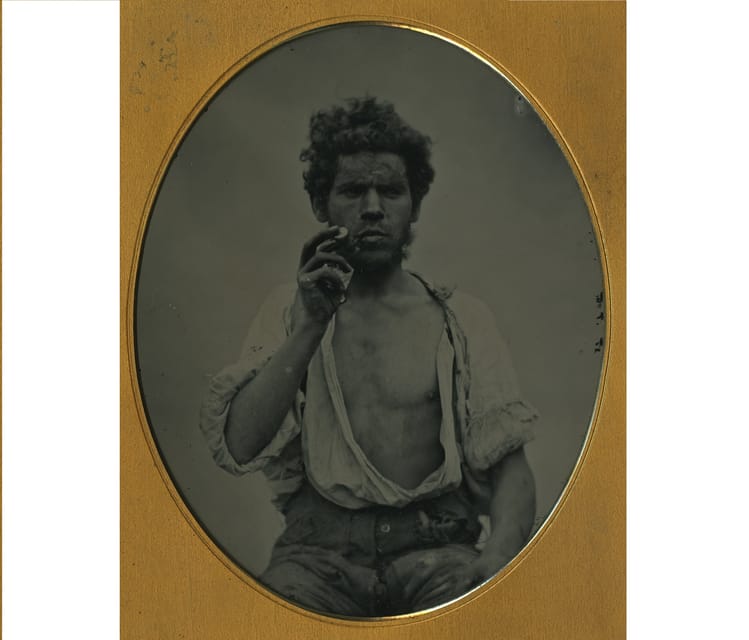
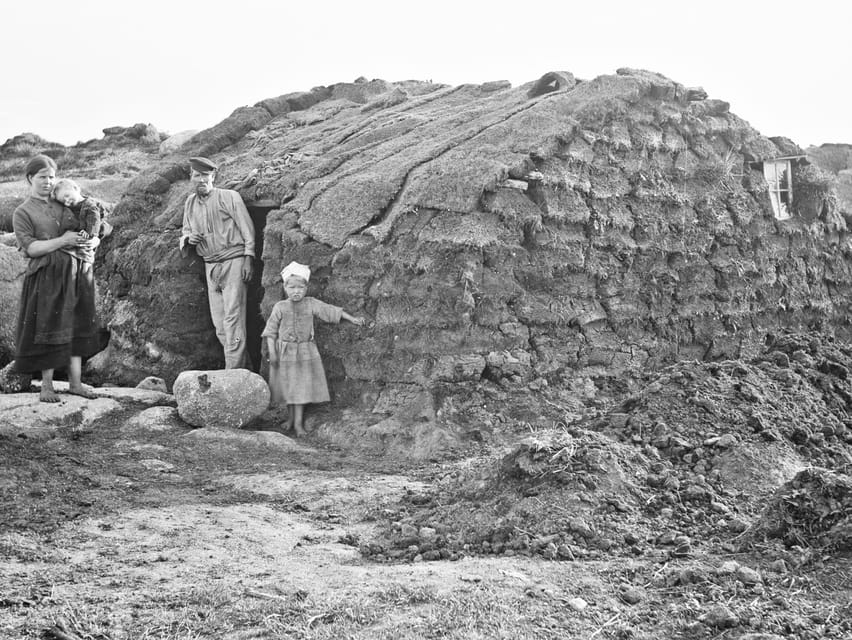
One of the strongest elements here is the display of rare 19th-century photographs of Ireland. These images matter because they do not rely only on numbers. They give you visual evidence of daily life and conditions during the time period the exhibition discusses.
I like how the photos are presented alongside the storyboards. That pairing helps you avoid the common museum problem where images are shown without enough context. Here, the visuals support the narrative, and the narrative helps you interpret what you are seeing.
Give yourself a moment with each photo rather than treating them like background scenery. If you focus on a few details, like clothing, setting, and everyday objects, the pictures start to feel less like distant history and more like documented reality.
More doors worth booking before you fly



Workhouses, evictions, coffin ships, and disease
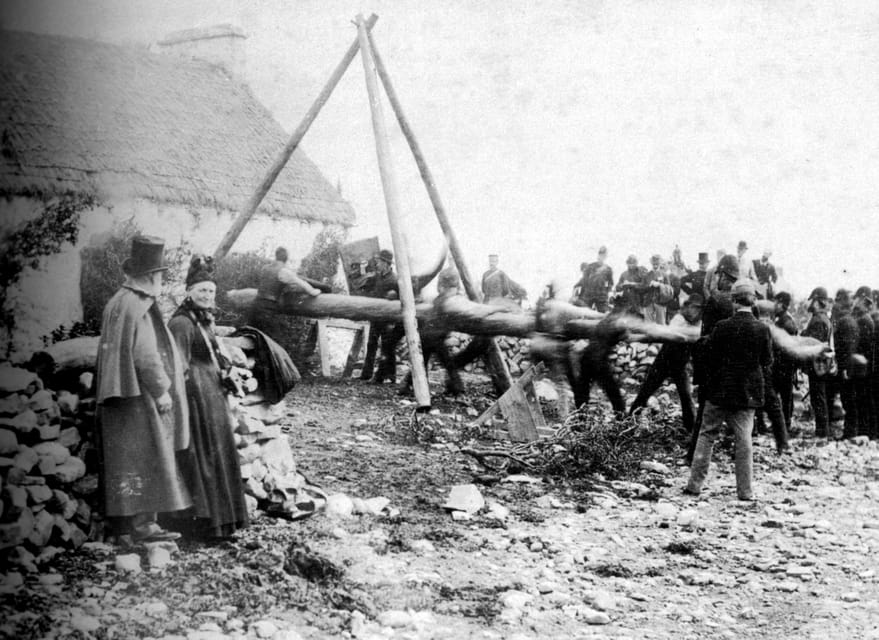
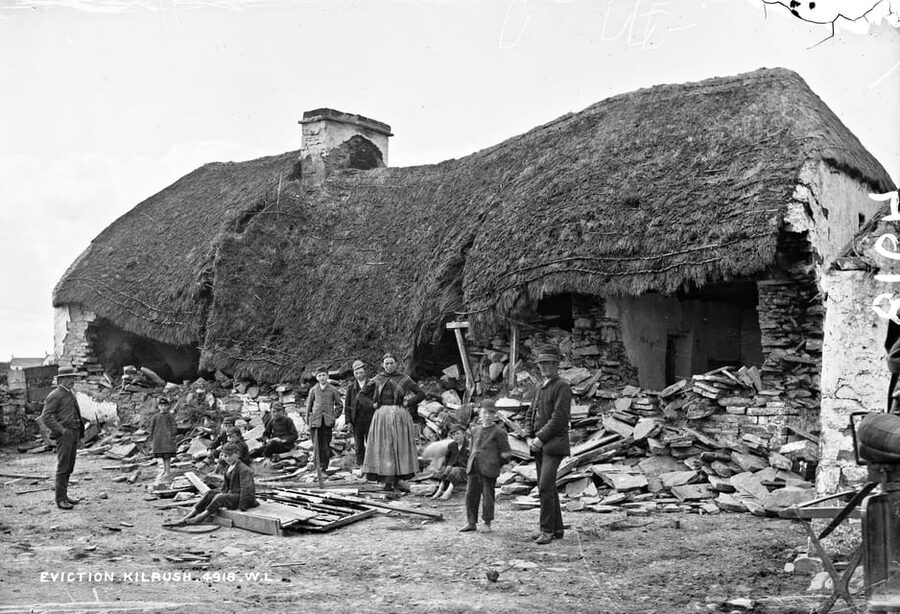
The exhibition does not shrink from the hard parts. You will learn about Workhouses, Evictions, Coffin Ships, and Disease. These are described as part of the real chain of events, not as isolated horror stories.
What I found useful is the way these topics get connected to the bigger question the exhibit raises. You see how the suffering was not just one problem at one moment. It was overlapping pressures that made survival harder for ordinary people.
This is also where pacing helps. If you try to power through too fast, the information can feel like a wall. Use those benches. Watch your own reactions. If something hits you emotionally, it is okay to pause, sit, and finish the room calmly.
If you like history that explains mechanisms and consequences, this part is a strong fit. You leave with a clearer understanding of how multiple systems and decisions translated into catastrophic outcomes.
Original newspapers and letters that bring the story close
Some museums show replicas. This one includes originals, and that changes the emotional weight. You will see two original newspaper articles displayed, plus two personal letters.
One letter is from a tenant to his landlord. The other is from a father to his son. That choice of letters is smart, because it covers both dependence and family survival. Even if you only read sections, the format helps you imagine what it meant to write under fear and uncertainty.
There is also an original cast iron soup pot on display. Objects like this do not just represent food. They represent scarcity, improvisation, and the effort it takes to keep a household going. It is a concrete detail you can carry in your memory after you leave.
If you prefer museums that use primary sources, this is the best part of the visit. It feels less like you are being told a lesson and more like you are encountering evidence.
The 15-minute overview film, use it smart
Throughout the visit, there is seating set aside for the 15-minute overview film. The benches in each room help you rest, but the film gives you a structured reset.
I suggest using the film either near the start or once you have gone through a couple of rooms. If you watch it early, it can help you understand where you are headed. If you watch it later, it can act like a summary that ties together what you just read.
At 15 minutes, it is not a time sink. It is long enough to provide a coherent overview, and short enough that you are still ready to continue into the next rooms right away.
The word famine question, and the exhibit’s bigger problem
The exhibition raises a point that is worth sitting with: the use of the word famine in this context is considered controversial. Ireland at the time was part of the richest empire in the world, the British Empire, and there was sufficient food in the country throughout the famine years. Yet over a million people died from starvation and disease, and millions more were forced to flee.
That contrast is the heart of the exhibit’s question. It pushes you to ask what went wrong beyond the simple idea of not having enough food. You start thinking about access, systems of power, and how policy and neglect can turn availability into suffering.
This is heavy, but it is also where the exhibition earns its keep. It does not let you walk away with only one easy explanation. It invites you to understand the real, painful complexity.
Translations and the optional book and USB stick
Included with your ticket is a translation manual in French, German, and Italian. That is a practical inclusion because it lets you read the storyboards at your own pace. If English is your second language, having written support inside the exhibition makes the visit smoother.
At the reception desk, you can buy the exhibition book and a USB stick, but these are not included in the ticket. If you do purchase the USB stick, it includes storyboard content broken up and shown in film format with suitable mood music, and the 15-minute overview film is also included.
I like this as an option because the exhibition is self-paced. If you want to revisit the story after you get home, the USB or book can help you remember what you read and saw without forcing you to return immediately.
Who should buy this ticket
This is a good choice if you want history that is direct and supported by primary sources. The blend of rare photos, original newspapers, personal letters, and an authentic object like a cast iron soup pot makes it a stronger experience than an exhibit that only uses text panels.
It is also a good fit for travelers who like self-paced visits. You will be walking through storyboards in different rooms, with benches in each room and seating for the film. That setup works well if you have a short attention window or if you like to pause and process.
If you are traveling with kids, you might think about maturity first. The topic is about starvation, disease, and eviction. If your group handles serious history well, it can be educational. If you need a lighter museum day, choose something else.
Should you book the Irish Famine Exhibition ticket?
Book it if you want a focused, well-structured, self-paced introduction to the Irish Potato Famine, with original documents and a clear step-by-step format. The visit is long enough to feel complete, but not so long that it becomes exhausting. The built-in benches and the short film help you pace the experience.
Skip it only if you know you do not want heavy subject matter. This is not designed for happy feelings. It is designed for understanding.
If you do book, aim to arrive with an hour or more of calm time. Then let the photos, letters, and newspapers do what they are meant to do. You will leave with a better grasp of how catastrophic events can happen even when food exists, and that is the kind of understanding that travels home with you.
FAQ
Where is the Irish Famine Exhibition located?
It is in unit 200b on the 2nd floor of Stephens Green Shopping Centre in Dublin County. If you enter from the main entrance on Grafton Street, you will find an elevator about 20 metres in on the right, then go left on the 2nd floor.
What are the opening hours?
The exhibition is open every day from 12:00pm to 6:00pm.
How long should I plan to spend there?
Allow at least one hour. You will be walking through various rooms and can use the benches in each room.
Is the ticket self-paced?
Yes. You walk around the different rooms with storyboards at your own pace, with seating available throughout and a 15-minute overview film.
What does the ticket include?
Your ticket includes entry to the Irish Famine Exhibition. It also includes a translation manual in French, German, and Italian.
What is included inside the exhibition?
You can expect storyboards, films, rare 19th-century photos, two original newspaper articles, two personal letters, and an original cast iron soup pot. There is also a 15-minute overview film with seating.
Is the book or USB stick included with the ticket?
No. The book and USB stick are available to purchase at the reception desk, but they are not included in the ticket.
Is the exhibition wheelchair accessible?
Yes, it is wheelchair accessible.
What is the ticket price and how long is it valid?
The price is $16 per person, and the ticket is valid for 180 days. You should check availability to see starting times. Cancellation is free up to 24 hours in advance for a full refund.
Worth Booking Before You Fly
The Story, Told on Foot
Elsewhere on The Ireland Traveler
Lately added to the Dublin pile
- Waterford Crystal and Kilkenny Full-Day Rail Tour from Dublin
★ 5.0 · 3 reviews - Turtle Bunbury’s Dublin: A Self-Guided Audio Tour from a Celebrated Author
★ 5.0 · 3 reviews - Cliffs of Moher and The Burren Private Tour from Dublin
★ 5.0 · 3 reviews - Dublin Full-Day Tour through Boyne Valley
★ 5.0 · 3 reviews - Rock Of Cashel And Blarney Castle Private Chauffeur Full Day Sightseeing Tour
★ 4.5 · 3 reviews - Private Irish Fusion Meal in a Modern Home in Skerries, Dublin
★ 5.0 · 3 reviews
More Irish History and Heritage Walks, side by side.
 ★ 4.5Dublin EPIC Museum Admission TicketFrom $251,729 reviews
 ★ 4.5Dublin Literary Pub CrawlFrom $271,607 reviews
 ★ 5.01916 Rebellion Walking TourFrom $271,605 reviews
 ★ 4.6Dublin: EPIC Museum Entrance TicketFrom $24816 reviews
 ★ 4.8Dublin: Jeanie Johnston Tall Ship Irish Famine History TourFrom $16431 reviews
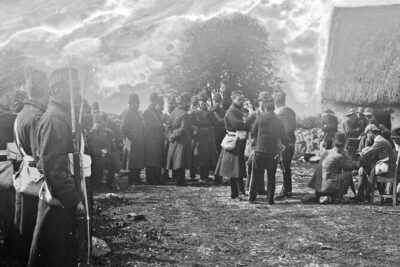 ★ 4.5Irish Famine Museum / Exhibition DublinFrom $18247 reviews
 ★ 4.5The Queenstown Story @ Cobh Heritage Centre , Great Stories of Emigration.From $18181 reviews
 ★ 5.0Walking Tour of Dublin’s Viking/Medieval Quarter with a VikingFrom $36171 reviews
Other lists this one is on