
REVIEW · IRELAND
2 Hour Walking Tour of Dublin’s City Centre
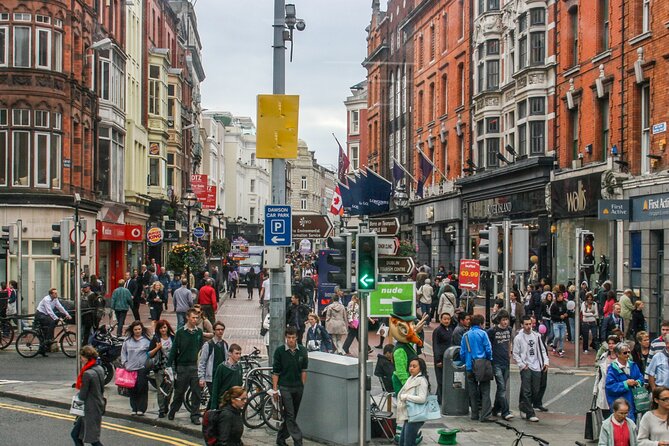
Dublin gets fast in the best possible way. This 2-hour, small-group walk helps you spot the city’s big sights without wrestling with a map, guided by people who clearly love talking Dublin. I like the clear hit-list of stops, plus the chance to connect with others on a maximum of 10. One thing to consider: the clock moves, and a few famous buildings need you to buy your own entry if you want to go inside.
You’ll start at the Gaiety Theatre on King St S, then work your way through the medieval core toward St Stephen’s Green. Pick the morning or afternoon slot that fits your day, and you’ll finish right by the park entrance at Fusiliers Arch, plus handy for the Luas tram.
If you want a practical Dublin “orientation first” plan, this is a solid way to get your bearings fast and learn what matters. Just go in knowing it’s a walking tour, with time set aside for stories and photo stops, not a long museum marathon.
In This Review
- Key Things That Make This Tour Work So Well
- Dublin City Centre in 2 Hours: A Quick Start You’ll Actually Use
- Starting at Gaiety Theatre, Ending by Fusiliers Arch (Yes, That Matters)
- What You Learn at Each Stop, and What It’s Like on the Ground
- Stop 1: Gaiety Theatre, Dublin’s Stage Door Stories
- Stop 2: Saint Patrick’s Cathedral, From St Patrick to Restorations
- Stop 3: Dublin Castle, Power, Prison, and a Wild Story
- Stop 4: Christ Church Cathedral, Vikings to Gothic, With a Whiff of Whiskey-Era Repair
- Stop 5: Temple Bar, From Reputation to a Tourist Hub
- Stop 6: Trinity College Dublin, The Book of Kells Context
- Stop 7: Bank of Ireland, Parliament in Disguise
- Stop 8: St Stephen’s Green, Elite Past to Public Park Present
- Guides Who Keep It Fun: What the Best Part Actually Feels Like
- Price and Value: Why $28.96 Can Be a Smart Use of Your Time
- Timing, Weather, and the Real-Life Walking Considerations
- Who This Tour Fits Best (and Who Might Want a Different Plan)
- Final Verdict: Should You Book This Dublin Walking Tour?
Key Things That Make This Tour Work So Well
- Small-group size (up to 10): less waiting, more room for questions and photo pauses
- A tight 2-hour route: you see major landmarks and still have time for your own wandering afterward
- Stops chosen for story, not just scenery: Anglo-Normans, Vikings, and the Guinness-era city reshape what you notice
- Guide-led engagement: expect questions, quizzes, and at least some fun along the way
- Easy start and convenient finish: Gaiety Theatre to St Stephen’s Green with the Luas right nearby
Other Dublin walks with the wind behind you
- Dublin Highlights and Hidden Gems Guided Walking Tour★ 5.0 · 6,020 reviews
- Dublin: Highlights and Hidden Gems Walking Tour★ 4.9 · 2,140 reviews
- 1916 Rebellion Walking Tour★ 5.0 · 1,605 reviews
- 90 Minute Dublin Walking tour and Sightseeing tips★ 5.0 · 916 reviews
Dublin City Centre in 2 Hours: A Quick Start You’ll Actually Use

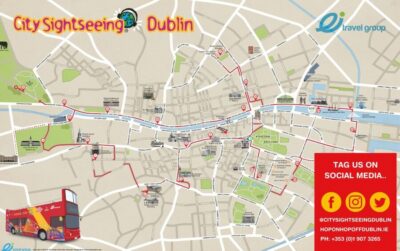
This tour works because it is designed for your first day, not your last day. In two hours, you get a guided route through Dublin’s central landmarks, which means later you can look at the map and actually understand where everything is. No guessing, no wandering in circles, no “wait, where is that again?”
I like that the pacing is set per stop, so you get a taste of each place instead of one long lecture. The result is simple: you leave knowing what each landmark is, why it matters, and what to circle for a return visit.
One practical note, especially if you pack lots of stops into a single day: walking tours like this are efficient, but they do limit your time inside buildings. If your top priority is getting deep into interiors, you’ll want to add separate ticketed visits later.
Starting at Gaiety Theatre, Ending by Fusiliers Arch (Yes, That Matters)
Meeting points can make or break a short tour. Here, you begin at the Gaiety Theatre on King St S, Dublin 2, and that’s the kind of landmark that’s easy to spot and easy to navigate toward. You also get to choose a morning or afternoon start time, which helps you match the tour to your energy and your schedule.
The end point is St Stephen’s Green, at 3 St Stephen’s Green, with the tour finishing by Fusiliers Arch near the main entrance on Grafton Street. That location is convenient because it sets you up for the next leg of your day, whether you want a relaxed park break, a café stop, or a quick hop via the Luas tram.
I also appreciate the “small-group” feel because you tend to arrive as a unit and leave as a unit. That makes it easier to keep track of where you are, especially when your day includes multiple attractions.
What You Learn at Each Stop, and What It’s Like on the Ground
The itinerary is structured around 15-minute segments at eight major stops. You’re mostly at the edges of these landmarks, getting context and key details so you can recognize what you’re seeing. If you want to go inside, the tour makes clear which stops are not covered by admission.
Stop 1: Gaiety Theatre, Dublin’s Stage Door Stories
You kick off at the Gaiety Theatre, a smart first stop because it anchors you in the city’s culture right away. The guide’s job here is to help you see Dublin as a living place, not just a list of stones and dates.
Expect a quick, story-driven intro that sets the tone for the rest of the walk. It’s also a nice way to break the ice because you can start asking questions immediately, and you’ll feel like you’re learning with the group instead of listening from a distance.
More of the city between the canals




Stop 2: Saint Patrick’s Cathedral, From St Patrick to Restorations
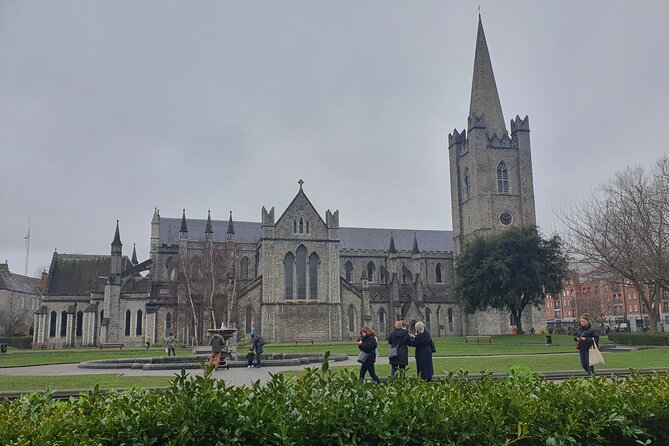
Next up is Saint Patrick’s Cathedral, closely tied to St. Patrick himself. This is where the tour leans into turning points, including how the building shifted over time from an Anglo-Norman foundation through periods of damage and rescue tied to the Guinness family.
If you’re the kind of visitor who likes to understand what you’re looking at, this is a great stop. You’ll get the “why” behind the visual mix, so the cathedral stops being confusing and starts feeling like a timeline you can walk around.
One consideration: admission is not included for this stop. If you want inside time, plan to book or pay separately.
Stop 3: Dublin Castle, Power, Prison, and a Wild Story
Then you’ll reach Dublin Castle, another strong “meaning-packed” location. The tour explains it as a place that started as an Anglo-Norman tower and turned into a grand complex, serving as a seat of power and also a prison.
And yes, you’ll hear about a daring jewel heist story tied to the castle. It’s the kind of detail that makes the place feel more real, because it connects the architecture to human drama.
Again, admission is not included here. The payoff is that you still get the big picture outside, which helps you decide later whether a ticket is worth it for you.
Stop 4: Christ Church Cathedral, Vikings to Gothic, With a Whiff of Whiskey-Era Repair
Christ Church Cathedral is the next stop, and it’s a good one for people who like layered origins. The tour points to its Viking founding in 1030 and then walks you through how later rulers shaped the building, including Anglo-Norman Gothic flair.
You’ll also hear about a 19th-century restoration funded in part by whiskey money. That detail alone is worth the stop because it gives you a sense of how Dublin’s priorities and funding sources have changed over the centuries.
Admission is not included for this stop. If you’re deciding whether you want to go in, you’ll likely be more motivated once you understand what to look for outside first.
Stop 5: Temple Bar, From Reputation to a Tourist Hub
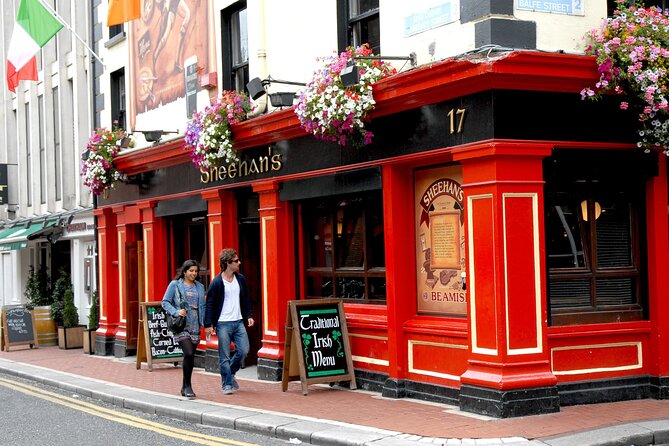
Temple Bar is next, and it’s one of the stops that can surprise you, in both good and practical ways. Once a maze-like neighbourhood with a notorious reputation, it’s now known for pubs, art galleries, and a lively nightlife scene.
The tour keeps it grounded, so you understand how the area shifted from something more disreputable to something people now actively visit. That context helps you sort out what you’re seeing when you wander the streets later.
Admission is marked as free for this stop, which also means you can treat it as a flexible break. Grab a quick drink or snack nearby if your feet need a reset, but don’t let it eat your whole afternoon.
Stop 6: Trinity College Dublin, The Book of Kells Context
Then you reach Trinity College Dublin. The campus is the kind of place where you can feel the importance without needing to read every plaque, and the tour helps by pointing out the school’s famous association with the Book of Kells.
Trinity also gives you a contrast moment after cathedrals and castles. You go from old power structures to learning as a power source.
Admission is free for this stop in the tour info, which makes it easier to linger at street level. If you want to enter deeper, you’ll still need to check what requires tickets on your specific day.
Stop 7: Bank of Ireland, Parliament in Disguise
The Bank of Ireland stop is a clever twist. This area used to be tied to Irish politics, including the Old Parliament House, and the tour links it to later architectural inspiration and the Act of Union.
I like this stop because it shows you how buildings change roles. A place that feels like finance today becomes something else historically, and your eyes start noticing patterns instead of only landmarks.
Admission is free for this stop, so it’s also a low-pressure place to stop, look around, and take photos without feeling like you need a ticket just to be there.
Stop 8: St Stephen’s Green, Elite Past to Public Park Present
You finish with St Stephen’s Green, and the tour’s explanation gives you a reason to care about the park beyond the pretty views. The green started as an exclusive space for Dublin’s elite, and the Guinness family’s influence helped shape how it became a public park enjoyed by everyone.
This is a perfect ending because it’s calmer. Your brain has had the history sprint, and now you get a slower moment, with a park that’s easy to enjoy on your own after the tour ends.
The tour ends by the main entrance on Grafton Street, which is convenient if you want to keep walking, grab lunch, or switch over to the Luas.
Guides Who Keep It Fun: What the Best Part Actually Feels Like

The biggest selling point, for me, is how the guide turns the route into a story you can follow. You’ll hear the city’s big eras in a way that feels connected, not like a disconnected set of facts.
In the guide style, you can often expect interactive elements. People have praised the use of games, quizzes, and questions to keep different ages engaged, including families with kids. There are also mentions of old photos used like props to make stories easier to picture, plus guides who are patient with photo stops.
Names that show up often in positive experiences include Alin, Allen, and Alan, with multiple guests highlighting that these guides ask if you have questions and keep the pace lively without turning it into chaos. If you’re hoping for a tour where you can actually talk to the guide, this is a good match.
Price and Value: Why $28.96 Can Be a Smart Use of Your Time
At $28.96 per person for an approx. 2-hour walk, you’re paying for three things: a local guide, a curated route, and time-saving structure. In cities like Dublin, the “structure” is what you feel most. Without it, you’d likely spend your first afternoon trying to figure out what to prioritize, and then you miss the chance to connect landmarks into a coherent story.
Some stops do not include admission for entries, like St Patrick’s Cathedral, Dublin Castle, and Christ Church Cathedral. That means you’re not buying a full attractions package here. You’re buying the context that helps you decide what is worth your money and your time later.
If you’re on a schedule, or you want a first-day plan that does not depend on getting your bearings right away, this price starts to make sense fast. You also get the small-group format, which you can feel in how smoothly the walking pace and questions work.
Timing, Weather, and the Real-Life Walking Considerations
This is a walking tour with a moderate physical fitness level requirement. It’s not described as strenuous, but it is still a city walk, so plan for comfortable shoes and a quick water break now and then.
Also, Dublin weather can change quickly. Bring a light layer or a rain shell. The tour time blocks keep you moving, but you don’t want to spend your energy fighting the weather.
Finally, this experience is often booked around 33 days in advance on average. That doesn’t mean you must book months ahead, but it does suggest that popular start times can fill up. If your schedule is tight, I’d lock it in sooner rather than later.
Who This Tour Fits Best (and Who Might Want a Different Plan)

You’ll love this tour if you want an efficient overview of Dublin’s city center in a short time. It’s especially good as a first stop on your trip, because the route helps you understand where you are and what you’re looking at when you roam later.
It also fits families, since the engagement style can include games and interactive moments that work well across ages. If you’re visiting for a long weekend, it’s a strong way to get the highlights without spending the whole day in transit.
If you prefer to spend most of your time inside major attractions, you might find the tour a bit light on interior time. Since admissions for key stops like the cathedral and castle are not included, you’ll likely want to pair this with one or two ticketed follow-up visits.
Final Verdict: Should You Book This Dublin Walking Tour?
Yes, I’d book it if your goal is a smooth, story-led introduction to Dublin’s most important landmarks. The small-group size, the clear route, and the guide-led context are exactly what you need to turn a first day into a day you can actually build on.
I would not book it as your only Dublin plan if your dream is deep, long museum-style visits. Instead, think of it as your foundation. Take the walk, learn what to look for, then choose your own next stops with confidence.
More of Dublin Underfoot
The Wider Dublin Pile
Elsewhere on The Ireland Traveler
Lately added to the Dublin pile
- Waterford Crystal and Kilkenny Full-Day Rail Tour from Dublin
★ 5.0 · 3 reviews - Turtle Bunbury’s Dublin: A Self-Guided Audio Tour from a Celebrated Author
★ 5.0 · 3 reviews - Cliffs of Moher and The Burren Private Tour from Dublin
★ 5.0 · 3 reviews - Dublin Full-Day Tour through Boyne Valley
★ 5.0 · 3 reviews - Rock Of Cashel And Blarney Castle Private Chauffeur Full Day Sightseeing Tour
★ 4.5 · 3 reviews - Private Irish Fusion Meal in a Modern Home in Skerries, Dublin
★ 5.0 · 3 reviews
More Walking Tours, side by side.
 ★ 5.0Dublin Highlights and Hidden Gems Guided Walking TourFrom $296,020 reviews
 ★ 4.9Dublin: Highlights and Hidden Gems Walking TourFrom $272,140 reviews
 ★ 5.01916 Rebellion Walking TourFrom $271,605 reviews
 ★ 5.090 Minute Dublin Walking tour and Sightseeing tipsFrom $21916 reviews
 ★ 5.02-Hour Historical Walking Tour from DublinFrom $22875 reviews
 ★ 4.7Historical 2-Hour Guided Walking Tour of DublinFrom $22865 reviews
 ★ 5.0Dublin Traditional Irish 3 Course Meal Walking Tour with LocalFrom $107755 reviews
 ★ 4.9Dublin: Mythology, Folklore and Legends Walking TourFrom $27703 reviews
Other lists this one is on