
REVIEW · IRELAND
Dublin: Highlights and Hidden Corners Walking Tour
Dublin gets personal on this walk. In just 2.5 hours, you get a smart first look at the city centre, with small-group energy and story-driven guiding that can feel like a chat with a local. Guides like Joe Brennan, Jacob, and Katie bring the jokes and the facts, and the route keeps you moving through the right places at the right time.
One of my favorite parts is how it threads together Dublin’s key landmarks with the in-between lanes. You’ll pass City Hall, O’Connell Street, and the Trinity College area for the Book of Kells finish, while also catching Dublin’s offbeat details along the way, not just the obvious photo stops.
The main thing to keep in mind is that almost everything is external only, so if you’re hoping to go inside churches or buildings as part of the ticket, plan to add those separately after the tour. Also, the pace is great for many people, but if you prefer a very slow walk, you may want to speak up on the day.
In This Review
- Key things you’ll notice on this Dublin walk
- Why 2.5 hours in Dublin center works so well
- Where the tour starts: Tree of Gold on Dame Street
- Dublin Castle and Christ Church: medieval focus without museum fatigue
- City Hall and the O’Connell Street backbone
- Temple Bar lanes: Fishamble Street, Smock Alley, and Meeting House Square
- Oddball Dublin facts: tram-café, da Vinci-style art, and a naked composer
- Millennium Bridge over the River Liffey: that wobbly moment
- Italian Quarter and St Mary’s: when a church becomes a bar
- Henry & Moore Streets and the city’s “in-between” textures
- Former Parliament House (Bank of Ireland) and the O’Connell Monument area
- Finish outside Trinity College: Book of Kells without the pressure
- Price and pacing: what you’re paying for
- Who this Dublin tour suits best
- Should you book this Dublin highlights and hidden corners tour?
- FAQ
- How long is the Dublin Highlights and Hidden Corners Walking Tour?
- How much does the tour cost?
- Where do I meet the guide?
- Where does the tour end?
- Is the tour wheelchair accessible?
- Are visits inside landmarks included?
- What landmarks and areas does the route include?
- What language is the live guide?
- What’s included in the price?
- Is there free cancellation or reserve-and-pay-later options?
Key things you’ll notice on this Dublin walk
- Max 16 people, often fewer, which makes questions easy and the stories feel personal
- External-only viewing, with the route built around Dublin’s streets, façades, and city geometry
- Crosses both sides of the River Liffey, so you get your bearings fast
- Millennium Bridge moment, including the fun detail of a wobbly, bouncy crossing
- Lots of short, memorable curiosities, like a former Lisbon tram repurposed as a café and a weirdly funny da Vinci-style art clue
- Trinity College finish area, ending near the spot connected to the Book of Kells
Other Dublin walks with the wind behind you
- Dublin Highlights and Hidden Gems Guided Walking Tour★ 5.0 · 6,020 reviews
- Dublin: Highlights and Hidden Gems Walking Tour★ 4.9 · 2,140 reviews
- 1916 Rebellion Walking Tour★ 5.0 · 1,605 reviews
- 90 Minute Dublin Walking tour and Sightseeing tips★ 5.0 · 916 reviews
Why 2.5 hours in Dublin center works so well
If it’s your first day in Dublin, this is the kind of tour that helps your brain lock the city into place. You start in the heart of the action on Dame Street and work your way through the central neighborhoods that most visitors want to understand quickly. By the time you’re done, you’ll know how to connect major sights to the streets between them.
I also like the format because it stays light and easy-going. The walk covers a lot of ground without turning into a sprint. One guide even gets singled out for pace, with people saying it felt just right, not rushed.
For value, it’s hard to beat a $31 price point for a professional, well-trained guide and a route that hits both the big classics and the strange little details you’d miss on your own. You’re paying for direction, context, and the human stories that make the buildings mean something.
Where the tour starts: Tree of Gold on Dame Street
You meet at the Tree of Gold Statue (Crann an Óir) in Central Plaza, right at the corner of Dame Street and Fownes Street Upper. It’s a simple, central meetup spot, and it helps you start in a place where you can easily orient yourself before the walking begins.
From there, the guide leads you into the former Viking and medieval quarter. Even if you don’t know Dublin’s timeline yet, the route gives you clues as you go, so the city starts to feel like one connected story rather than a pile of separate landmarks.
If you’re using public transport, this is also the kind of area where you can arrive without drama. And if you’re hungry, you’re starting near plenty of options for a pre-walk snack, then you can grab a proper meal after.
Dublin Castle and Christ Church: medieval focus without museum fatigue
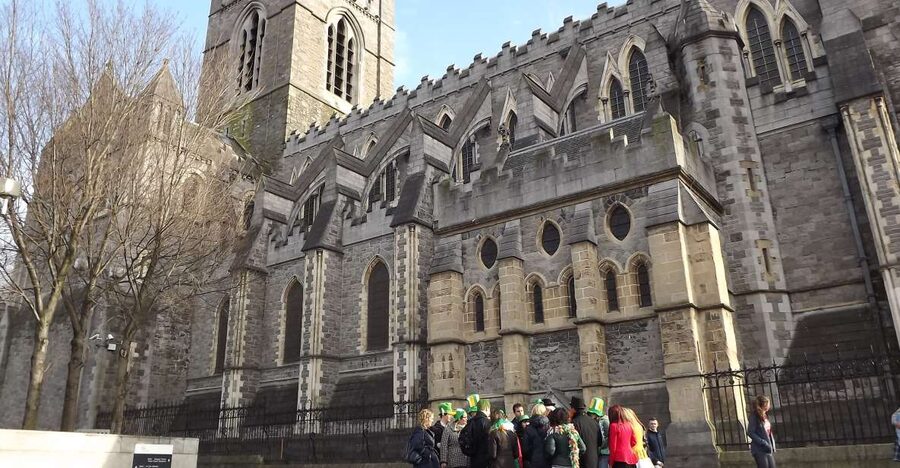
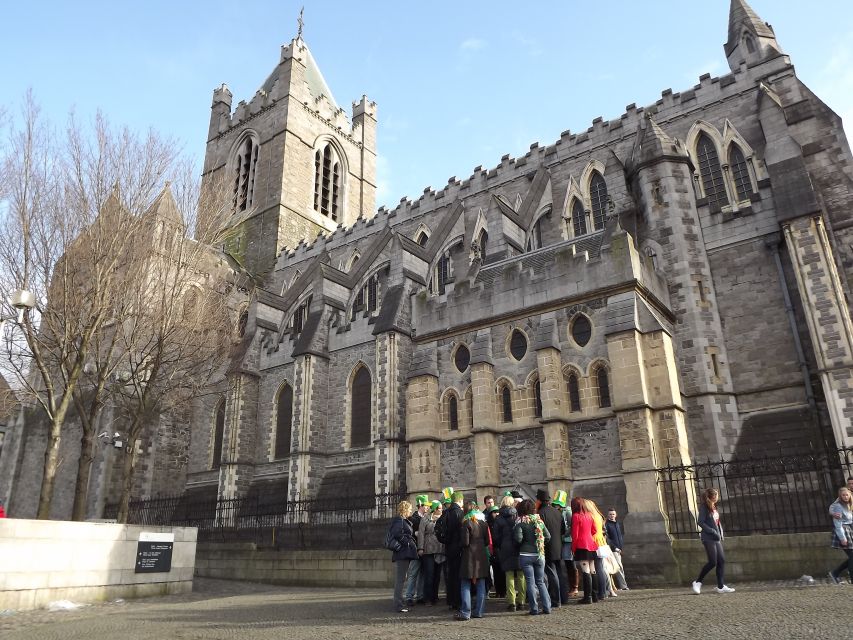
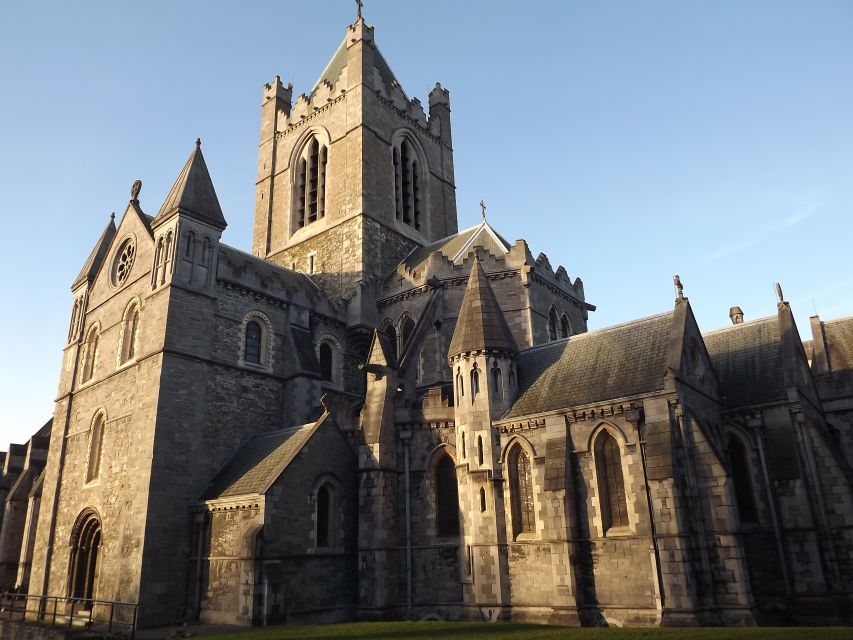
Early on, you’ll be guided past Dublin Castle grounds and gardens and toward Christ Church Cathedral. Because the visits are external, you’re not stuck in lines or inside queues. You get the visual sense of scale and style, then you get the stories that explain why these places mattered.
This part of the tour is especially good for understanding Dublin’s layers. You move from older streets and architectural shapes into newer city patterns, and your guide ties it all together with clear, human storytelling. People often highlight how much they learned that they wouldn’t hear on their own, and this segment is a big reason why.
Practical tip: wear shoes you can trust. The route is designed for walking between major points, and you’ll want comfortable footing on uneven city streets.
City Hall and the O’Connell Street backbone
As the walk shifts toward the city’s modern rhythm, you’ll hit areas like City Hall and the long main spine of O’Connell Street. This is where Dublin feels most obviously like a capital city, with the monuments and the wide-open street layout that makes the scale of the city feel real.
You also pass the General Post Office area, which comes up for one of the most important modern events in Ireland’s story: the 1916 Rising. The guide explains how the building housed headquarters for the rebels and how the destruction affected the street and surrounding area. That context does more than satisfy curiosity. It makes the street feel like a living document.
On O’Connell Street itself, you’ll see the O’Connell Monument, which gives you a visual anchor as the guide connects public space to politics, memory, and identity.




Temple Bar lanes: Fishamble Street, Smock Alley, and Meeting House Square
The tour doesn’t keep you stuck at the big viewpoints. It turns into the smaller, character-filled lanes near Temple Bar, including stops around Fishamble Street and Smock Alley and Meeting House Square.
This is where Dublin’s “street life” energy shows up. Narrow lanes, old building shapes, and the kind of storefront detail that most people skip while walking past. You’ll get pointed to specific curiosities, not just general impressions.
One of my favorite ways this part of the route works is how it connects a place to what actually happened there, not just what the building looks like. That’s how you learn to read the city.
Oddball Dublin facts: tram-café, da Vinci-style art, and a naked composer
A big reason people love this tour is the way the guide keeps delivering surprising details in normal, everyday places. You don’t need a museum ticket for a lot of these moments.
Along the way, you’ll hear stories tied to things like:
- a church that’s not a church
- a former Lisbon tram now serving as a café
- an amusing representation of a da Vinci painting
- a post-box tale linked to Ireland’s transition to independence
- a stark-naked representation of a very famous 18th century composer
Even if you don’t remember every reference, you’ll remember the feeling. Dublin is full of odd humor and symbolic twists, and this route teaches you how to spot them.
Millennium Bridge over the River Liffey: that wobbly moment
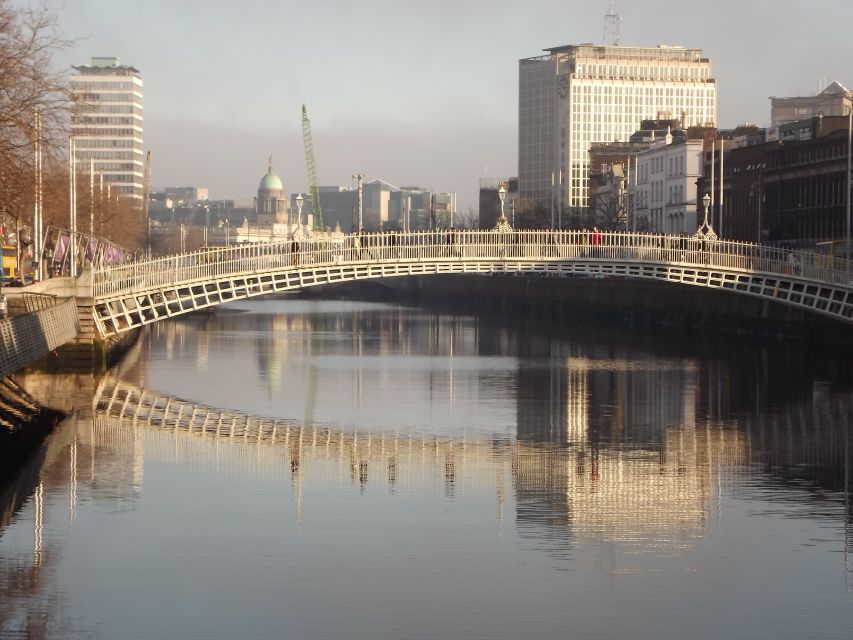
Crossing the Millennium Bridge and walking along the River Liffey is one of the easiest ways to understand the city’s geography. It also creates a natural break in the tour rhythm, so you can look around and reset.
You’ll also get a fun, sensory detail: the guide points out the bridge’s wobbly feel. It’s the kind of moment that makes the tour feel more vivid than just watching buildings from the sidewalk.
On a map, Dublin can look “simple.” Up close, the river controls the flow of streets and neighborhoods. This stop makes the city feel structured.
Italian Quarter and St Mary’s: when a church becomes a bar
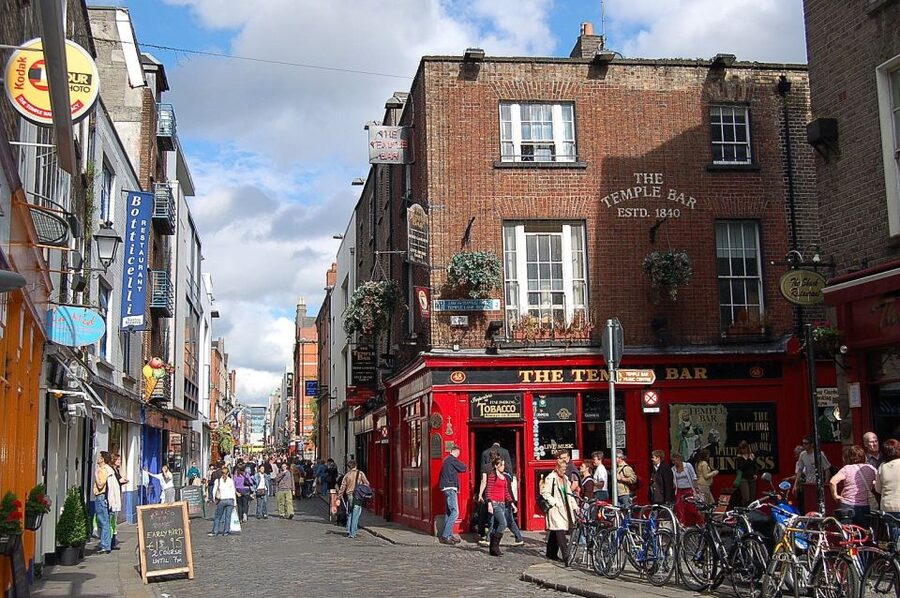
The route includes the Italian Quarter, plus St Mary’s Church, which is now a famous café/bar. This is another good example of why the tour works for real understanding.
Dublin changes over time, and you can see that change in what buildings are used for today. It’s not just trivia. It teaches you how a city keeps its old face while repurposing its spaces.
If you like travel where you can connect architecture to everyday life, this segment is a winner.
Henry & Moore Streets and the city’s “in-between” textures
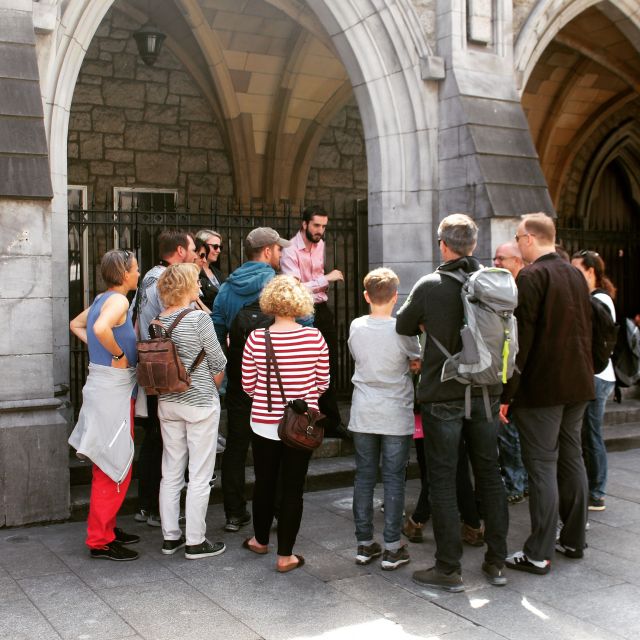
You’ll pass through Henry & Moore Streets, plus other central corners like the lanes around Temple Bar and the street-side spaces leading toward O’Connell Street. These are not just walking connectors. They’re where Dublin’s charm shows up at human speed.
This is also where the small-group structure matters. When you’re not stuck behind a crowd, you can slow down when the guide points something out, and you can ask quick questions without the group falling apart.
One small caution: you’ll be outside most of the time, so keep an eye on weather. Dublin can shift quickly, and you’ll want a light layer.
Former Parliament House (Bank of Ireland) and the O’Connell Monument area
As the tour nears its end, it shifts back into the more formal, landmark-heavy zone. You’ll pass the former Parliament House, now the Bank of Ireland, which helps connect Dublin’s civic power to the shapes of the streets.
This section is built to leave you with a bigger-picture feeling. You’re not only seeing what a place looks like, you’re seeing how governance, conflict, and public space shaped the city centre.
The guide’s stories help you understand why certain streets feel especially charged. Once you know the context, O’Connell Street is more than a street name. It’s a timeline you’re walking through.
Finish outside Trinity College: Book of Kells without the pressure
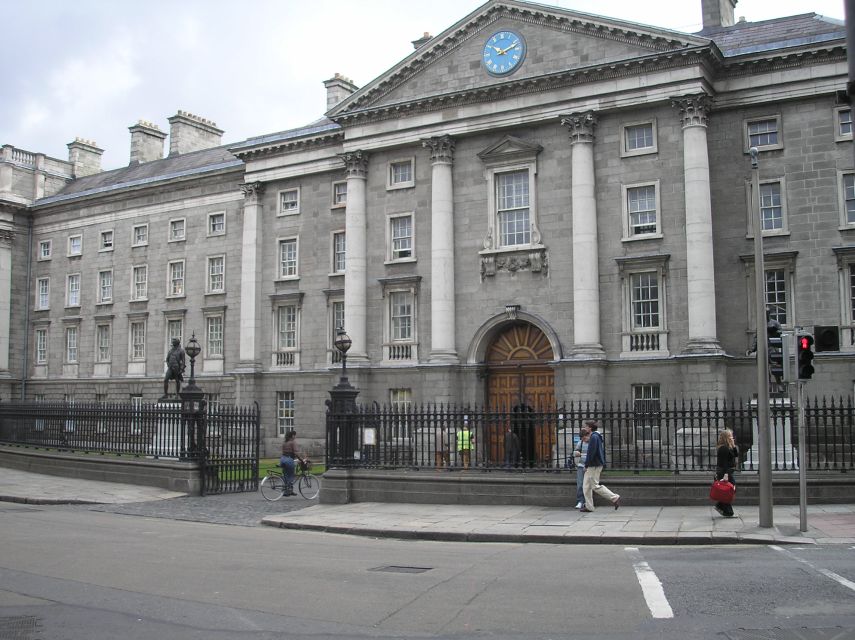
The tour ends around Trinity College, with the finish positioned near the famed Book of Kells area. Importantly, visits are external only, so you’ll be seeing it from the outside as part of the walk.
That said, the structure still makes sense. You get your bearings and your curiosity is piqued, so it’s easy to decide later if you want to add interior time on your own.
People like the tour length for a reason here. It’s long enough to feel satisfying, but short enough that you still have energy left for a proper evening plan.
Price and pacing: what you’re paying for
At $31 per person, you’re not paying for entry fees or private transportation. You’re paying for a professional guide and a route design that blends major landmarks with street-level surprises.
The pacing is also part of the value. Many people describe the walking pace as well judged and the structure as organized. One downside comes up too: a few folks wanted it slower, which likely means the tour is geared for efficiency rather than an ultra-relaxed stroll.
So here’s the practical guidance: if you’re comfortable walking for about 2.5 hours, you’ll probably enjoy the flow. If you’re sensitive to pace, it’s worth letting the guide know early that you need frequent pauses.
Who this Dublin tour suits best
This is a great fit if you:
- want a first-time Dublin city-centre overview with real context
- like history told through people, not just dates
- enjoy walking tours that add humor and odd details
- want help connecting the dots between Dublin’s north and south sides around the River Liffey
It may be less ideal if you:
- want lots of indoor entry stops during the tour itself (most viewing is external)
- prefer very slow, minimal walking
Should you book this Dublin highlights and hidden corners tour?
Yes, I’d book it if you want your Dublin days to start with clarity. The route hits the landmarks you’ll want to see anyway, then it adds street-level surprises that make the city feel specific instead of generic. With small-group size and guides who bring a sense of humor, it’s one of the better ways to get oriented fast.
If your schedule allows only one guided walk, this is the one I’d pick for the mix of big sights and clever side streets. Just go in knowing it’s mostly exterior viewing, then use that momentum to explore interiors later at your own pace.
FAQ
How long is the Dublin Highlights and Hidden Corners Walking Tour?
The tour lasts about 2.5 hours.
How much does the tour cost?
The price is $31 per person.
Where do I meet the guide?
Meet at the Tree of Gold Statue (Crann an Óir), Central Plaza, Dame Street, Dublin 2, at the corner of Dame Street and Fownes Street Upper.
Where does the tour end?
The tour ends back at the meeting point.
Is the tour wheelchair accessible?
Yes, it is listed as wheelchair accessible.
Are visits inside landmarks included?
All visits are external during the tour. Opportunities for inside visits may be available after the tour.
What landmarks and areas does the route include?
You will pass or visit areas including City Hall, O’Connell Street, Trinity College area, Dublin Castle grounds and gardens, Christ Church Cathedral, Fishamble Street and Smock Alley, Meeting House Square in Temple Bar, Millennium Bridge and the River Liffey, the Italian Quarter, St Mary’s Church (now a famous café/bar), Henry & Moore Streets, the General Post Office, O’Connell Monument, and the former Parliament House (Bank of Ireland).
What language is the live guide?
The tour guide speaks English.
What’s included in the price?
A professional, well-trained guide is included.
Is there free cancellation or reserve-and-pay-later options?
Yes. You can cancel up to 24 hours in advance for a full refund, and you can reserve now and pay later.
More of Dublin Underfoot
The Wider Dublin Pile
Elsewhere on The Ireland Traveler
Lately added to the Dublin pile
- Waterford Crystal and Kilkenny Full-Day Rail Tour from Dublin
★ 5.0 · 3 reviews - Turtle Bunbury’s Dublin: A Self-Guided Audio Tour from a Celebrated Author
★ 5.0 · 3 reviews - Cliffs of Moher and The Burren Private Tour from Dublin
★ 5.0 · 3 reviews - Dublin Full-Day Tour through Boyne Valley
★ 5.0 · 3 reviews - Rock Of Cashel And Blarney Castle Private Chauffeur Full Day Sightseeing Tour
★ 4.5 · 3 reviews - Private Irish Fusion Meal in a Modern Home in Skerries, Dublin
★ 5.0 · 3 reviews
More Walking Tours, side by side.
 ★ 5.0Dublin Highlights and Hidden Gems Guided Walking TourFrom $296,020 reviews
 ★ 4.9Dublin: Highlights and Hidden Gems Walking TourFrom $272,140 reviews
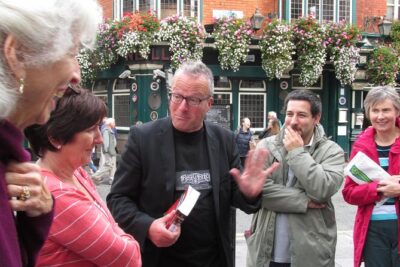 ★ 5.01916 Rebellion Walking TourFrom $271,605 reviews
 ★ 5.090 Minute Dublin Walking tour and Sightseeing tipsFrom $21916 reviews
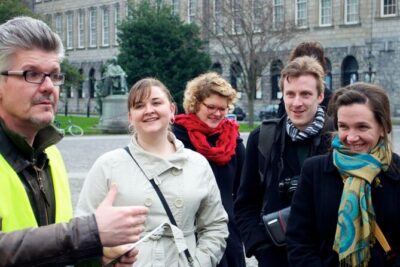 ★ 5.02-Hour Historical Walking Tour from DublinFrom $22875 reviews
 ★ 4.7Historical 2-Hour Guided Walking Tour of DublinFrom $22865 reviews
 ★ 5.0Dublin Traditional Irish 3 Course Meal Walking Tour with LocalFrom $107755 reviews
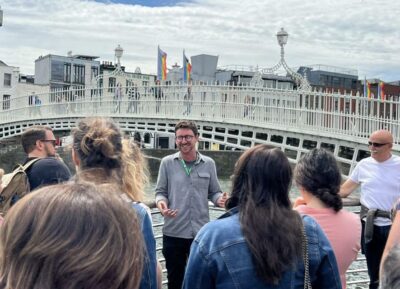 ★ 4.9Dublin: Mythology, Folklore and Legends Walking TourFrom $27703 reviews
Other lists this one is on