
REVIEW · DUBLIN
The History of Dublin With Locals: 1916 Easter Rising PRIVATE Tour
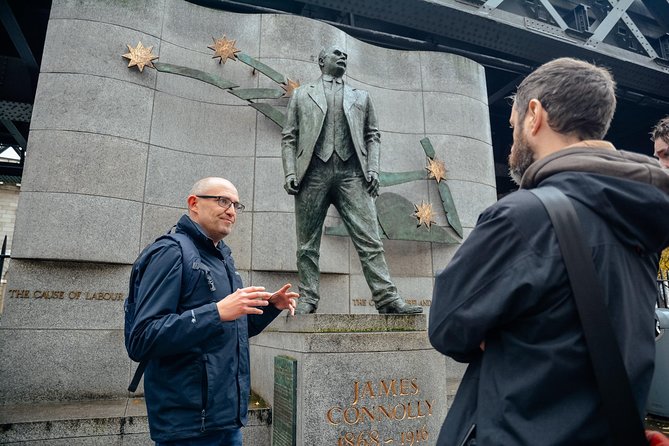
One rebellion, a thousand doorways. This private Dublin walk turns the 1916 Easter Rising into street-level reality. You get one local guide instead of a herd, so you can ask follow-up questions and set the pace.
I especially like the way the tour anchors the story at the General Post Office (GPO), the Rising leaders used as their headquarters. The second highlight is the calm, free visit to the Garden of Remembrance, where the focus shifts from slogans to the people who paid the ultimate price.
One thing to plan for: it is a walking tour with a moderate fitness level, and your route can vary by your host. Also, some extra stops that you might expect can depend on timing or hours, so you should wear comfy shoes and keep a flexible mindset.
In This Review
- Key takeaways before you go
- Why the 1916 Easter Rising story works best with a local host
- Meeting Point to Collins Barracks: the 3.5-hour walking rhythm
- Stop 1: An Post General Post Office, where the Rising was run from
- Stop 2: The Garden of Remembrance, a quieter side of 1916
- Extra stops that depend on your guide’s route
- The real star: your guide, from Keelan to Eamon to Ruairi
- Price and value: what 135.16 buys you in real terms
- Practical advice: how to make the walk enjoyable
- Should you book this Dublin 1916 private tour?
- FAQ
- How long is the History of Dublin With Locals: 1916 Easter Rising private tour?
- What is the price per person?
- Is this a private tour or a group tour?
- Where do we meet and where does the tour end?
- What stops are included in the itinerary?
- Are there entrance fees for the main stops?
- What is included in the tour price?
- What fitness level do I need?
Key takeaways before you go

- Private, just you and your guide, so you can linger on details that matter to you
- GPO as a centerpiece, with the building context that makes the Rising easier to understand
- Free Garden of Remembrance stop, a thoughtful pause that is not just photo time
- Route flexibility, meaning your exact extra stops can shift based on your guide
- You control the pace, which many guides use to slow down for questions or mobility needs
More Irish history taken at walking pace
- Dublin EPIC Museum Admission Ticket★ 4.5 · 1,729 reviews
- Dublin Literary Pub Crawl★ 4.5 · 1,607 reviews
- 1916 Rebellion Walking Tour★ 5.0 · 1,605 reviews
- Dublin: EPIC Museum Entrance Ticket★ 4.6 · 816 reviews
Why the 1916 Easter Rising story works best with a local host
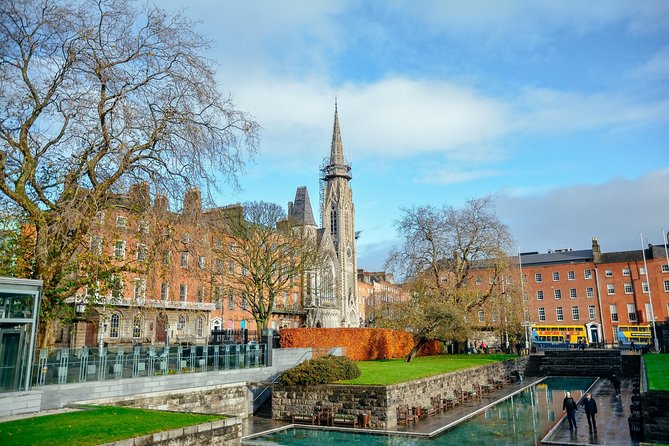
The Easter Rising can feel like a textbook chapter until you stand somewhere it actually happened. In central Dublin, buildings and street layouts do a lot of storytelling for you. This tour is built around that idea: the history is not floating in midair, it is attached to what you can see outside.
What makes this experience practical is the private format. Instead of rushing through a script, you can ask, pause, and go back to what puzzled you. That is how the political gets personal, and how dates start behaving like real events.
You will also find that the guides vary in style, but they share one common talent: turning facts into scenes. In previous tours, guides like Keelan and Eamon have helped people connect the dots, while Ruairi has a knack for spotting small things in back streets that most people miss.
Meeting Point to Collins Barracks: the 3.5-hour walking rhythm
The tour starts at Custom House Quay, North Wall, and ends at Collins Barracks, Benburb St, Stoneybatter. Expect about 3 hours 30 minutes, give or take, and plan for a solid walk.
It helps to know this is designed for a moderate physical fitness level. Some people do this comfortably, but if you normally dislike long city walks, bring your best walking shoes and build in patience. One of the most repeated compliments is that guides can slow down when needed, like when someone has trouble walking too fast.
Also note you will be near public transportation at the start. That matters if you want an easy arrival, or if you decide to extend your day afterward with more exploring on your own.
Stop 1: An Post General Post Office, where the Rising was run from
Your first big stop is the An Post General Post Office (GPO). This is one of Dublin’s most famous buildings, and the main reason it matters for 1916 is clear: it served as the headquarters of the leaders during the Easter Rising.
I like that the tour begins here because the GPO gives you a visual anchor fast. You can look at a grand Georgian public building and immediately understand why it would be a statement location. The guide can then connect the setting to the decisions people made, and the stakes of being in the heart of the city.
Admission here is listed as free, so you are not juggling ticket logistics while your brain is trying to absorb a complicated moment in Irish history. Instead, you can focus on what the guide points out, and on how this building shaped the story.
If you enjoy history that is tied to architecture and place, this stop is your foundation. Without it, the later details can feel like names on a timeline. With it, the timeline becomes a path you can walk.
Stop 2: The Garden of Remembrance, a quieter side of 1916
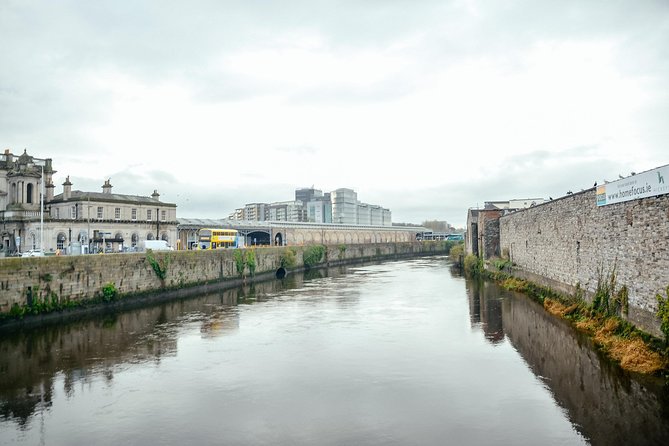
After the GPO’s dramatic role, the tour shifts to the Garden of Remembrance. This memorial garden honors all those who gave their lives in the cause of Irish freedom, and it sits in the northern part of the former Rotunda Gardens in Parnell Square.
What I like about including this stop is the emotional balance. The Easter Rising is often told in headlines and strategy, but a memorial space forces a different kind of attention. It slows you down just enough to remember that history is made by people, not only by plans.
This stop is also listed as free admission. So you get a meaningful pause without paying extra. Plus, because it is a garden, it is a nice change of pace from street walking and busy intersections.
If your group likes thoughtful moments, this stop delivers. If your group is purely mission-focused and wants constant action, you still probably appreciate it because it frames the rest of the story in human terms.
Other trips where the minibus is yours alone

Extra stops that depend on your guide’s route
Besides the GPO and Garden of Remembrance, additional stops can appear depending on your host and the route they choose. In a private tour, that flexibility is often a benefit, not a bug, because it lets your guide tailor the story to your interests and the day’s conditions.
I do suggest you plan with the understanding that not every stop is guaranteed to match another group’s experience. One reason is practical: city timing and access can matter. Another reason is storytelling. A good guide picks routes that fit what they want you to understand next.
Some tours may include sites tied to imprisonment and later detours in the Rising narrative. If your route includes places like Kilmarnin Gaol or a cemetery, hours can become a factor. If you really care about seeing a specific place, it is worth asking your guide early in the tour, so they can confirm what is on the plan for today.
This is also where the private format shines. If you feel like a certain question matters, you can steer the route talk. A guide can often adjust the order of streets or spend more time at the most relevant corners.
The real star: your guide, from Keelan to Eamon to Ruairi
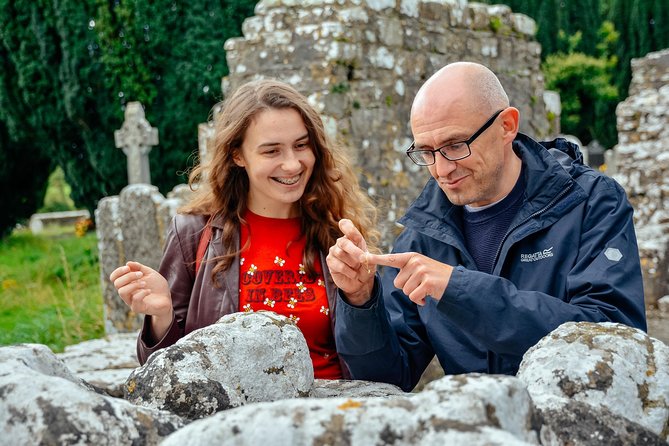
In reviews, the loudest praise is consistent: the guides are able to make people feel involved. They keep questions moving, explain clearly, and shape the pacing so you do not feel shoved along.
I see this a lot with guides like Keelan, who has been noted as local to the area and patient with slower walking pace. I also like the stories people tell about Eamon, especially how he uses pictures and gives answers for offbeat questions. That approach matters because it helps you follow the thread even if your background knowledge is light.
Ruairi is another name you may hear, and the theme is tailoring. A guide who customizes does not just repeat facts, they adjust the story length and detail level based on what your group wants to learn. That is a big deal on a topic like 1916, where you can easily end up with too much or too little.
You can also benefit from guides who point out small details you might otherwise ignore. These include subtle building features and back-street connections that help you understand how events unfolded through ordinary Dublin spaces.
Bottom line: if you get a guide who communicates well, this tour goes from history lesson to walking conversation. And that is when you start remembering what you saw, not just what you were told.
Price and value: what 135.16 buys you in real terms
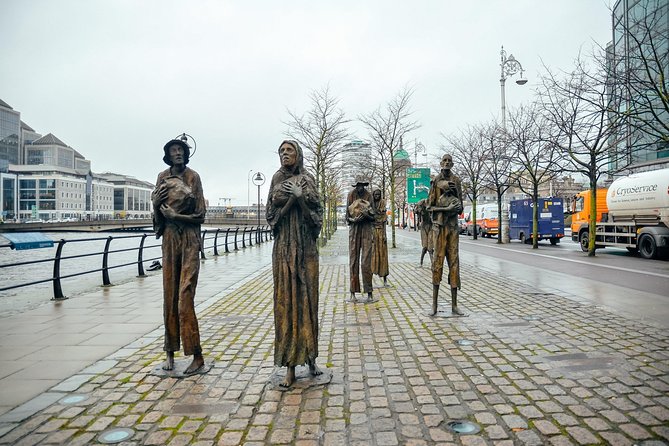
At $135.16 per person, you are paying for a private, 3.5-hour experience with a local host. That price is not about a museum ticket or a bus ride. It is about time, pacing, and the guide’s ability to connect the city to the Rising.
The biggest value angle is that you skip group-tour pressure. You are not stuck waiting for everyone to catch up, and you are not limited by a tight group schedule. With a private tour, you can ask a second question without feeling like you are slowing down the machine.
You also get CO2 neutral touring, with emissions carbon offset. That is not going to change the story inside the GPO, but it is a nice alignment if you prefer more responsible travel choices.
And because the first two major stops are listed as free admission, you are not buying extra entry fees for the core experience. Any additional attraction costs would typically fall outside the included items, so it helps to ask your guide what you might encounter along the route.
If you are traveling as a couple or small group, this is one of those prices that can feel more reasonable compared to booking separate paid entrances plus an audio guide plus time spent figuring it out on your own.
Practical advice: how to make the walk enjoyable
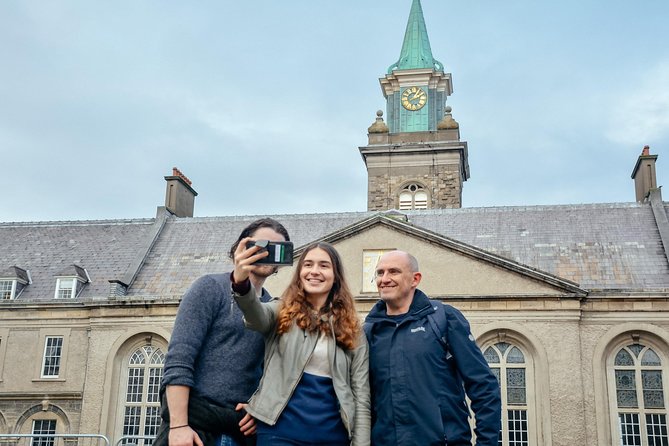
Start with footwear. This is a walking tour, and the physical effort is part of the deal. Comfortable, supportive shoes will do more for your experience than almost any travel tip.
Bring a question list. On a private tour, it is smart to show up with two or three things you want to understand: motivations, key turning points, or how the Rising played out afterward. Then ask follow-ups as the guide points out details.
If the weather shifts, stay calm. Dublin weather can change quickly, and many guides are used to adjusting pacing in the rain. One of the consistent compliments is that guides do not rush you even when conditions are unpleasant.
Also, treat the tour as a framework for your next day. After you finish near Collins Barracks, you will have context for central Dublin that makes casual street wandering more meaningful. You will spot connections instead of just landmarks.
Should you book this Dublin 1916 private tour?
You should book if you want history tied to specific places, and you like the idea of learning at your own pace. It is ideal for couples, friends, or families who want a focused afternoon without tour-group friction. It is also a strong choice if you care about getting answers, not just hearing a story.
You might skip it, or at least adjust expectations, if you dislike walking in city centers or if you need a very strict, stop-by-stop itinerary. Because the route can vary and some additional sites can depend on timing, you should be flexible and ask your guide what is planned for your day.
If you do book, aim to find a guide who communicates in a way you enjoy. Based on past experiences with guides such as Keelan, Eamon, Ruairi, and Marius, the tour can be excellent when you get someone who turns the streets into a living timeline.
FAQ
How long is the History of Dublin With Locals: 1916 Easter Rising private tour?
It lasts about 3 hours 30 minutes.
What is the price per person?
The price is $135.16 per person.
Is this a private tour or a group tour?
It is a private tour, meaning it is only your group with a local guide.
Where do we meet and where does the tour end?
You meet at Custom House Quay, North Wall, Dublin and the tour ends at Collins Barracks, Benburb St, Stoneybatter, Dublin.
What stops are included in the itinerary?
The tour includes An Post General Post Office (GPO) and the Garden of Remembrance. Other stops may be included depending on your guide’s chosen route.
Are there entrance fees for the main stops?
Both the GPO and the Garden of Remembrance are listed with free admission.
What is included in the tour price?
You get a private guide. The tour is also marked as CO2 neutral with emissions offset.
What fitness level do I need?
The tour notes a moderate physical fitness level and is a walking experience, so comfy shoes help.
The Wider Dublin Pile
The Story, Told on Foot
Elsewhere on The Ireland Traveler
Lately added to the Dublin pile
- Waterford Crystal and Kilkenny Full-Day Rail Tour from Dublin
★ 5.0 · 3 reviews - Turtle Bunbury’s Dublin: A Self-Guided Audio Tour from a Celebrated Author
★ 5.0 · 3 reviews - Cliffs of Moher and The Burren Private Tour from Dublin
★ 5.0 · 3 reviews - Dublin Full-Day Tour through Boyne Valley
★ 5.0 · 3 reviews - Rock Of Cashel And Blarney Castle Private Chauffeur Full Day Sightseeing Tour
★ 4.5 · 3 reviews - Private Irish Fusion Meal in a Modern Home in Skerries, Dublin
★ 5.0 · 3 reviews
More Irish History and Heritage Walks, side by side.
 ★ 4.5Dublin EPIC Museum Admission TicketFrom $251,729 reviews
 ★ 4.5Dublin Literary Pub CrawlFrom $271,607 reviews
 ★ 5.01916 Rebellion Walking TourFrom $271,605 reviews
 ★ 4.6Dublin: EPIC Museum Entrance TicketFrom $24816 reviews
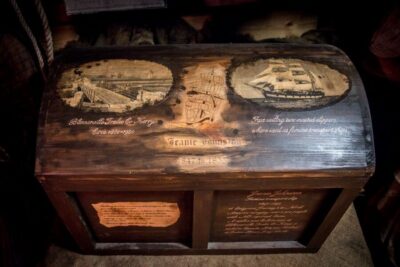 ★ 4.8Dublin: Jeanie Johnston Tall Ship Irish Famine History TourFrom $16431 reviews
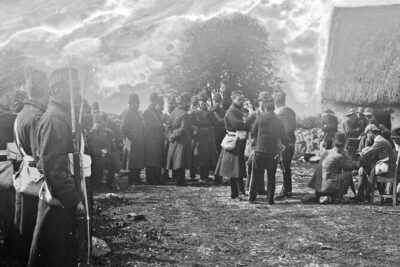 ★ 4.5Irish Famine Museum / Exhibition DublinFrom $18247 reviews
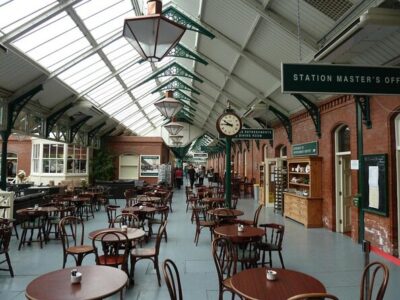 ★ 4.5The Queenstown Story @ Cobh Heritage Centre , Great Stories of Emigration.From $18181 reviews
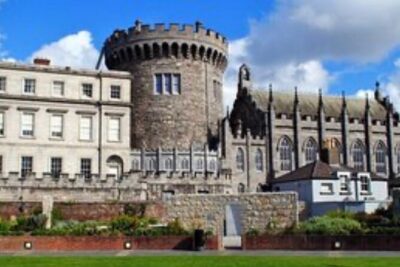 ★ 5.0Walking Tour of Dublin’s Viking/Medieval Quarter with a VikingFrom $36171 reviews
Other lists this one is on