

REVIEW · IRELAND
Walking Tour of Dublin
Dublin clicks on a sidewalk. This walking tour threads Viking-era Dublin (starting in 841 AD) to the modern city, with major landmarks on one tight route.
I especially love the live guide energy and how the tour uses stories to make you notice details you would otherwise walk past. In small groups, questions feel easy, and guides like Alex and Connor have a way of turning history into something you can actually follow.
One thing to plan for: it’s on cobbled streets and runs in real weather, so you need comfortable shoes and rain gear, and it is not suitable for people with mobility impairments.
In This Review
- Key highlights to pay attention to
- Starting at Ashton Quay, you’ll get oriented fast
- O’Connell Street and the GPO: the city’s big public face
- Trinity College: where the tour connects writers and ideas
- Temple Bar area and the Rock ‘n’ Roll Wall of Fame
- Christchurch Cathedral: older layers you can feel in the streets
- The Viking-to-today story, plus writers and whiskey
- Guides make the difference: examples from the tour experience
- Timing, pace, and what 105 minutes really means
- Price and value: why $21 can make sense for first-time Dubliners
- What to bring, and how to stay comfortable in Dublin weather
- Who this tour suits best, and who should skip it
- Should you book this Dublin walking tour?
- FAQ
- Where does the tour start?
- How long is the Dublin walking tour?
- How much does it cost?
- What’s included in the ticket price?
- Are meals or drinks included?
- What language is the tour guide?
- What should I bring?
- Is the tour suitable for people with mobility impairments?
- What are the cancellation rules?
Key highlights to pay attention to

- Small-group feel and lots of Q-and-A that keeps the pace easy and conversational
- Viking to modern Dublin told as a continuous story, not a list of dates
- Landmarks in Dublin City Centre including O’Connell Street, the GPO, Trinity College, Temple Bar sights, and Christchurch Cathedral
- Irish writers and whiskey talk that adds culture and practical perspective to your sightseeing
- Real local recommendations that can steer you toward what to do next, like pub and distillery ideas
- Weather-ready planning with guidance to bring an umbrella and warm layers
Other Dublin walks with the wind behind you
- Dublin Highlights and Hidden Gems Guided Walking Tour★ 5.0 · 6,020 reviews
- Dublin: Highlights and Hidden Gems Walking Tour★ 4.9 · 2,140 reviews
- 1916 Rebellion Walking Tour★ 5.0 · 1,605 reviews
- 90 Minute Dublin Walking tour and Sightseeing tips★ 5.0 · 916 reviews
Starting at Ashton Quay, you’ll get oriented fast
The walk starts at the Tourist shop at 12 Ashton Quay, Dublin, Co. Dublin, D02 TE81, Ireland. From step one, you’re moving through the city’s cobbled streets, which changes the whole feel of Dublin. It slows you down in a good way, so you actually look up at the buildings and notice the way the streets have held onto their old bones.
I like that this tour is built for orientation. You’re not trying to cram everything into a day of museum tickets. Instead, the guide sets the stage so the big sights start to make sense when you pass them later on your own.
Also, you learn what to look for before you go wandering. The guide’s sightseeing advice matters because it helps you prioritize, especially if Dublin is new to you or your time is tight. If you do this early, you can build the rest of your trip with more confidence, and spend less time guessing.
O’Connell Street and the GPO: the city’s big public face
You’ll pass O’Connell Street and the GPO, two of the most recognizable names in central Dublin. Even if you don’t know the background ahead of time, this stop works because the guide frames what these places have meant over time, from Dublin’s early foundation story to the city you see today.
What I found useful is the way the tour keeps linking the physical streets to the people who shaped them. You’re not only looking at a landmark, you’re learning why it sits where it does in the city’s story. That turns a quick sighting into something you remember.
A practical note: O’Connell Street can feel like a wide, open stretch in the city centre, which means wind and weather can hit a bit harder. If it’s rainy, you’ll want that umbrella ready, not buried in your bag.
Trinity College: where the tour connects writers and ideas
You also visit Trinity College, and this is one of the spots where the tour’s theme clicks. Dublin is famous for writers and for ideas that travel, and the guide uses that connection to help you see the college area as more than just an impressive campus.
Instead of treating landmarks as photos-only stops, the tour adds cultural context. You’ll hear how Dublin’s heritage ties into the people who wrote about the place, and how that legacy shapes what the city feels like now.
This is a great moment for your brain to switch modes. If the earlier stops feel like street-level history, Trinity College helps you understand the city as a place where learning and writing have long mattered. It also sets you up for a smarter sightseeing day afterward, because you’ll know what to look for when you spot references to Irish literature in shops, signs, and architecture.
Temple Bar area and the Rock ‘n’ Roll Wall of Fame
The tour brings you through Temple Bar area sights, including the Rock ’n’ Roll Wall of Fame. This is where Dublin turns from solemn to playful, and it matters because it shows you the full range of the city.
The guide doesn’t treat this section like a tourist trap. Instead, it’s used as a jumping-off point to explain Dublin’s cultural pulse, especially how music and popular culture fit alongside the older parts of the city. You’re still learning, but the tone changes so your feet and attention can keep up.
If you’re visiting in peak season, this area can get busy, so keep your expectations realistic. The value here is the guide’s context, not the crowd-free photo. And because the tour is short overall, you get the feeling of the place without spending hours stuck in the busiest zones.





Christchurch Cathedral: older layers you can feel in the streets
You’ll also visit Christchurch Cathedral, and this is one of those stops that makes the walking route feel worthwhile. When you’re surrounded by modern life, it’s easy to forget how long Dublin has been evolving. The guide uses Christchurch as a landmark anchor for those longer threads.
The tour’s big theme is Dublin’s past to present arc, and cathedral stops are perfect for that. They give you a sense of scale, and they help you connect the written stories you hear to the actual buildings and street corners you see.
One drawback to keep in mind: cathedral areas often require some standing time and careful footing. With cobblestones involved on the overall route, comfortable shoes are not optional. If you’re traveling with limited walking tolerance, this may not be your best fit.
The Viking-to-today story, plus writers and whiskey
The tour’s framing is what makes it more than sightseeing. It begins with Dublin’s foundation in 841 AD by Viking settlers and follows how the city becomes what you see now. The guide also shares the gory details of Dublin’s past, which you can choose to treat as dark entertainment or as a way to understand why the city developed the way it did.
I also like the middle-of-the-route variety: the tour covers Ireland’s world-renowned writers and adds local heritage stories that help you understand Dublin as a cultural hub, not just a set of monuments.
And yes, there’s whiskey. The tour includes why Irish whiskey is worth your attention, plus a few pointers on how to think about tastings and distillery visits. You’re not locked into any purchase, but you leave with sharper instincts for what to try next.
From the guide tips shared during the walk, it’s clear this tour aims to set you up for what comes after. Alex, for example, provided recommendations that included Lyons Distillery, and he even walked people to the Hairy Lemon, an older Dublin pub. Those kinds of follow-ups are exactly why a short guided walk can beat a longer day of wandering with no plan.
Guides make the difference: examples from the tour experience
This is one of those tours where the guide’s style is a major part of the value. You’ll hear how guides like Alex and Connor kept energy high while still maintaining a pace that felt right for the group. Alex, specifically, stood out for being fun and relaxed while still answering questions well.
Connor’s approach is described as fast-moving and energetic, with a strong sense of storytelling from Vikings to today. Other guides are mentioned as funny and interactive, and the guides overall seem to keep the group engaged by pulling in small details and letting people ask questions.
Even if you don’t care about every historical topic, good guiding helps you make sense of what you’re seeing. You’re walking for a bit over 90 minutes of sightseeing, and it’s long enough to get answers, not long enough to get bored. A strong guide helps you turn the walk into a set of mental hooks you can revisit while you’re out exploring later.
Timing, pace, and what 105 minutes really means
The tour is listed as 105 minutes in duration, and it’s described as a 90-minute walking tour. In practice, that extra time matters because it gives the guide room for setup, introductions, and small pauses while people take photos or ask questions.
The overall pace is described as neither too fast nor too slow, which is a big deal on a walking tour. If you’ve ever taken one that feels like a sprint, you’ll appreciate how this one is paced so you can keep up without feeling rushed.
Group size also seems to play a role. On some departures, people note very small groups like three or four, which makes it feel more personal. In that setting, you get more direct answers and the tour feels less like a lecture.
Price and value: why $21 can make sense for first-time Dubliners
At $21 per person for a live guided walk of roughly 90 minutes plus time for the full session, the value is in what you get for the money: a curated route through central sights, plus history storytelling and sightseeing advice.
This isn’t a pass to skip everything else. It’s a planning tool. If you do it early, you can spend the rest of your trip making better choices, like which areas to return to and which experiences to add. That can easily save money later, especially if you would otherwise book the wrong thing or waste time going in circles.
The tour does not include meals or drinks. That’s normal for a walking tour, and it keeps the price low. Just plan to eat and drink on your own schedule, using the guide’s suggestions to find places that fit what you want that day.
What to bring, and how to stay comfortable in Dublin weather
Bring comfortable shoes, because you’ll be on cobblestones. Bring an umbrella and rain gear, because this is Dublin and the forecast can change your day fast.
Warm layers are also a smart move. The tour guidance is clear about dressing warmly and packing a raincoat or umbrella, and the reviews back up the real-life part: people do the walk even in pouring rain, and the guides keep going with the group.
If you’re the type who hates carrying extra items, use a compact crossbody or a small backpack with quick access to your umbrella. That way you’re not digging around halfway through a stop when you really need to stay ready for weather.
Who this tour suits best, and who should skip it
This walking tour is a strong match for:
- First-time visitors who want a fast, guided sense of Dublin City Centre
- People who like stories that connect landmarks to culture, not just sight facts
- Travelers who want local suggestions for what to do next, including pub and distillery recommendations
- Anyone who enjoys a lively guide who keeps the group engaged and question-friendly
It’s not suitable for people with mobility impairments. The route includes cobbled streets and a typical walking-tour structure, so if mobility is an issue, you’ll want to consider another style of Dublin experience.
Should you book this Dublin walking tour?
If you want an efficient, story-led way to see major central Dublin sights in about two hours, I think it’s an easy yes. The price is low enough that you can do it even on a budget, and the live guide plus sightseeing advice make it useful beyond the photos.
Book it early in your trip if you can. You’ll get a framework for understanding the city, and the guide’s practical recommendations can turn into real plans for later that day or the next. Just show up ready for weather, wear supportive shoes, and you’ll likely find the tour does what it promises, it gets Dublin into your head fast.
FAQ
Where does the tour start?
The walking tour starts at the Tourist shop at 12 Ashton Quay, Dublin, Co. Dublin, D02 TE81, Ireland.
How long is the Dublin walking tour?
It is listed as 105 minutes total, and it is described as a 90-minute walking tour. Check availability to see the starting times.
How much does it cost?
The price is $21 per person.
What’s included in the ticket price?
You get a live guide and sightseeing advice during the walk.
Are meals or drinks included?
No. Meals and drinks are not included.
What language is the tour guide?
The live tour guide is English.
What should I bring?
Bring comfortable shoes, an umbrella, and rain gear. Dress warmly and consider a raincoat.
Is the tour suitable for people with mobility impairments?
No, it is not suitable for people with mobility impairments.
What are the cancellation rules?
You have free cancellation up to 24 hours in advance for a full refund.
More of Dublin Underfoot
The Wider Dublin Pile
Elsewhere on The Ireland Traveler
Lately added to the Dublin pile
- Waterford Crystal and Kilkenny Full-Day Rail Tour from Dublin
★ 5.0 · 3 reviews - Turtle Bunbury’s Dublin: A Self-Guided Audio Tour from a Celebrated Author
★ 5.0 · 3 reviews - Cliffs of Moher and The Burren Private Tour from Dublin
★ 5.0 · 3 reviews - Dublin Full-Day Tour through Boyne Valley
★ 5.0 · 3 reviews - Rock Of Cashel And Blarney Castle Private Chauffeur Full Day Sightseeing Tour
★ 4.5 · 3 reviews - Private Irish Fusion Meal in a Modern Home in Skerries, Dublin
★ 5.0 · 3 reviews
More Walking Tours, side by side.
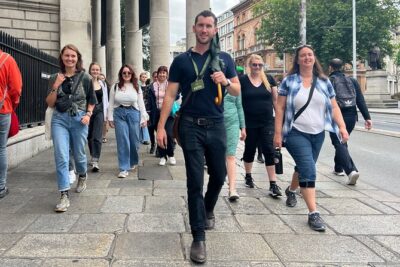 ★ 5.0Dublin Highlights and Hidden Gems Guided Walking TourFrom $296,020 reviews
 ★ 4.9Dublin: Highlights and Hidden Gems Walking TourFrom $272,140 reviews
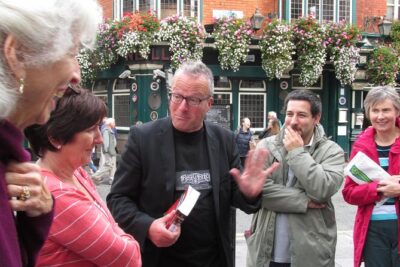 ★ 5.01916 Rebellion Walking TourFrom $271,605 reviews
 ★ 5.090 Minute Dublin Walking tour and Sightseeing tipsFrom $21916 reviews
 ★ 5.02-Hour Historical Walking Tour from DublinFrom $22875 reviews
 ★ 4.7Historical 2-Hour Guided Walking Tour of DublinFrom $22865 reviews
 ★ 5.0Dublin Traditional Irish 3 Course Meal Walking Tour with LocalFrom $107755 reviews
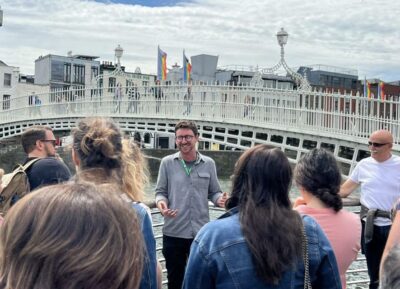 ★ 4.9Dublin: Mythology, Folklore and Legends Walking TourFrom $27703 reviews
Other lists this one is on