
REVIEW · DUBLIN
Vikings In Dublin (Walking Tour)
Vikings in Dublin sounds like a storybook, but it’s street-level. This walking tour takes you through the old urban fabric where Norse sailors helped shape Dubh Linn, Dublin’s Viking-era name, and it does it with a guide who explains the period clearly. I especially liked how the route starts at the Báite – Viking Longboat sculpture, so you begin with an immediate visual anchor instead of a lecture.
I also love the way the tour connects big landmarks to everyday life. You get a focused walk that includes Christ Church Cathedral and several other major sites, but the guide keeps circling back to customs, motives, and the real impact of the Viking presence on the city.
One possible drawback: the tour is in French, so if you do not speak French, you may miss some of the nuance. Also, it is a walking format, so plan for about 1.5 hours on city streets.
In This Review
- Key things I like about this Viking walking tour
- Walking with Vikings, from longboat to landmark city
- Starting at Báite – Viking Longboat: a visual way to begin
- The “secret stop” that keeps the story from feeling canned
- Christ Church Cathedral: a guided tour with Viking-era context
- Saint Audoen’s: seeing continuity in the city’s fabric
- Fishamble Street: from Viking-era trade to Dublin street life
- Dublin Castle: power, later on top of earlier layers
- Another guided moment at a quieter “hidden” stop
- Ending near Trinity College: your route closes on a modern landmark
- How good is the guide, really? Look for clear answers and nuance
- Price and value for $45 in 1.5 hours
- Who should book this tour
- Quick practical notes before you go
- Should you book Vikings in Dublin?
- FAQ
- How long is the Vikings in Dublin walking tour?
- How much does it cost?
- What is included in the tour?
- What stops are on the itinerary?
- Where does the tour start?
- Where does the tour end?
- What language is the live guide?
- Is the tour wheelchair accessible?
- What is the cancellation policy?
- Do I have to pay right away?
Key things I like about this Viking walking tour
- You start at Báite – Viking Longboat (1988) by Betty Newman Maguire, a strong way to orient yourself before you move into the story.
- Christ Church Cathedral gets used as a timeline marker, helping you see how Dublin’s Viking roots relate to later religious and civic power.
- You visit several landmark stops plus smaller “secret” and “hidden” guided moments, which adds variety without turning the tour into one long slideshow.
- The guide’s explanations are clear and concise, with questions handled in a relevant way and stories that keep the pace lively.
- You get a more nuanced view of Vikings than the usual cartoons, including how their motivations and society fit together.
More Irish history taken at walking pace
- Dublin EPIC Museum Admission Ticket★ 4.5 · 1,729 reviews
- Dublin Literary Pub Crawl★ 4.5 · 1,607 reviews
- 1916 Rebellion Walking Tour★ 5.0 · 1,605 reviews
- Dublin: EPIC Museum Entrance Ticket★ 4.6 · 816 reviews
Walking with Vikings, from longboat to landmark city

If you like history, but you like it on sidewalks more than in museums, this tour is a good match. You walk Dublin with a live guide from MP Tour Guiding, and the aim is simple: follow the steps of the Vikings and see how their presence left lasting traces in the capital.
The tour is priced at $45 per person for about 1.5 hours, and the value comes from the mix of stops. You are not just passing photos of famous buildings. You are getting guided context that links Viking life to the later city you can still walk through today.
And yes, the Viking part is more than costumes. The description emphasizes longships on the Liffey’s waters, the founding story tied to Dubh Linn, and how markets and city paths grew where settlement already existed. That theme matters, because it changes how you look at what you see.
Starting at Báite – Viking Longboat: a visual way to begin
The tour begins at Báite – Viking Longboat (1988) by Betty Newman Maguire. This matters more than it sounds. Before you even hit Christ Church Cathedral or the other sites, you get a real anchor point, a specific piece of art tied to the Viking theme.
From here, your guide sets the tone: Vikings were navigators, traders, and city builders. The tour frames Dublin as a place shaped by people arriving by water and then building routines on land. Standing at the longboat sculpture helps you picture that transition, longship to street, sea travel to everyday life.
Practical tip: arrive a few minutes early. That start point is your orientation, so give yourself time to gather with the group before the guide starts moving.
The “secret stop” that keeps the story from feeling canned
After the opening, you will reach a secret stop for a guided moment. The exact location is not spelled out, which is part of the point. It breaks up the route so you do not feel like you are just ticking off major sites.
What you can expect here is the guide connecting Viking-era presence to Dublin’s underlying layout and how the city grew over time. This is where the tour tends to feel more like street interpretation than sightseeing.
How to get the most out of this stop: listen for how your guide talks about daily life. The tour is not only about battles or raids. It tries to explain customs, motivations, and influence, and those themes show up best when you are standing somewhere that feels quieter than the headline monuments.
Christ Church Cathedral: a guided tour with Viking-era context

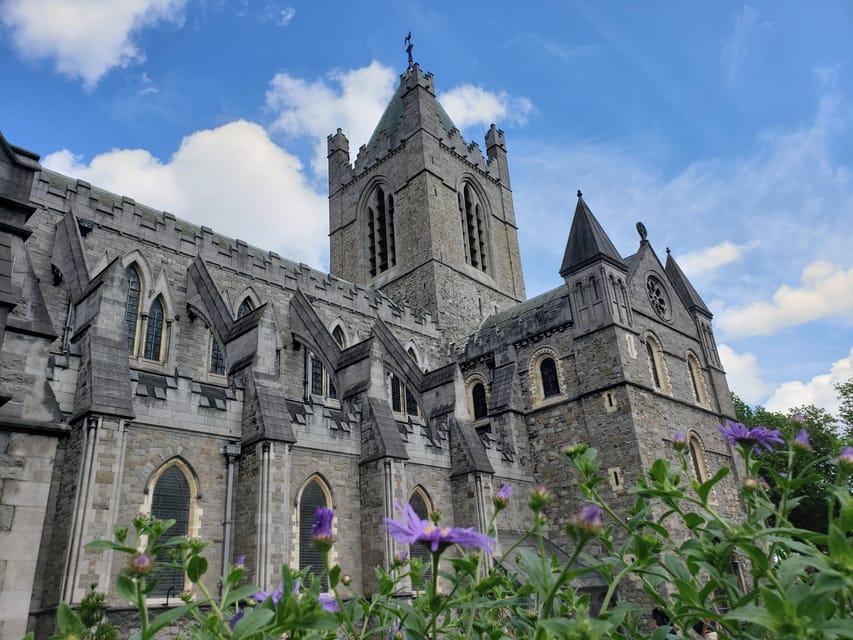
Next up is Christ Church Cathedral. The guide gives you a tour here, but the key is how it fits the Viking storyline. You are not visiting the cathedral as an isolated attraction. Instead, your guide uses it as a landmark to help you understand the city’s longer arc, from Viking-era foundations toward the medieval Christian and civic Dublin that followed.
This stop is valuable even if you are not a hardcore architecture person. Cathedrals pull you into scale and time. You start to see why a city built in layers eventually centers power and worship in certain places. And because your tour is specifically about Vikings in Dublin, the guide can point you toward what changed and what endured.
Possible drawback to plan for: cathedral interiors can be controlled spaces. Wear comfortable shoes and be ready for a bit of standing. Also, because the tour is French, you might want to come with a few simple questions ready. If you ask them, your guide is likely to answer in a relevant way, and that is one of the tour’s standout strengths.
Other Dublin walks with the wind behind you


Saint Audoen’s: seeing continuity in the city’s fabric
Then you head to Saint Audoen’s for another guided stop. This part of the tour supports the same theme: Dublin is not one era. It is overlapping periods, and the Viking impact sits in that overlap.
Even without getting lost in technical details, this stop helps you do something useful. It changes how you look at church landmarks. Instead of thinking, this is just a pretty building, you start to think in terms of how cities consolidate and how communities reorganize after major cultural shifts.
If you like tours where the guide ties places together with explanations, this is one of those sections. The tour is designed so each landmark is a stepping stone, not a separate chapter with no connection.
Fishamble Street: from Viking-era trade to Dublin street life
You will also visit Fishamble Street with guided information. Fishamble Street fits the tour’s Viking theme through the idea of markets and movement. The tour narrative specifically mentions how longships docked and how markets thrived along ancient paths.
So when you are on Fishamble Street, think of it as a practical window into city life. A street like this is where people meet, buy, sell, and move through daily routines. Even if you cannot see Vikings with your eyes here, the guide’s job is to help you connect the dots between settlement patterns and later city streets.
What to watch for as you walk: listen for how your guide frames commerce and community. Vikings were not only outsiders. They interacted with existing societies, and those interactions shaped urban life. That focus shows up when the guide talks about influences and customs rather than just naming places.
Dublin Castle: power, later on top of earlier layers
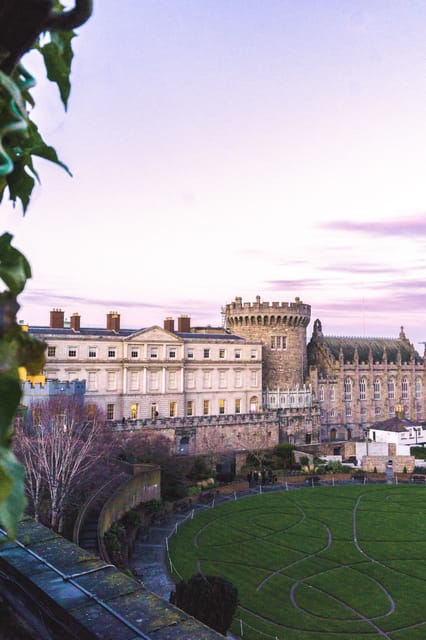
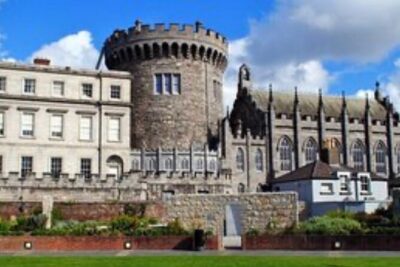
Next, you visit Dublin Castle. This stop is especially helpful if you want to understand how cities evolve from arrival and settlement into governance and administration.
The tour uses each major site as an anchor point, and Dublin Castle works well for that because it represents authority in a later period. For you, the value is in the comparison. You are walking a Viking-focused route, but you are also seeing how the city’s leadership and institutions came to be centered in specific spaces over time.
This is where the tour can make the Viking story feel less like a side quest. It helps you see that influence is not only about a short burst of activity. It is about longer-term effects on how a capital functions.
Another guided moment at a quieter “hidden” stop
After Dublin Castle, you reach another hidden guided stop. Again, the exact nature is not spelled out, but the intent is clear: break up the route with a smaller, more pointed moment tied to the tour’s theme.
These parts of the itinerary matter because they keep the tour from turning into a checklist of famous buildings. They also tend to be where a strong guide can land the story with color and clarity. Based on the overall feedback, your guide uses anecdotes and answers questions in a way that makes the period feel real, not just distant.
If you want to make this portion work for you, slow down mentally. Let the guide’s framing do the job. You are not just taking in a view. You are building a mental map of Dublin across time.
Ending near Trinity College: your route closes on a modern landmark
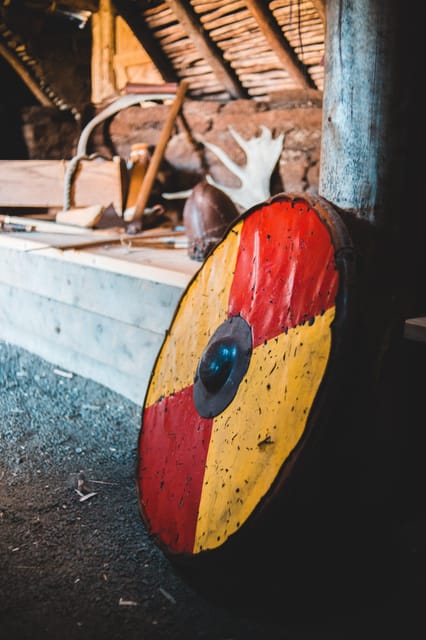
The tour finishes at Trinity College. Ending here makes sense for a practical reason: it is easy to keep exploring after the tour. You finish on a recognizable campus area, which helps you transition to the rest of your Dublin day.
Even if your main goal is Vikings, this ending point subtly reinforces the tour’s message. Dublin’s identity keeps layering. A Viking-era city becomes a medieval religious and civic capital, and later, it builds institutions that shape modern life.
One thing to confirm when you book: the activity info indicates that the tour ends back at the meeting point, but the itinerary lists a finish at Trinity College. If you need a precise pickup and drop-off plan, check your confirmation so you know exactly where you will end that day.
How good is the guide, really? Look for clear answers and nuance
The guide experience is one of the strongest parts of this tour. Multiple reviews highlight that the guide is a real goldmine for anyone interested in the Vikings in Dublin, with explanations that are clear and concise. The same feedback calls out a nuanced approach, not treating Vikings as simple barbarians.
That matters for you because it changes what you take home. You do not just learn facts. You learn how to interpret them. And the guide answers questions in a relevant way, with anecdotes that keep it lively.
There is also a practical human touch noted in feedback: the guide can adapt if a partner has a minor health problem. So if you have a need to move at a slightly easier pace, you are not necessarily stuck in a rigid tour script.
And the language piece is important. The tour is in French. If you speak French, you will likely get the full benefit of that Q and A style. If you do not, you might still enjoy the structure, but the best parts will be harder to catch.
Price and value for $45 in 1.5 hours
At $45 per person for about 1.5 hours, you are paying for two things: guided interpretation and multiple stops. You get landmark visits that include Christ Church Cathedral, Saint Audoen’s, Fishamble Street, and Dublin Castle, plus the added surprise of a secret stop and another guided hidden moment.
For me, that is the value formula. The route is short enough to fit into a busy Dublin schedule, but the guide work turns the walk into something more than window shopping. If you are the type who enjoys history when it is explained clearly on the street, you will feel like the time was used well.
If you want to save money and do it alone, you can. But you would lose the guided connections and the nuanced framing that reviewers consistently praise. For this particular theme, that guidance is the product.
Who should book this tour
This is a strong fit if:
- you want a Viking-focused walk that still includes major Dublin landmarks
- you like guides who explain motivations, customs, and impact, not just dates
- you prefer a small set of focused stops over a long bus tour
- you can comfortably follow French commentary
It may be a weaker fit if:
- you do not speak French and you need the explanations in your own language
- you dislike walking or standing for portions of a cathedral visit
Quick practical notes before you go
- Plan on comfortable walking shoes. City streets add up over 1.5 hours.
- Bring a light layer. Dublin weather can shift quickly even when the day starts calm.
- If you want to ask questions, do it. The guide’s Q and A is part of why this tour gets such strong feedback.
- Use the longboat start point to orient yourself. It helps you connect the story to real locations.
Should you book Vikings in Dublin?
Yes, if you want a short, guided walk that treats Vikings as a real part of Dublin’s story, not just a costume theme. The mix of major sites like Christ Church Cathedral and Dublin Castle, plus the surprise stops, is a good way to cover a lot of ground without dragging it out.
I would especially book it if you speak French or can handle French commentary, because the guide’s clarity and the way they answer questions are repeatedly called out as the standout strength. If French is a barrier for you, it may still be fun visually, but it will be harder to get the full value of the interpretation.
If you want, tell me your travel dates and whether you speak French. I can help you plan the best time window around the tour so you can keep the rest of your day easy.
FAQ
How long is the Vikings in Dublin walking tour?
The duration is listed as 1.5 hours. Starting times vary, so you need to check availability.
How much does it cost?
The price is $45 per person.
What is included in the tour?
You get a guided walking tour of Dublin’s most famous places related to Viking history, plus information about Viking life at this time and their influences.
What stops are on the itinerary?
It includes a start at the Viking longboat sculpture, a secret stop, guided tours at Christ Church Cathedral, Saint Audoen’s, Fishamble Street, Dublin Castle, another guided hidden stop, and it finishes at Trinity College.
Where does the tour start?
The tour starts at the Viking longboat sculpture, Báite – Viking Longboat (1988) by Betty Newman Maguire.
Where does the tour end?
The itinerary says it finishes at Trinity College, and the activity info also notes it ends back at the meeting point. Check your booking confirmation for the exact end point.
What language is the live guide?
The live tour guide is French.
Is the tour wheelchair accessible?
Yes, the tour is listed as wheelchair accessible.
What is the cancellation policy?
You can cancel up to 24 hours in advance for a full refund.
Do I have to pay right away?
You can reserve now and pay later, with no payment made today.
The Wider Dublin Pile
The Story, Told on Foot
Elsewhere on The Ireland Traveler
Lately added to the Dublin pile
- Waterford Crystal and Kilkenny Full-Day Rail Tour from Dublin
★ 5.0 · 3 reviews - Turtle Bunbury’s Dublin: A Self-Guided Audio Tour from a Celebrated Author
★ 5.0 · 3 reviews - Cliffs of Moher and The Burren Private Tour from Dublin
★ 5.0 · 3 reviews - Dublin Full-Day Tour through Boyne Valley
★ 5.0 · 3 reviews - Rock Of Cashel And Blarney Castle Private Chauffeur Full Day Sightseeing Tour
★ 4.5 · 3 reviews - Private Irish Fusion Meal in a Modern Home in Skerries, Dublin
★ 5.0 · 3 reviews
More Irish History and Heritage Walks, side by side.
 ★ 4.5Dublin EPIC Museum Admission TicketFrom $251,729 reviews
 ★ 4.5Dublin Literary Pub CrawlFrom $271,607 reviews
 ★ 5.01916 Rebellion Walking TourFrom $271,605 reviews
 ★ 4.6Dublin: EPIC Museum Entrance TicketFrom $24816 reviews
 ★ 4.8Dublin: Jeanie Johnston Tall Ship Irish Famine History TourFrom $16431 reviews
 ★ 4.5Irish Famine Museum / Exhibition DublinFrom $18247 reviews
 ★ 4.5The Queenstown Story @ Cobh Heritage Centre , Great Stories of Emigration.From $18181 reviews
 ★ 5.0Walking Tour of Dublin’s Viking/Medieval Quarter with a VikingFrom $36171 reviews
Other lists this one is on